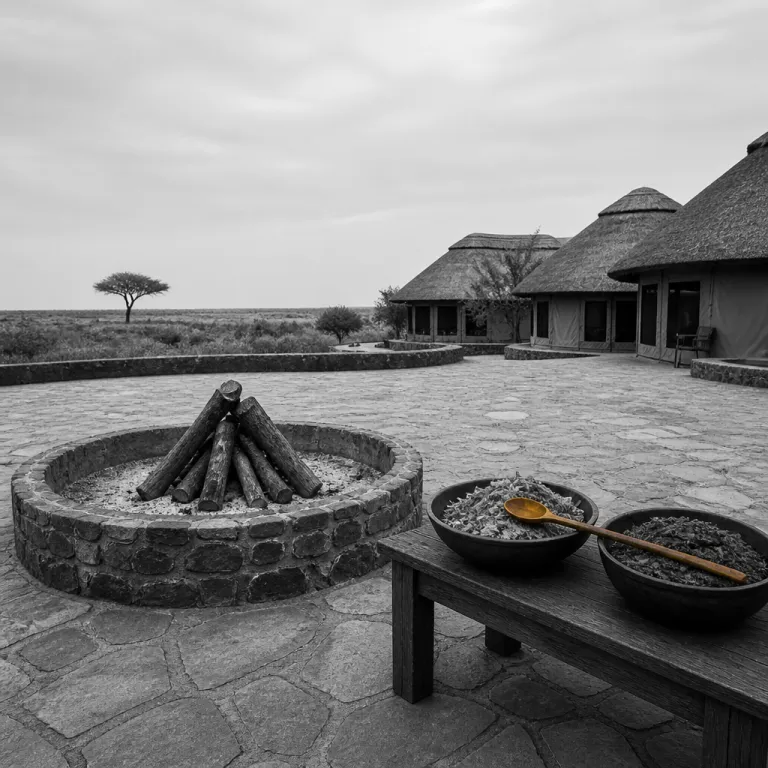
Planning a seswaa traditional Botswana food safari with family
Luxury travelers often arrive in Botswana focused on wildlife, yet a parallel journey through food can be just as memorable. A thoughtful seswaa-focused Botswana food safari lets your family taste the country as clearly as you see it from the game vehicle, weaving meat, maize meal and wild greens into the rhythm of each day. When you plan a premium stay, ask early how the property handles local dishes and whether children can be safely and comfortably served traditional flavours.
Across southern Africa, Botswana stands out for a calm, understated safari culture where the national dish quietly anchors daily life. Seswaa, a slow cooked meat stew of shredded beef or goat meat, is usually served with pap made from maize meal and a side of morogo, the leafy greens that Batswana people have simmered for generations. On a well run Botswana safari, this traditional dish can appear at lunch in camp, at a village homestead visit or during special occasions such as a naming ceremony hosted for guests.
Families booking premium lodges in the country should look for menus that balance international dishes with authentic cuisines from Botswana. Ask whether seswaa will be cooked over an open fire in a three legged iron pot, and if children can help stir the meat cooked slowly while staff explain how water cover levels change the texture. Properties that work with local farmers for beef, beans samp, sorghum porridge and seasonal vegetables usually show deeper respect for Botswana culture and create richer food memories between game drives.
Seswaa, morogo and pap around the three legged pot
In many luxury camps, the most honest taste of Botswana appears not at the linen dressed table, but beside the fire pit where a three legged pot rests on glowing coals. Here, seswaa is cooked low and slow, beef or goat meat simmering in just enough water to soften before it is pounded into fibres and finally served as a humble looking yet deeply savoury dish. As one camp cook in the Okavango explained to a guest, “Seswaa is Botswana's national dish, consisting of slow-cooked, pounded beef served over pap.”
Morogo, the wild or cultivated greens that accompany seswaa, is a cornerstone of Botswana culture and everyday nutrition. A Gaborone home cook once described it simply: “Morogo is a dish made from wild leafy greens, cooked with onions and tomatoes.” When your guide invites you to taste morogo with tomatoes onions and a spoonful of stiff pap or softer porridge, you are tasting the same food that fuels Batswana people at home, not a safari only performance.
Families often worry whether children will enjoy such traditional dishes, yet most young travelers respond well to the gentle flavours and comforting textures. Ask your camp chef to plate a small portion of meat stew, pap and morogo alongside more familiar fried bread or grilled chicken, so kids can experiment without pressure. For an atmospheric evening, choose a property that stages lantern lit dinners around the boma and leans into bush sundowners and lantern lit tables where dinner becomes theatre on safari, then request that one course celebrates seswaa and other traditional dishes from Botswana.
From fire pit to fine plate: how luxury camps handle Botswana food
Not every high end lodge in Botswana treats local food with the same respect, and this is where careful booking makes a difference. Some properties still default to anonymous continental dishes, while others treat a seswaa traditional Botswana food safari as a guiding idea, letting the legged pot and open fire shape the menu as much as the wine list. Wilderness Safaris camps in the Okavango Delta, for example, describe in guest briefings how they source beef, goat meat, morogo and beans samp from nearby farmers, then serve them in quietly elegant ways that still feel rooted in the country.
When you compare options, ask specific questions about how meat is cooked and presented. Do they prepare seswaa over an open fire with a three legged iron pot, or only in a modern kitchen where water cover and timing are controlled by timers rather than instinct. Are mopane worms offered as an optional tasting for curious adults, perhaps crisp fried and served with a maize meal porridge or sorghum porridge side, or are they absent from the culinary story of this part of Africa.
The most thoughtful chefs in cuisines from Botswana now balance restraint with authenticity, a philosophy explored in depth in the 2020 anthology “Botswana Traditional Food” published in Gaborone. They might send out a small bowl of meat stew enriched with tomatoes onions, followed by fried bread brushed with local honey, then a main course where seswaa is plated with pap and morogo but garnished lightly. For families, this approach keeps the food accessible while still honouring Botswana culture, and it turns each meal into a gentle journey through the country’s tastes.
Beyond the lodge: Gaborone, Serowe and real Setswana tables
A seswaa traditional Botswana food safari does not need to stay inside the reserve fence, especially for families who start or end their trip in Gaborone. The capital’s restaurants increasingly reimagine traditional dishes for international palates, pairing shredded beef seswaa with creamy maize meal, roasted vegetables and a glass of South African wine. Look for menus that mention morogo, beans samp, mopane worms or sorghum porridge, as these signal a kitchen engaging seriously with local food rather than offering only generic Africa themed plates.
In Serowe, local food events and seasonal fairs have become quiet reference points for chefs across the country. Stalls showcase pap and porridge in multiple forms, from soft breakfast bowls to firm slices served with meat stew, while Batswana people demonstrate how a three legged pot over an open fire can turn simple meat cooked with water and salt into something worthy of special occasions. For families, this kind of gathering offers a relaxed way to let children see how Botswana culture treats food as a communal celebration rather than a hotel amenity.
When planning your route between a Botswana safari in the Okavango or Chobe and the cities, consider adding a night specifically for eating. Choose a premium hotel that can arrange transfers to trusted local restaurants, or even a guided evening focused on cuisines from Botswana where you taste mopane worms, fried bread and goat meat stew in safe, well curated settings. Articles on Botswana’s new wellness geography, including a 2022 feature in a regional travel magazine, show how easily food, movement and landscape can be woven together into one journey.
Fire pits, family tables and how to brief your lodge
The heart of traditional cooking in Botswana is the fire pit, and that matters when you are choosing where to stay. As one village elder in the Central District put it, “The fire pit is central to traditional cooking, used for slow-cooking dishes like seswaa.” When a camp keeps this practice alive with a three legged pot and open fire, your seswaa traditional Botswana food safari gains a layer of authenticity that no plated garnish can match.
Before confirming a booking, write to the lodge and explain that you want your family to engage with Botswana culture through food. Ask whether children can safely sit near the legged pot while meat is cooked, whether they can help stir pap or porridge, and if staff from nearby villages will be present to talk about how dishes are served at home. Clarify any dietary needs, especially around beef, goat meat or mopane worms, so the kitchen can plan both traditional dishes and alternatives.
During your stay, treat each meal as part of the journey rather than a pause between drives. Encourage older children to ask about how water cover affects sorghum porridge texture, or why beans samp appears at special occasions alongside meat stew and fried bread. When you leave Botswana, the memories that linger may be less about the exact number of lions and more about the night your family shared pap, morogo and seswaa around the fire, listening to stories that belong to this country alone.
FAQ
What is seswaa and why is it important in Botswana
Seswaa is the national dish of Botswana, made by simmering beef or sometimes goat meat in water until tender, then pounding it into fine shreds. It is usually served with pap made from maize meal and a side of morogo, reflecting everyday Botswana culture as well as festive meals. Many luxury lodges now include seswaa in their menus so travelers can experience this traditional dish between game drives.
How is morogo prepared and what does it taste like
Morogo refers to leafy greens, often wild or semi cultivated, that are boiled or sautéed and then cooked with tomatoes onions and sometimes a little oil. The flavour is earthy and slightly bitter, balanced by the sweetness of the vegetables and the richness of any meat or stock used. On a Botswana safari, morogo is commonly served alongside pap, porridge or meat stew as part of a complete plate.
Can children enjoy traditional Botswana dishes on a luxury safari
Most children adapt well to traditional dishes when they are introduced gently and paired with familiar foods. Chefs in high end camps can serve small portions of seswaa, pap, morogo, beans samp or fried bread next to more recognisable items so young guests can taste without pressure. When you brief your lodge in advance, they can design a family friendly version of a seswaa traditional Botswana food safari.
Are mopane worms commonly served in luxury camps
Mopane worms, which are protein rich caterpillars eaten across southern Africa, are not universal on luxury menus but appear more often as interest in cuisines from Botswana grows. Some camps offer them as a tasting element, perhaps grilled or fried and served with maize meal porridge or sorghum porridge, while others omit them entirely. If you are curious, ask your lodge whether they can arrange a safe, well prepared tasting as part of your stay.
How can I make sure my lodge supports local food culture
When booking, ask whether the property sources beef, goat meat, morogo and beans samp from nearby farmers and whether Batswana people are involved in cooking. Enquire about the use of a three legged pot over an open fire, the presence of seswaa and other traditional dishes on the menu, and any links to local food events in places such as Serowe. Clear questions signal that you value Botswana culture, encouraging lodges to prioritise authentic food experiences.