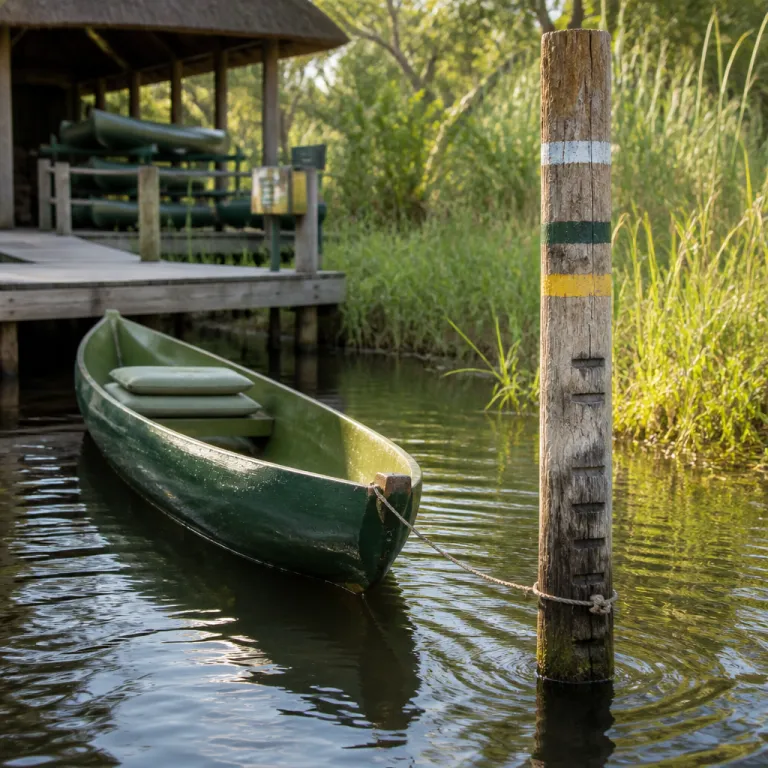
How the Okavango Delta breathes: water, flood cycle and luxury access
The Okavango Delta does not follow a normal African river rhythm. Floodwaters from Angola arrive in Botswana after local rains have ended, so the flood season peaks when the skies are clear and the air is cool. For a luxury Botswana safari, understanding this inverted flood cycle is the single best way to choose the right camps and the right time to visit.
Hydrologists track the journey from the Angolan Highlands using satellite monitoring, hydrological models and field observations, while lodge managers quietly read the same water levels on their airstrips and boat channels. Long-term studies by the Okavango Research Institute and Botswana’s Department of Water Affairs indicate that March usually marks the first push of water into the northern delta, July brings the peak flood across roughly 7 000 km² of floodplains, and by September the water sources shrink back towards a dry season footprint of about 500 km².1 This slow pulse dictates where mokoro excursions launch, where game drives can cross, and which luxury camps in the Okavango Delta are even reachable.
When you plan a trip to visit Okavango lodges, you are really planning around water, not dates on a calendar. The best time for deep channel mokoro safaris is typically May to August, when water levels are high but still navigable and the air is crisp. That same period can mean flooded roads in Moremi, fly in only access from Maun Airport, and a very different style of wildlife viewing as animals track the shifting edges of the flood.

Month by month: reading the delta’s water calendar for your safari
Think of this okavango delta water levels seasonal guide as a water calendar rather than a weather chart. Each month reshapes how you move, what you see and which luxury camps feel worth the splurge. The art is matching your preferred style of Botswana safari to the right season, not chasing a generic best time that ignores how the delta actually works.
From January to March, local rains create a lush green season, with short grass, dramatic skies and scattered water sources that can make game viewing more about patience than density. This is the time when Khwai and Gomoti channels start to show stronger water presence than in many previous years, and when some camps lean into slow safaris with longer game drives and photographic hides rather than long mokoro routes. March is also when the first pulse of the annual flood cycle begins to enter the northern Okavango, a subtle shift that lodge managers read in rising lagoon edges and newly flooded back channels.
By April and May, the delta is in transition, a classic shoulder season that rewards flexible travelers who value atmosphere over certainty. Water levels rise steadily, some sand tracks become shallow streams, and fly in transfers from Maun Airport become more reliable than long 4x4 hauls. A simple mental timeline helps: January–March green season, April–May rising waters, June–August peak flood and core mokoro season, September–October receding channels, November–December first storms and fresh grazing. This is also the moment to read in depth trip reports and pieces like our feature on moving from the delta to Tsodilo Hills via Botswana’s ultra trail, because your time to visit may combine high water in the Okavango with dry pans and rock art in other regions.
Peak flood, mokoro season and how 2026 changed the map
By June, the Okavango Delta usually feels fully flooded, and the classic mokoro season is in session. When the peak flood arrives, typically around July, the water can spread across thousands of square kilometres, turning islands into temporary refuges and some vehicle routes into quiet lagoons. For luxury travelers, this is when the choice of camps and their exact locations on the floodplain matters more than the brand name on the brochure.
In the most recent high water year, rainfall in the Angolan catchment exceeded 1 000 millimetres against an annual average of about 450 millimetres, according to regional hydrological summaries, and floodplains showed July style conditions as early as March.3 The 4 to 5 month lag between rains in the Angolan Highlands and the arrival of the main flood in Botswana meant that Moremi Game Reserve reopened with restrictions after extended inundation, some traditional game drive routes stayed inaccessible, and fly in access became the default for serious safaris. This pattern underpins the widely used guideline that the best time for mokoro excursions is May to August, during the consolidated peak flood window.
High water years reshape not only logistics but also the character of your Botswana safari, especially if you plan to visit Okavango camps in combination with Victoria Falls or South Africa. Wildlife viewing concentrates along the edges of the flood, where antelope, elephant and predators work the same narrow bands of dry ground, and game drives often skirt these margins for the best light and angles. Concrete examples include airstrips such as Xakanaxa or Chief’s Island strips, where access is monitored daily as channels rise and fall. If you are pairing the delta with cultural or desert extensions, pieces such as our deep dive on Tsodilo Hills and its 4 500 rock paintings help you read how a single trip can move from water to rock without losing narrative coherence.
Dry season clarity, green season drama and the shoulder season sweet spot
Once the peak flood begins to recede, usually from August into September, the Okavango Delta shifts into a more classic dry season safari pattern. Water sources contract, grasses bleach, and wildlife viewing becomes sharper as animals funnel towards remaining channels and lagoons. For many travelers, this is the perceived best time to visit, but the reality is more nuanced when you look at specific camps and their access to permanent water.
From September through October, game drives can cover more ground as tracks dry, while boat channels remain open in core water areas, giving you a dual perspective on the same wildlife. This is when some of the most exclusive camps in Botswana quietly shine, offering both long morning drives and late afternoon mokoro safaris along stable water levels that are no longer rising. The silence when the mokoro poler stops paddling and the delta listens is not a marketing line here; it is the defining luxury of a Botswana safari that still respects the flood cycle.
By November and December, the first local rains return, ushering in another green season with electric skies and newborn wildlife. This period can be exceptional for photography and value, especially in shoulder season rate structures that reward longer stays and flexible dates. If you are trying to understand what happens when the classic July peak sells out, our analysis of the peak season question explains why a so called off peak month can be the best time to visit for certain travelers.
Designing a luxury itinerary around water levels, access and wildlife
Planning a high end trip to visit Okavango camps is less about chasing a single perfect month and more about aligning water, access and your own travel rhythm. Fly in safaris from Maun Airport allow you to hop between deep water camps, mixed activity lodges and drier concessions in a single itinerary, reading the delta’s water calendar as you go. The most rewarding Botswana safari journeys often pair three distinct water profiles rather than three versions of the same experience.
One approach is to start in a deep water camp during the flood season, where mokoro excursions and boat safaris dominate and game viewing focuses on smaller wildlife, birds and the sheer theatre of the flood. From there, move to a mixed area like Khwai, where game drives, walking safaris and night drives track predators along the shrinking flood edges as the year advances. Finish in a drier private concession, where the emphasis shifts to big game, longer drives and the kind of wildlife viewing that benefits from open terrain and fewer water sources.
Another strategy is to read the delta in reverse, starting in the dry season when access is easiest and then returning in a later year for a green season immersion. This staggered approach mirrors how conservation teams and tourism operators work with local communities to adapt to variability in flood extent, upstream activities and climate change effects. For solo explorers who value independence, the key is to treat every time to visit as a deliberate choice in the okavango delta water levels seasonal guide, not a compromise forced by availability.
FAQ
Why does the Okavango Delta flood during the dry season?
The Okavango Delta floods during Botswana’s dry winter months because its main water comes from the Angolan Highlands, not local rain. Water falling in Angola takes four to five months to travel down the Okavango River and spread across the delta.3 By the time this flood arrives, local rains have ended, creating the famous inversion where the dry season coincides with rising water levels.
When is the best time for mokoro and boat safaris?
The most reliable mokoro and boat safaris usually run from May to August, when the annual flood has filled the main channels but winds are calm and temperatures are cool. In high water years, some areas may offer mokoro activities as early as April, while in lower years the peak flood can arrive slightly later. Always check with your chosen camps, because access to safe, navigable water depends on their exact position within the delta.
How do water levels affect wildlife viewing?
As the flood spreads, wildlife tends to concentrate along the edges where dry land meets new water sources, creating excellent game viewing from both vehicles and boats. During the highest water, some species move to islands and higher ground, which can make sightings more predictable around certain channels. When the water recedes towards the end of the dry season, animals funnel back to permanent pools, often increasing density near year round lagoons.
Is fly in access better than driving during the flood season?
During the main flood season, fly in access from Maun Airport is usually more reliable than driving, especially to remote luxury camps. Many traditional 4x4 routes become waterlogged or completely cut off, while airstrips remain usable thanks to careful siting on higher ground. In the drier months, a combination of road and air transfers can work well, but in peak flood most high end itineraries rely on light aircraft.
How should I combine the Okavango Delta with Victoria Falls or South Africa?
If you are pairing the Okavango Delta with Victoria Falls or South Africa, start by deciding which water mood you want in the delta. High flood months offer iconic mokoro scenes and island camps, while later dry season weeks deliver intense big game viewing that contrasts well with city or wine country stays further south. Many travelers choose to end with Victoria Falls, using the drama of the Zambezi as a final water chapter after the quieter, more intricate flood cycle of the Okavango.
References
- Okavango Research Institute, long-term flood extent monitoring summaries for the Okavango Delta.
- Botswana Department of Water Affairs, hydrological reports on seasonal inundation patterns in the Okavango system.
- Regional peer-reviewed hydrology studies on Angolan Highlands rainfall, discharge and 4–5 month lag to peak flood in Botswana.