Why san bushmen tracking in Botswana belongs at the heart of your itinerary
On a good Kalahari morning, the first thing you notice is the silence. Then a Ju/’hoansi tracker from the San communities kneels beside a faint crescent in the sand and the whole of Botswana suddenly feels written, not wild. For solo travelers used to vehicle safaris across southern Africa, this is the moment the bush stops being scenery and becomes text.
San tracking in Botswana is not a staged cultural add-on; it is the original operating system of this wilderness, refined by Indigenous hunter-gatherers over tens of thousands of years. Luxury camps and safari lodges in the Kalahari Desert now build entire walking programs around this San-guided experience, because without San trackers there is no safe, meaningful tracking. When you book a premium stay in southern Africa, the smartest move is to reserve at least one property where a Ju/’hoansi or other Kalahari San tracker leads you on foot and sets the pace.
The term San refers to a constellation of Indigenous peoples whose ancestral range spans Botswana, Namibia and South Africa, with archaeological and ethnographic evidence showing San communities have lived in this dry interior for millennia. Today, estimates from researchers working with groups such as the Kalahari Peoples Fund and the Nyae Nyae Development Foundation suggest that roughly ten thousand San people in Botswana still maintain elements of hunter-gatherer life, even as they partner with conservationists and anthropologists. One Ju/’hoansi tracker summarised it simply in a field interview: “The land teaches us, and now we help the land in return.” For travelers, that means your luxury camp can offer a tracking experience that is both deeply traditional and carefully integrated into modern conservation work.
What actually happens on a half day san tracking walk
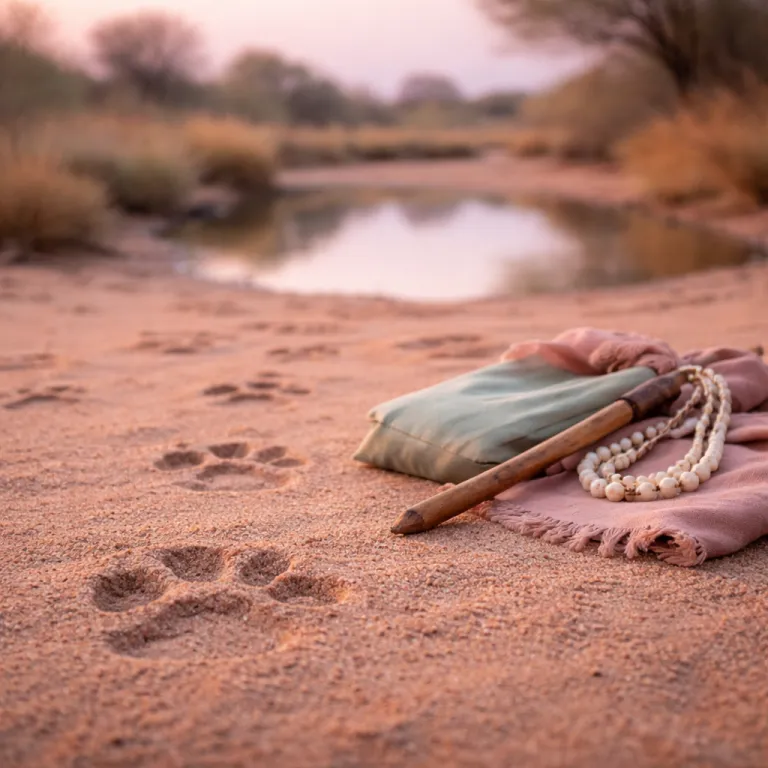
The best San tracking in Botswana starts slowly, often from camp just after dawn when the Kalahari air is still cool. Your Ju/’hoansi or other San guide walks ahead barefoot or in thin sandals, while you follow at an easy pace across the dry sandveld. At first you see only footprints; then the tracker begins to read the ground aloud and the wilderness sharpens into focus.
On a typical walk in the Kalahari Desert or near the fringes of the Okavango Delta, the San guide will pause at almost invisible signs. A scuffed patch shows where antelope turned sharply south, a bent grass stem reveals wind direction, and a faint drag mark suggests a porcupine passed in the night. This is where you learn in practice that “What is the significance of San tracking skills? They are crucial for survival and provide insights into animal behavior,” a point echoed in field projects documented by CyberTracker and other research initiatives that record expert trackers’ observations.
Over three or four hours, you will see how Kalahari San hunter-gatherers combine tracks, dung, bird alarm calls and scent into a continuous narrative. Some camps in Botswana and neighbouring Namibia now use CyberTracker software so San tracking teams can log wildlife data as they walk, turning ancient survival skills into modern conservation tools that feed into park management plans and biodiversity surveys. For you as a guest, the experience is less about getting close to big game and more about understanding how San communities move through Kalahari country with such quiet confidence.
Language, culture and the ethics of walking with san communities
Spend a morning with Ju/’hoansi San people and you quickly realise language is part of the tracking toolkit. Their click languages use distinct click consonants as full phonemes, so a short exchange beside a spoor can sound like percussion against the soft hush of southern Africa. Guides will sometimes offer to share simple words, but the real lesson is how language, gesture and silence combine while they work.
For luxury travelers, the ethical question is not whether to go, but how. The most responsible safari lodges in Botswana, Namibia and South Africa structure every San experience as community led, with San groups deciding what to share and how income flows back to their villages. In some Kalahari concessions, for example, San community trusts hold equity in the lodge and receive a fixed percentage of turnover, alongside salaries for trackers and guides. When you evaluate a property, ask directly how they partner with Indigenous peoples, whether they consult local trusts or community conservancies, and which San communities benefit financially from each tracking experience.
Some of the strongest models sit on the edges of the Makgadikgadi Pans and in private concessions near the Okavango River, where San trackers work as senior guides and cultural hosts. Here, documented San ecological knowledge shapes guiding standards, from how close you approach wildlife on foot to how you handle water in a dry year. As a guest, you are not watching a performance; you are being invited into a working relationship between San expertise and high-end conservation tourism in southern Africa.
Choosing the right luxury camp for san bushmen tracking in Botswana
Not every five-star camp in Botswana is set up for serious San-led tracking, so your booking choices matter. Focus on properties in or near the Kalahari Desert, the Makgadikgadi Pans or the drier fringes of the Okavango Delta, where San trackers still work in full-time guiding roles. These landscapes are dry for much of the year, which keeps tracks legible and the wilderness feeling raw yet accessible.
When comparing safari lodges, look beyond design and game density to the guiding structure. Ask whether the camp employs San people in permanent roles, how many San guides lead walks, and whether they hold decision-making authority on safety and route choice. A strong answer will reference long-term partnerships with Botswana San communities, transparent benefit-sharing agreements and clear commitments to training, language preservation and fair wages.
For solo travelers, smaller camps with fewer tents often provide the most intimate San tracking experience, because you may share a walk with only one or two other guests. Consider pairing a Kalahari or Makgadikgadi stay with a water-based lodge on the Okavango River, so you balance dry tracking days with mokoro time among papyrus. If you enjoy slow evenings, look for properties that extend this cultural thread into the night with bush dinners and stargazing, similar in spirit to the bush sundowners and lantern-lit tables described on this safari dining guide.
How to weave san tracking into a wider southern Africa itinerary
For many travelers, San tracking in Botswana becomes the quiet centre of a longer southern Africa journey. A practical pattern is to start with a classic vehicle safari in the Okavango Delta or along the Okavango River, then move south into the Kalahari Desert for a slower, more reflective stay. The contrast between wetland abundance and dry interior wilderness makes the San experience feel even more precise.
Plan your tracking walk as a half-day activity on a rest morning between game drives, rather than as a full-day march. You will walk several kilometres over soft sand, so even fit people appreciate returning to camp for a late lunch, a cool drink and perhaps a massage. This rhythm lets you absorb what you have learned about survival skills, plant uses and animal behaviour without rushing straight into the next activity.
If your route includes Namibia or South Africa, you can extend this cultural thread by visiting other San communities, while recognising that each group has its own history and protocols. Always engage with authorised guides, respect local customs and prepare properly for desert conditions, from sun protection to water intake. Done thoughtfully, a sequence of San-led encounters across Botswana, Namibia and South Africa will leave you with a layered understanding of Kalahari San life that no lodge library can match.
FAQ
What makes san bushmen tracking in Botswana different from a regular walking safari?
San bushmen tracking in Botswana is led by Indigenous hunter-gatherers whose families have lived in the Kalahari for generations. They read tracks, plants and animal behaviour with a level of detail most professional guides in southern Africa openly admire. Instead of focusing on big game encounters, the walk becomes a lesson in how San people move through the wilderness safely and sustainably.
Is a san bushmen tracking experience physically demanding for solo travelers?
A typical San tracking experience is designed as a gentle half-day walk, usually in the cooler hours of the morning. You will cover several kilometres over dry, sometimes soft sand, but the pace is slow with frequent stops to examine tracks and plants. Most healthy adults can participate comfortably, and luxury camps will adapt the route to your fitness level.
How can I be sure my visit benefits san communities fairly?
Before booking, ask your chosen camp how it partners with San communities and how income from each cultural experience is shared. Responsible safari lodges employ San trackers in permanent roles, support language and cultural programs, and involve local leaders in decision-making. If an operator cannot answer clearly, consider choosing another property in Botswana, Namibia or South Africa that demonstrates stronger commitments to Indigenous peoples.
Where in Botswana are the best areas for san led tracking walks?
The most rewarding San-led tracking walks usually take place in and around the Kalahari Desert, including private reserves near the Makgadikgadi Pans and some drier concessions on the fringes of the Okavango Delta. These regions offer ideal tracking conditions, with open terrain and sandy soils that hold clear spoor. Many high-end camps in these areas now integrate San bushmen tracking in Botswana as a core part of their activity program.
Can I combine san tracking with other luxury safari experiences in southern Africa?
It is straightforward to combine San bushmen tracking in Botswana with mokoro excursions in the Okavango Delta, big game drives in northern Botswana and even city stays in South Africa. Many travelers also add time in Namibia for desert landscapes and further cultural encounters with San groups. Working with a specialist who understands both luxury properties and San communities will help you build an itinerary that feels coherent rather than rushed.