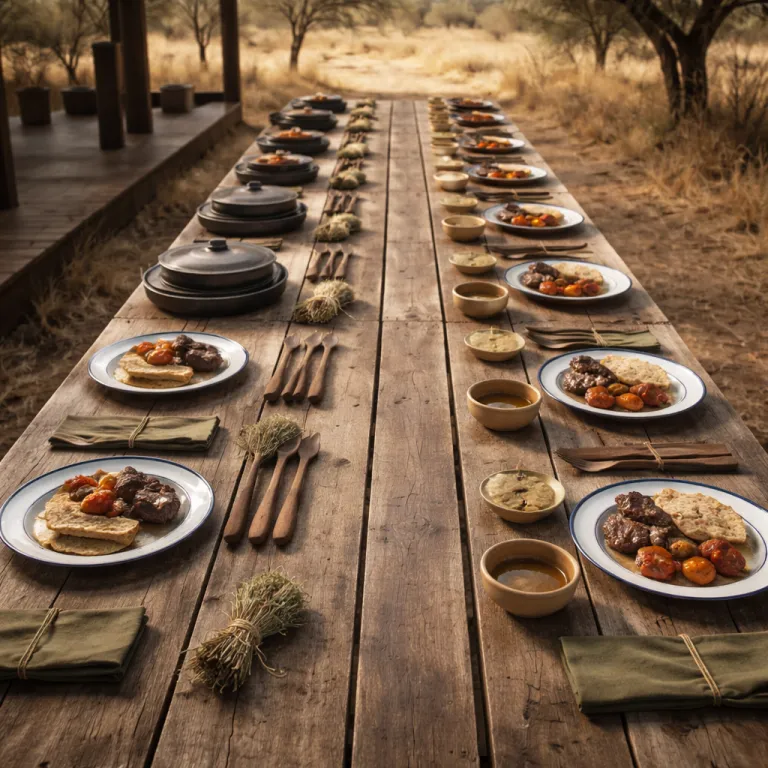
From maximalist bush banquets to disciplined plates
Botswana safari fine dining is no longer about theatrical excess. Across africa’s most coveted concessions, chefs are stripping plates back and letting the delta, the plains and the water write the menu. The result feels sharper, more confident, and far more aligned with what serious travelers now expect from a safari lodge.
For years, the default safari in botswana meant groaning buffets after long game drives. Those tables still exist in some lodges, but at properties like Xigera Safari Lodge and Sanctuary Chief's Camp the best meals are now composed, almost austere, and intensely of place. Ornament has become a tell of weak technique ; disciplined plates expose skill honestly and turn every course into a quiet conversation between chef, landscape and guest.
This shift mirrors what happened at the top end of London and Copenhagen dining rooms. Business leisure travelers who split their time between boardrooms and plains camp decks will recognise the move from maximalist tasting menus to focused, ingredient led cooking. On a botswana safari, that means fewer imported luxuries from south africa, more delta botswana produce, and a kitchen that understands the rhythm of the green season as intimately as it understands the balance of acid and smoke.
The context matters. Botswana sits at the heart of southern africa’s conservation story, with the okavango delta, chobe national Park and the great plains concessions forming one of the world’s most important wildlife corridors. When a safari lodge here talks about farm to table activities, it is not lifestyle marketing ; it is a statement about how game viewing, local agriculture and long term sustainability are braided together.
Fine dining experiences now unfold across the entire safari day. Morning game drives might end with a low table laid out on the plains, where a single slice of guinea fowl terrine and a still warm roll say more about the chef’s restraint than any ten dish buffet. Afternoon high tea becomes a study in texture and temperature, while evening dinners under the stars at camps like Duba Plains Camp turn the okavango night sky into the only ornament the plate really needs.
What disciplined bush cuisine looks like on the plate
Walk into the dining room at Xigera Safari Lodge and you feel the change immediately. Menus are shorter, descriptions are cleaner, and the relationship between plate and place is explicit in a way that older safari lodges rarely attempted. This is botswana safari fine dining that trusts its own terroir rather than hiding behind imported truffle shavings.
Executive Chef Ziyaad Brown’s cooking is a useful reference point here. His food is disciplined rather than ornamental, with seasonal menus that might feature one perfect okavango delta bream fillet, a single grilled green vegetable and a sauce built from wild harvested herbs. On another night, a small plate of slow cooked beef from a Maun area farmer arrives with just two accompaniments, forcing the technique to stand naked in the chobe evening light.
At Duba Plains Camp, the philosophy runs through the entire operation. The camp sits on an island in the delta botswana wetlands, where water levels dictate both game drives and supply chains, so the kitchen leans into what can be sourced consistently and ethically. Wild harvested ingredients and produce from small scale farmers replace air freighted luxuries, and vegan training across Great Plains kitchens, driven by the Jouberts' diet, ensures that plant based plates are as considered as any meat course.
Out on the plains, the same restraint applies. A bush breakfast after early game viewing in the okavango delta might be a single slice of smoked fish, a just baked roll and a sharply dressed salad leaf, eaten while elephants cross a distant channel of water. Sundowners, which you can explore in more depth through this guide to bush sundowners and lantern lit tables, are no longer excuses for overloaded canapés trays ; instead, one or two precise bites arrive between sips of a well chosen South African méthode cap classique.
This less is more approach also reshapes how lodges think about activities beyond the vehicle. Walking safaris, photographic tours and bird watching excursions now often include small, thoughtful food moments rather than full field buffets, which keeps the focus on the national park environment rather than on the table. For business travelers extending a stay after meetings in south africa or near victoria falls, this alignment between culinary restraint and conservation led game reserve ethics feels both familiar and reassuring.
The politics of the plate: sourcing, carbon and community
Behind every refined plate on a botswana safari menu sits a set of political choices. When a chef chooses a Maun grown tomato over an imported alternative, they are making a statement about carbon, community and what fine dining in africa should mean. The new generation of camps understands that the best time to talk sustainability is not in a brochure, but between courses.
Less ornament almost always means less imported product. Shorter menus and longer relationships with suppliers allow safari lodges to work closely with local farmers, conservation organisations and culinary experts, building a supply chain that respects both the okavango delta ecosystem and the people who live around park botswana boundaries. In practice, that might look like a plains camp committing to buy all its seasonal greens from a single cooperative, or a chobe based camp aligning its green season menus with what nearby growers can realistically produce during the low season.
The carbon arithmetic is straightforward. Flying in soft fruit from outside africa for a single dessert service makes little sense when the same sweetness can be coaxed from local ingredients that travelled less than 50 kilometres. At Duba Plains and other Great Plains properties, the shift towards wild harvested ingredients and small scale Maun area farmers has reduced freight while increasing the share of each guest’s spend that stays within botswana, which is a meaningful win for both conservation and community.
This sourcing discipline also changes the flavour of classic safari activities. A picnic in chobe national Park during the green season might feature one sharply seasoned salad, a slice of slow roasted local meat and a single, perfect piece of fruit, eaten while watching game move across the floodplain. The same philosophy carries into wellness focused stays, where retreats that pair guided game drives with spa time and light, plant forward menus are emerging as a quiet counterpoint to heavier, old school safari cuisine ; you can see how this plays out in the broader context of wellness retreats in Botswana.
For guests, the political subtext is subtle but legible. When you sit down to a plate that reflects the okavango delta’s seasons rather than a global luxury supply chain, you are participating in a different kind of travel economy. That is why the smartest diners now ask about supplier relationships and kitchen training programmes, and why guides increasingly talk about food ethics alongside game viewing conditions and the best time for low water mokoro excursions.
How to book for serious cuisine on a Botswana safari
For business leisure travelers, the most important booking question has changed. Instead of asking for a sample menu PDF, ask for the chef’s biography and a short note on how the kitchen sources its ingredients. That biography tells you almost everything you need to know about whether a property takes botswana safari fine dining seriously.
On mybotswanastay.com, we look for a few non negotiables when assessing lodges for food focused travelers. First, the presence of a named executive chef with a clear culinary philosophy, ideally someone like Ziyaad Brown who has committed to disciplined rather than ornamental cooking and to long term relationships with local suppliers. Second, evidence that the camp understands its own seasons, from the green season in the okavango delta to the low season in chobe, and adjusts menus to match what the land and water can offer.
Third, we pay attention to how food is integrated into core safari activities. Are game drives timed so that breakfast can be served hot on the plains without compromising game viewing, or are you rushed back to a buffet that could be anywhere in africa. Does the safari lodge offer thoughtful wine pairings that highlight both South African classics and emerging botswana producers, or is the list an afterthought. These details separate the best lodges from those still treating cuisine as a secondary amenity.
When comparing options in areas like botswana chobe or the okavango delta, use geography to your advantage. Camps closer to Maun or within well connected concessions often have stronger supply chains, which supports both fresher produce and more consistent vegan or vegetarian offerings. For those pairing a stay with time in south africa or a side trip to victoria falls, consider how each game reserve handles transfers and low season logistics, because a kitchen that manages its own operations well usually manages its sourcing with equal care.
Finally, remember that the most meaningful reviews rarely obsess over game counts. The real markers of excellence in botswana safari fine dining are quieter : the way a mokoro guide and a chef coordinate a riverside breakfast, the precision of a single plate served under a chobe moon, the integrity of a menu that changes with the flood. For a deeper look at how these kitchens think, read this analysis of the quiet cuisine and ingredients that walked in that morning before you book.
Key figures shaping Botswana’s culinary safari scene
- The Botswana Tourism Organisation reports around 50 luxury lodges across the country, which means a relatively low lodge density compared with other parts of africa and allows kitchens to focus on quality over volume.
- Dry months from May to October are widely regarded as the best time to visit Botswana for a safari, because the lack of rain concentrates game viewing around remaining water sources and simplifies supply logistics for remote camps.
- Morning game drives with breakfast, afternoon high tea and evening dinners under the stars have become the standard daily rhythm at top end lodges, creating three distinct culinary touchpoints for each guest night.
- Most luxury properties in botswana now accommodate a wide range of dietary restrictions with prior notice, a shift driven partly by increased vegan training across Great Plains kitchens and rising global expectations among business travelers.
- Rising demand for culinary tourism and a stronger focus on sustainability have pushed more lodges to adopt farm to table methods and seasonal menus, which in turn increases the share of guest spend that reaches local farmers and communities.