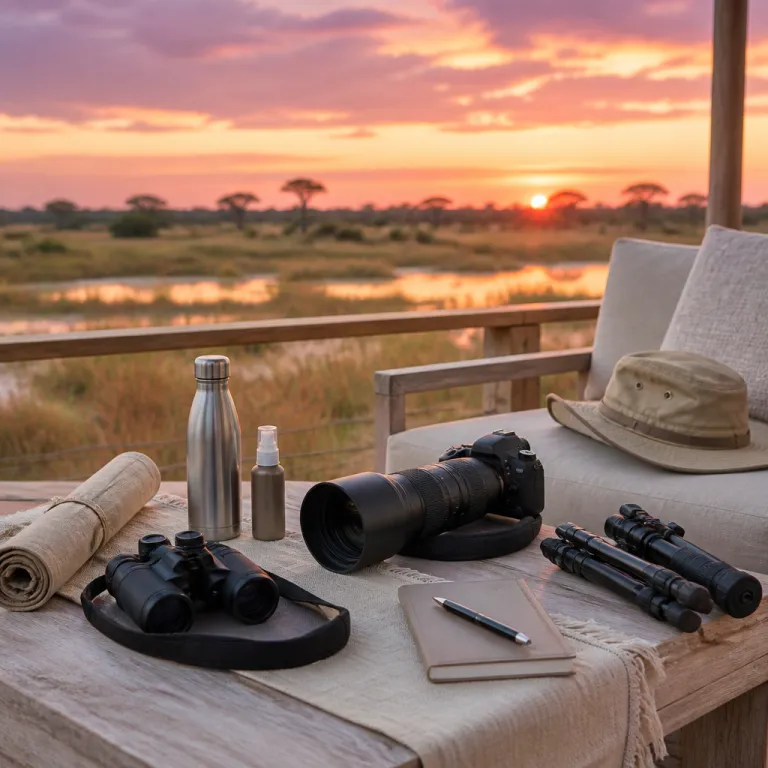
Understanding the Botswana safari best time to go for luxury lodges
Choosing the Botswana safari best time to go shapes every detail of a high-end stay. Across the country, the dry season from May to October is widely regarded as the prime window for a luxury safari because wildlife concentrates around permanent water sources and visibility is excellent. When you plan the time to visit Botswana for top-tier lodges, you balance game viewing, comfort, and how many other guests share each sighting.
During the dry months, skies are clear, humidity is low, and nights are pleasantly cool. In this period, luxury safari Botswana properties in the Okavango Delta, Chobe, and the Central Kalahari Game Reserve can operate extensive game drives because tracks remain firm and river levels are predictable. Many travellers consider this the best time of year to combine a Botswana safari with Victoria Falls, since flight schedules and road transfers are reliable and water levels at the falls are still impressive.
The wet season, often called the green season, runs roughly from November to April and transforms the landscape. Rainfall fills pans and water channels, turning the delta and every national park into a lush, photogenic setting with dramatic skies and fewer vehicles on game drives. If you are visiting Botswana in this time of year, luxury lodges often offer attractive rates, longer stays, and more flexible safari activities tailored to serious wildlife viewing and photography.
Dry season versus green season in the Okavango Delta and Chobe
In the Okavango Delta, the dry season paradoxically brings the highest floodwaters from distant Angolan rains. From about June to August, floodplains brim with water and water-based safaris by mokoro canoe and boat complement classic game drives, giving guests at luxury lodges a layered view of wildlife. Many travellers consider this the best time to visit the Okavango Delta because game viewing concentrates along the edges of the water and predators patrol the floodplains.
During the green season, usually from November into the early months of the year, the Okavango Delta becomes a mosaic of fresh grass and shallow water. Wildlife viewing remains strong, but the focus shifts from dense game viewing to observing newborn animals, migratory birds, and dramatic afternoon storms. For guests choosing a premium safari Botswana lodge, this season offers quieter camps, softer light for photography, and a more intimate sense of the ecosystem breathing after the long dry season.
Chobe National Park, especially the Chobe riverfront, is world renowned for elephants and is a key region when assessing the Botswana safari best time to go. In the late dry season around September and October, immense herds gather at the river, and luxury lodges use both boat safaris and 4x4 game drives to follow the daily movements between water and inland feeding areas. When the first rains arrive in November, the green season spreads animals across the wider Chobe national area, but high-end properties respond with more exploratory drives and flexible schedules that still deliver exceptional wildlife viewing. For travellers interested in wellness-focused stays in the delta, properties such as those featured in the guide to Atzaró in the Okavango Delta show how luxury design and seasonal planning work together.
How seasons shape luxury safari lodge experiences and pricing
For premium travellers, the question is not only the Botswana safari best time to go, but also how each season shapes the style of stay. In peak dry season, from roughly July to October, luxury lodges in Botswana often operate at or near full capacity, with higher nightly rates that reflect demand, optimal game viewing, and the cost of remote logistics. Guests benefit from finely tuned schedules of morning and afternoon game drives, polished service, and a social atmosphere in camp lounges and fire pits.
During the shoulder months at the start and end of the dry season, such as May and early November, you often find a compelling balance between price and experience. Wildlife viewing is already strong, temperatures are moderate, and some high-end properties in the Okavango Delta, Chobe, and the Central Kalahari Game Reserve offer value-added packages that include flights or private game drives. For travellers who want to visit Botswana without the busiest crowds, these months can be the best time to secure a luxury suite or private villa with more flexible cancellation terms.
In the green season, many luxury safari Botswana lodges adjust their pricing and programming to reflect the wetter conditions. Rates can be significantly lower, yet the quality of guiding, cuisine, and accommodation remains at the same premium level described in curated overviews such as the feature on Botswana's luxury lodges and African adventures. This time of year is particularly appealing for photographers, repeat visitors, and guests who value tranquillity, longer stays, and the chance to see wildlife behaviour that is rarely visible in the dry season.
Regional nuances: Okavango Delta, Chobe, Central Kalahari, and beyond
When you evaluate the Botswana safari best time to go, it is essential to consider each region separately. The Okavango Delta, with its complex network of channels and islands, responds to both local rains and distant water, so water levels and access to certain lodges can vary by month. High-end properties work closely with local guides and pilots to adjust flight routes, boat transfers, and game drives so that guests always reach the best wildlife viewing areas.
Chobe National Park and the adjacent Chobe national forest are more predictable in their seasonal patterns. In the late dry season, game viewing along the Chobe River is intense, with elephants, buffalo, and predators congregating at the remaining water sources, which makes this period a strong candidate for the best time to visit Botswana if you prioritise density of wildlife. During the green season, animals disperse into the interior, but luxury lodges respond with longer exploratory drives, birding-focused safaris, and occasional full-day excursions that reveal a more nuanced picture of the ecosystem.
The Central Kalahari Game Reserve offers a contrasting experience that can influence your decision about the time to visit. In the wet season, the Kalahari’s pans fill with water and fresh grass, drawing large herds of springbok and oryx, followed by cheetah and lion, which makes these months excellent for dramatic predator sightings. By comparison, the dry season in this region highlights the stark beauty of the desert, cooler night temperatures, and clear skies that luxury camps use for star-focused experiences, private dinners under the Milky Way, and extended storytelling sessions with local guides.
Practical planning: temperatures, logistics, and combining regions
From a practical perspective, the Botswana safari best time to go depends on how you handle temperatures and travel logistics. In the peak dry season, daytime temperatures are warm but not oppressive, while nights and early mornings can be cold, especially in open vehicles during game drives. Luxury lodges respond with hot water bottles, blankets, and carefully timed coffee stops, ensuring that comfort remains high even when the air is crisp.
By October, just before the first rains, temperatures in Botswana can rise sharply, particularly in Chobe and the Central Kalahari. This month still offers some of the best game viewing of the time year, because wildlife is tightly focused around water sources, but guests who are sensitive to heat should choose lodges with air-conditioned suites, shaded plunge pools, and flexible activity times. When the rains arrive in November, the green season begins, and while humidity increases, the landscape softens, dust settles, and many travellers appreciate the quieter airstrips and more relaxed transfer schedules.
Logistically, visiting Botswana often involves flying through Maun or Kasane and then connecting by light aircraft to remote airstrips. The dry season generally offers the smoothest operations, but modern aircraft and experienced pilots operate year-round, and luxury lodges coordinate closely with partners and the Botswana Tourism Organization to maintain safety and reliability. Many guests choose to combine a Botswana safari with Victoria Falls in either direction, timing their month of travel so that water levels at the falls and wildlife viewing in Botswana both align with their preferences.
Choosing and booking luxury safari lodges with seasonal insight
For travellers using a luxury and premium hotel booking website focused on Botswana, understanding the Botswana safari best time to go is the foundation of a successful itinerary. High-end platforms curate lodges in the Okavango Delta, Chobe, the Central Kalahari Game Reserve, and private concessions, then layer in seasonal data about wildlife viewing, water levels, and temperatures. This allows you to filter options not only by design and price, but also by the specific month and season that best matches your expectations.
When you plan to visit Botswana, consider how many nights you want in each ecosystem and how the dry season or green season will influence your daily rhythm. In the dry season, you might favour camps with strong reputations for big game drives and boat safaris, while in the wet season you may prioritise properties with excellent guiding for birds, photography, and walking safaris. A well-designed booking platform will highlight whether a lodge focuses on water-based activities in the Okavango Delta, vehicle-based game drives in Chobe National Park, or a blend of both, so you can align your time to visit with your preferred style of safari.
Responsible luxury travel also means supporting conservation and local communities, and Botswana excels here, with around forty percent of its land under some form of protection. Many of the finest safari Botswana lodges operate in partnership with local game reserves and community trusts, using eco-friendly design and low-impact operations that match the country’s emphasis on sustainable tourism. As the Botswana Tourism Organization notes in its guidance, "May to October during the dry season." is widely recognised as the answer to the question "What is the best time to visit Botswana for a safari?", and aligning your booking with this insight ensures that your investment in a premium lodge yields the richest possible experience. For travellers considering wider regional journeys, curated guides to elegant coastal escapes in Mozambique can help you extend your itinerary from inland delta waters to the Indian Ocean.
Key statistics for planning a luxury Botswana safari
- According to the Botswana Tourism Organization and recent UNWTO regional reporting, Botswana welcomes several hundred thousand international tourist arrivals per year, underscoring the country’s status as a leading high-end safari destination in Southern Africa.[1]
- Approximately 40 percent of Botswana’s land is under some form of protection, according to the Botswana Ministry of Environment and Tourism, which means that a large share of luxury lodges operate inside or adjacent to national parks, game reserves, and private concessions.[2]
- The main safari season is typically divided into a dry season from May to October and a wet season from November to April, giving travellers two distinct sets of conditions to choose from when deciding the best time of year to visit.[3]
- Core safari regions such as the Okavango Delta, Chobe National Park, and the Central Kalahari Game Reserve collectively host a significant proportion of the country’s premium lodges, concentrating high-end experiences in areas with exceptional wildlife viewing.
FAQ about the Botswana safari best time to go
What is the best time to visit Botswana for a safari ?
The most reliable period for a Botswana safari is the dry season from May to October, when vegetation is sparse, water sources are limited, and wildlife concentrates around rivers and pans. This is generally considered the best time to visit Botswana for first-time visitors who prioritise dense game viewing and comfortable daytime temperatures. Luxury lodges often book out early for these months, so advance planning is essential.
Are safaris in Botswana safe for luxury travellers ?
Safaris in Botswana are considered safe when operated by reputable lodges and experienced guides who follow strict protocols. Vehicles are maintained to high standards, guides are trained to manage wildlife encounters, and camps are designed to keep guests secure while still feeling close to nature. Premium booking platforms typically work only with vetted partners, adding an extra layer of assurance for travellers.
What wildlife can I expect to see during the dry season ?
During the dry season, guests commonly see elephants, lions, leopards, buffalo, giraffe, and a wide range of antelope, along with predators such as cheetah and hyena. In the Okavango Delta and Chobe, concentrations of elephants and buffalo can be particularly impressive as they gather at permanent water sources. Birdlife is strong year-round, but the clear skies and open landscapes of the dry season make sightings easier and photography more straightforward.
Is the green season worth considering for a luxury safari ?
The green season from November to April is an excellent option for travellers who value quieter camps, lower rates, and dramatic landscapes. Wildlife viewing remains rewarding, with the added attraction of newborn animals, migratory birds, and striking storm light for photography. Many luxury lodges tailor their activities to these conditions, offering more flexible schedules and longer stays that appeal to experienced safari guests.
How far in advance should I book a luxury lodge in Botswana ?
For peak dry season dates, it is often wise to book around nine to twelve months in advance, especially for small high-end camps in the Okavango Delta and private concessions. Shoulder season and green season dates can sometimes be secured closer to departure, but premium suites and exclusive-use villas still fill quickly. Using a specialised luxury booking website focused on Botswana helps you access real-time availability and curated recommendations across multiple regions.
References
- Botswana Tourism Organization
- Botswana Ministry of Environment and Tourism
- UNESCO World Heritage Centre (Okavango Delta listing)