Why Mashatu’s ground level hide belongs on a luxury safari short list
At Mashatu Game Reserve in eastern Botswana, the ground level photography hide turns a classic safari into something far more intimate. This is not just another wildlife activity; it is a carefully engineered photographic experience that changes how you see animals, light, and the quiet choreography of a waterhole. For solo explorers comparing premium lodges across Africa, the Mashatu photography hide in Botswana often becomes the deciding factor between a good trip and a transformative one.
Mashatu sits in the Northern Tuli Game Reserve, close to the Pont Drift border with South Africa, where sandstone ridges, open plains, and riverine forest create a very different canvas from the Okavango Delta. Here the Mashatu game landscape is drier, the light harder, and the elephants more numerous, which means the same wildlife photography skills you honed elsewhere in Africa will be tested in new ways. When you book a lodge or camp in this reserve, ask explicitly how many hide sessions are available, whether the underground hide is included in your rate, and how the schedule fits around game drives.
The Matebole Hide, managed by PhotoMashatu in partnership with C4 Photo Safaris, is the flagship underground hide at Mashatu and it is purpose built for photographers. This hide is sunk below the earth at ground level beside a busy waterhole, so your lens meets the eyes of elephants, antelope, and birds as they drink. PhotoMashatu notes that the hide typically accommodates around six photographers at a time, and for travelers using a luxury hotel booking website focused on Botswana, the key is to filter for camps that offer access to these photographic hides, then cross check availability with your preferred travel dates before you commit to a non refundable rate.
From vehicle to hide: how the perspective shift changes your images
Traditional game drives in Mashatu Game Reserve still matter, because a vehicle lets you cover distance, track predators, and feel the scale of this corner of Africa. Yet the Mashatu photography hide in Botswana offers something a game drive never can: it trades motion for patience, and height for ground level proximity. When you step down into the hide, you leave the rhythm of the vehicle behind and enter a quiet, almost meditative space where the wildlife comes to you.
On a typical day you might start with an early bird game drive from your lodge, scanning for lions or cheetahs before the heat builds. Later, a guide will transfer you by vehicle to the Matebole Hide for a dedicated hide session, timed for the soft light that flatters both animals and landscape. Many guests spend three to four hours in the hide, often from mid morning into early afternoon, and the best luxury camps in this reserve understand that guests want both, so they design flexible schedules where game drives, hide time, and slow hours back at camp flow together rather than compete.
Compared with a raised vehicle, the underground hide places your camera at eye level with elephants, kudu, and even smaller animals that approach cautiously. This shift in angle changes everything about your wildlife photography, from the way dust catches the light to how reflections form in the waterhole. As one PhotoMashatu guide likes to say, “From the hide, you are no longer looking at elephants; you are sharing the same horizon.” If you are planning a broader circuit of luxury lodges in Botswana, including properties known for classic vehicle based adventures, you can use resources such as this guide to African adventures and the greatest safari on earth in Botswana’s luxury lodges to balance your itinerary between movement and stillness.
Inside Matebole Hide: design, light, and the waiting game
The Matebole Hide was among the earlier underground photographic hides developed in Botswana, and its recent enhancements have refined both comfort and photographic opportunities. A redesigned entrance now allows guests to slip into the hide quietly, while the structure itself remains almost invisible at ground level beside the waterhole. Inside, the space is cool, dim, and lined with padded seating so you can hold a lens steady for long periods without fatigue.
PhotoMashatu recommends bringing a mix of focal lengths, from wide angle glass for environmental portraits to mid range and longer telephoto lenses for tight animal studies, because the distance between the hide and the wildlife shifts constantly as elephants and antelope move in and out. Their official guidance highlights that a versatile kit covering wide angle, mid range telephoto, and long telephoto perspectives works best. That simple equipment list, combined with the region’s predominantly dry climate and high number of clear days, means your photo safari here is unlikely to be cancelled for weather and your hide session is more likely to deliver usable images.
From this ground level vantage point, you frame not only the animals but also the textures of cracked mud, the ripple of water, and the low horizon that anchors each photo. The Mashatu photography hide in Botswana is particularly rewarding in the dry months, when elephants dominate the waterhole and dust hangs in the air like a filter. During peak dry season it is not unusual to see several different elephant herds visit the waterhole in a single session. If you are pairing Mashatu with a water based property in the Okavango Delta, such as a wellness focused camp where mokoro excursions set the tone, you can read about how a Balearic wellness brand meets the Okavango for a sense of how contrasting landscapes shape your overall safari experience.
Beyond Matebole: sleep outs, cross border access, and lodge choices
Mashatu’s photographic hides now extend beyond Matebole, with the Lala Limpopo overnight hide offering a different kind of immersion along the river. Here, guests can spend a night in a structured sleep out, listening to animals move in the dark while still enjoying the safety standards expected from a premium camp. The Lala Limpopo hide is usually limited to small hosted groups, often four to six guests, and for solo travelers this overnight hide option turns a standard safari into a more personal experience, where the line between lodge comfort and wild Africa blurs in a controlled, carefully guided way.
Access to Mashatu is straightforward from South Africa, with many guests using a road transfer from Johannesburg to the Pont Drift border, then continuing into Botswana for the final leg to camp. This cross border route appeals to travelers who want to combine Mashatu with properties in the Greater Kruger area, such as Kings Camp or other high end lodges, creating a multi stop journey that links different ecosystems. When planning through a luxury hotel booking platform, look for packages that integrate both the Mashatu Game Reserve stay and your South African lodge, so transfers, border timings, and game activities align smoothly.
Within Mashatu itself, you can choose between several camps and lodges, each with its own character and proximity to the photographic hides. Some smaller camps feel almost like private homes, while larger lodges offer more facilities and social spaces for solo guests who enjoy conversation after a long game drive. Whatever your preference, confirm that your chosen property works closely with PhotoMashatu or C4 Photo Safaris, because that partnership is what secures priority access to the most productive hides and ensures your wildlife photography ambitions are taken seriously.
How to book Mashatu’s hides smartly on a luxury platform
Booking the Mashatu photography hide in Botswana is not something to leave until you arrive at camp, especially if your travel dates fall in peak safari season. The most sought after hide sessions, particularly at Matebole Hide and the Lala Limpopo sleep out, are often reserved months in advance by keen photographers. PhotoMashatu and Mashatu’s own reservations teams frequently advise guests to secure key sessions at least three to six months ahead. When you use a premium hotel booking website, treat hide access as a core inclusion rather than a nice extra, and ask your consultant to secure specific dates and times in writing.
Start by selecting a lodge or camp within Mashatu Game Reserve that explicitly lists photographic hides among its activities, then check whether the rate includes at least one dedicated hide session per stay. If you are planning a longer itinerary that includes romantic luxury hotels elsewhere in Botswana, you can consult this elegant guide to premium stays for couples and then layer Mashatu on top as the more adventurous, photography led chapter. Solo explorers often benefit from shoulder season pricing, but even then, early bird planning for hide slots will give you more flexibility to choose the best light and avoid clashes with longer game drives.
During the booking process, clarify logistics such as the timing of road transfers from Pont Drift, how many guests typically share the hide, and whether a specialist photographic guide will accompany you. Ask about practical details too, from charging points for camera batteries at camp to how the lodge handles dietary preferences during long sessions in the hide. A good operator will respond with specifics rather than vague assurances, and that level of detail is usually a reliable indicator that your time at Mashatu’s ground level waterhole hide will live up to its reputation.
FAQ
What is the Matebole Hide at Mashatu ?
The Matebole Hide at Mashatu is an underground structure built beside a busy waterhole, designed specifically for ground level wildlife photography. Guests enter via a discreet entrance and sit with their lenses at eye level with elephants, antelope, and birds as they come to drink. This setup allows photographers to capture intimate images without disturbing natural animal behaviour.
How does a hide session differ from a normal game drive ?
On a game drive, you move through the reserve in a vehicle, covering large areas to track predators and varied wildlife. In a hide session, you remain stationary at the waterhole, letting animals approach while you wait quietly inside the underground hide. The result is fewer species in a single outing but far closer encounters and more controlled photographic conditions.
When is the best time of year to use the Mashatu hides ?
The hides at Mashatu operate year round, but the dry months usually offer the most reliable wildlife concentrations at the waterholes. During these periods, elephants and other animals depend more heavily on permanent water sources, increasing activity in front of the hide. The region’s generally clear weather also means fewer cancellations and more consistent light for photography.
What camera equipment should I bring for Mashatu’s photographic hides ?
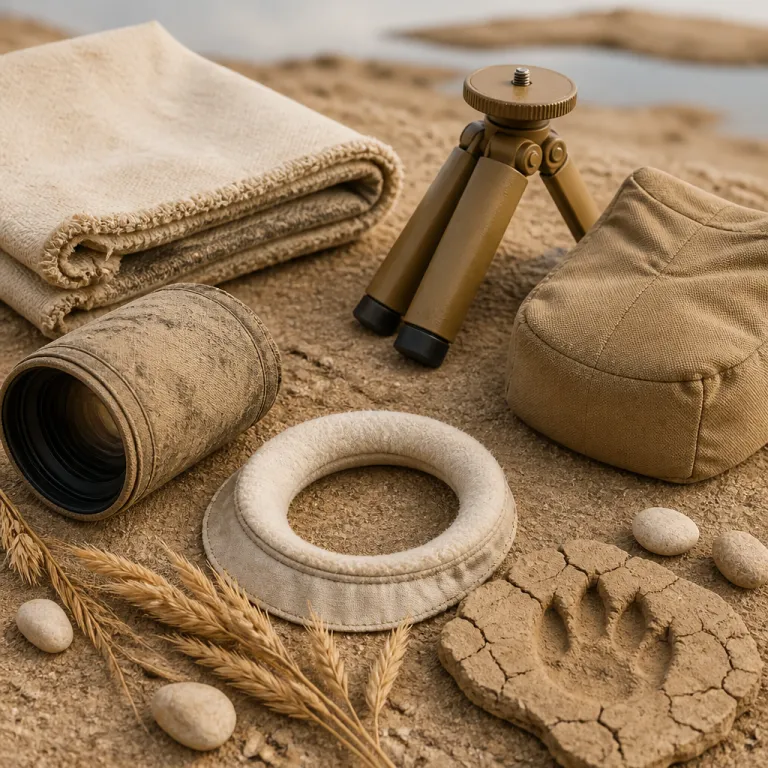
For Mashatu’s underground hides, a combination of wide angle, mid range telephoto, and long telephoto lenses works best, allowing you to adapt as animals move closer or further from the waterhole. A sturdy but compact tripod or beanbag helps stabilise your camera at ground level, especially during long sessions. Extra batteries and memory cards are essential, as you may shoot intensively when wildlife activity peaks.
Do I need to be an expert photographer to enjoy the Mashatu hides ?
You do not need to be a professional to benefit from Mashatu’s photographic hides, because guides and on site teams are used to helping guests at all levels. Even with basic equipment, the ground level perspective and proximity to animals can produce striking images. More experienced photographers will simply have greater control over settings and composition, but the core experience remains powerful for any guest.