Why walking safaris in Botswana reset an overworked mind
Step off the vehicle and a walking safari in Botswana changes scale. Over three unhurried hours on foot, the bush shifts from backdrop to finely textured Africa, and the smallest details begin to matter again. For business leisure travelers who have lived on screen light all week, this kind of safari experience is less about big game counts and more about how attention recalibrates when every walk demands presence.
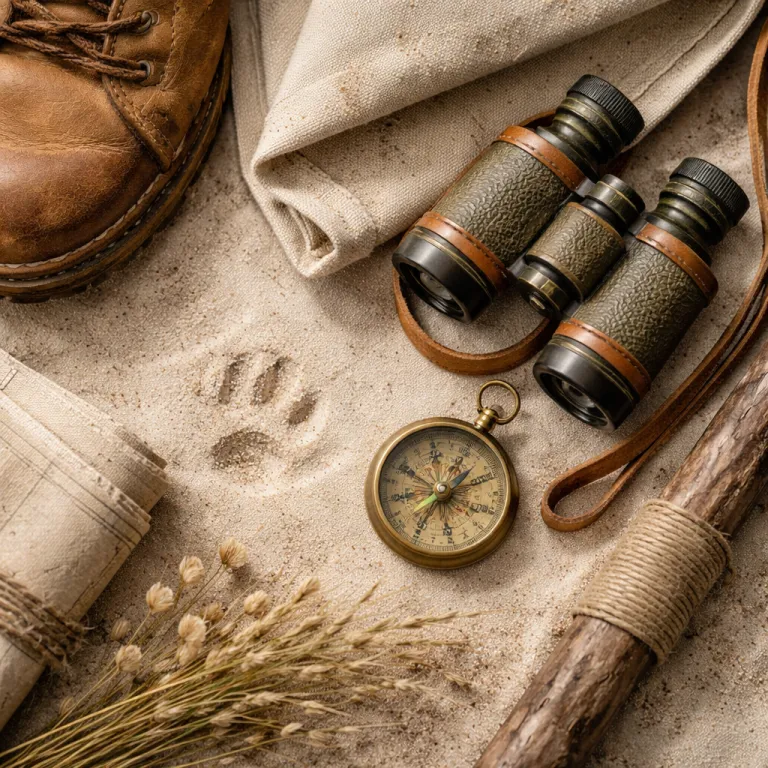
On a guided walk in a private game reserve near Maun, the guide might pause over a single acacia leaf and invite you to read the insect damage like a report. The same expert guide will then kneel beside fresh tracks and signs in the sand, turning spoor into a narrative of which animals passed, at what pace, and why they veered toward the Okavango Delta floodline. This is where walking safaris Botswana style excel, because the pace drops to two or three kilometres per hour and the landscape finally has time to answer your questions.
Operators across Botswana safaris typically keep walking groups small, often around six guests, which keeps the experience quiet and controlled. That intimacy is ideal for executives who want to walk Botswana with enough space to think, yet still feel the reassuring presence of a specialist walking guide at their shoulder. The result is a walking safari Botswana guests remember not for adrenaline alone, but for the way a line of ants, a medicinal root and a distant lion call all share the same frame, especially in the dry season from May to October when visibility is at its best.
From vehicle to foot: how the delta feels at walking pace
In the Okavango Delta, the shift from game drives to walking safaris is not a downgrade in comfort, but a deliberate change in how you meet the animals. A morning drive from camp might deliver elephants crossing a channel, while the afternoon walk brings you to the same tracks on foot, where the guide will show you how the mud still glistens and which birds followed for insects. That contrast is where a safari Botswana itinerary becomes layered rather than repetitive.
High end lodges in concessions such as Linyanti, Selinda and Khwai now design stays where guests alternate game drives with at least one delta walking session and, in some cases, a mokoro excursion through shallow floodplains. On curated routes like the classic footsteps Shinde style trails, or itineraries that echo the Mombo–Khwai–Linyanti sequence described in a ten day Botswana itinerary, you feel how each landscape rewards a different kind of walk. The Okavango foot perspective is especially powerful in mixed woodland, where small movements in the bush reveal shy antelope that vehicles often miss.
For travelers used to tight schedules, the structure of a three hour walk is reassuringly clear. You leave camp at first light with binoculars and safety equipment, walk two to four kilometres per hour, then return for a late breakfast and a quiet stretch of work or rest before the evening game drives. Over several nights this rhythm builds a deeper safari experience, because your memory holds both the sweeping delta panoramas and the intimate, ground level details, from reed frogs in seasonal channels to the dust patterns left by a departing herd of buffalo.
Safety architecture: how serious lodges manage risk on foot
Luxury camps that offer walking safaris in Botswana operate under some of the strictest professional walking guide standards in Africa. In Botswana, lead walking guides must hold an advanced rifle handling qualification and a professional guide licence issued by the Department of Wildlife and National Parks (DWNP), which requires written exams, practical assessments and logged experience. Before you even leave camp, the lead guide will brief you on spacing, hand signals, wind direction and how to respond if big game appears at close range. That structure is not theatre; it is the safety architecture that lets you relax enough to enjoy the walk.
On the trail, the two guide rule is common practice in premium safari camps, with a lead specialist walking guide carrying a rifle and a second guide managing the line of guests. You walk in single file, keep conversation low and let the guide read tracks and signs ahead, constantly assessing which animals are nearby and how they are likely to move. Distance protocols around elephants, buffalo and predators are conservative, and the group will often change direction long before you ever feel exposed, following concession specific operating procedures agreed with conservation authorities and land boards.
Guests often ask, “Are walking safaris safe?” and the honest answer from experienced operators is clear: “Yes, with trained guides.” Another frequent question is, “Is prior experience needed?” and the reassurance is equally direct: “No, suitable for beginners.” The key is to choose camps in concessions that are known for excellent walking safari operations, where the team drills regularly, carries the right safety equipment and treats every walk as a serious, low impact way to meet the bush, rather than an improvised add on to vehicle based game viewing.
Where to stay: camps that understand walking as a luxury
Not every safari camp in Botswana is built around walking, so choosing the right base matters as much as choosing the right game reserve. In the Okavango Delta, look for intimate camps that cap guest numbers, place tents along active animal corridors and employ guides who are as proud of their walking safaris as their game drives. Properties in concessions like Khwai and Linyanti often excel here, because their terrain suits both vehicle and foot based exploration, with open floodplains, islands and patches of woodland that lend themselves to safe, scenic routes.
Some of the most rewarding stays pair a water based camp with a specialist walking camp, giving you mokoro glides, classic Botswana safaris by vehicle and at least one serious walk Botswana session. If you are planning a broader luxury route that includes South Africa before or after Botswana, consider structuring your nights so that the most immersive walking safari experience sits in the middle of the journey, when jet lag has faded and your senses are sharp. Our refined guide to the best five star hotels in Botswana highlights properties where this balance between comfort, privacy and guided walking is handled with particular care, from private plunge pools to quiet workspaces for business travelers.
For travelers who value quiet over spectacle, a camp that offers delta walking at first light can be more restorative than one that chases every big game sighting by radio. The best safaris Botswana wide now recognise that executives extending business trips want strong Wi Fi and polished service, but also crave the silence that falls when the guide raises a hand and the whole line stops to listen. In those moments, luxury is not the thread count; it is the feeling that the bush has accepted your presence on its own terms, with only the sound of doves, distant hippo and your own breathing in the cool air.
Designing your ideal walking safari day in Botswana
Timing your walk is a strategic decision, especially when your stay runs to only three or four nights. A morning walking safari usually leaves camp at dawn, when temperatures are cool, light is soft and animals are still active from the night, which makes tracking on foot both safe and productive. An afternoon walk, by contrast, often starts after the midday rest, when heat has eased and the bush feels languid, but the risk of bumping into big game in thick cover can be slightly higher, particularly late in the dry season when vegetation is sparse around remaining water.
If your itinerary allows only one serious walking safari Botswana experience, schedule it for day three rather than your first morning. By then you will have adjusted to the sounds of the camp at night, learned the basic rhythm of game drives and had time to read the landscape from the vehicle, which makes the transition to walking safaris feel more intuitive. Families planning multi day stays that include mokoro activities can also look at family friendly delta days, where slow water based outings complement gentle walks tailored to older children, with shorter distances and more time spent on tracking games and basic bushcraft.
Practical preparation is simple but non negotiable: wear comfortable boots, carry at least one litre of water and follow the guide’s instructions without improvisation. The walking pace of two to four kilometres per hour is manageable for most guests, and no prior experience is needed, because the methods focus on on foot exploration, tracking wildlife and learning bushcraft rather than endurance. Over time, increased eco tourism and a focus on sustainability have made walking safaris one of the lower impact ways to experience Botswana, with no vehicle exhaust on the trail, reduced noise compared with game drives and minimal disturbance to the animals you came to see.
FAQ
Is prior experience needed for a walking safari in Botswana ?
No, prior experience is not required for a walking safari in Botswana, and the activity is suitable for beginners with a reasonable fitness level. Professional guides lead the walks, set a manageable pace of around two to four kilometres per hour and explain safety protocols clearly before leaving camp. This structure lets first time guests focus on the experience rather than worrying about technical skills, while still respecting the wild nature of the environment.
Are walking safaris safe compared with game drives ?
Walking safaris are considered safe when operated by qualified guides who follow strict protocols, including carrying a rifle, maintaining safe distances from wildlife and using clear hand signals. Camps that specialise in walking maintain small group sizes and often apply a two guide rule, which adds another layer of oversight. While no wildlife activity is risk free, the controlled approach makes serious incidents extremely rare, and reputable operators review their procedures regularly in line with Botswana’s guiding regulations.
What wildlife might I see on a walking safari in Botswana ?
On a walking safari you are likely to see elephants, a wide range of birds and an extraordinary variety of insects, along with antelope, giraffe and sometimes predators at a respectful distance. The emphasis is on reading tracks and signs, understanding plant use and noticing small animals that vehicles often overlook. Big game encounters do happen, but guides manage them conservatively to prioritise safety, often choosing to observe briefly and then move away rather than follow animals closely.
How long does a typical walking safari last each day ?
A standard guided walk in Botswana usually lasts about three hours, either in the early morning or late afternoon when temperatures are more comfortable. The distance covered is typically between six and eight kilometres, depending on terrain, wildlife activity and the interests of the group. Guests then return to camp for meals, rest and often an additional game drive or mokoro outing later in the day.
What should I wear and carry on a walking safari ?
Neutral coloured clothing, a wide brimmed hat and sturdy, closed boots are essential for comfort and safety on a walking safari. You should carry water, sunscreen, sunglasses and, if you enjoy birding, a pair of binoculars, while guides provide field guides and safety equipment. Many guests also bring a small daypack to keep hands free and maintain balance on uneven ground, and a lightweight fleece or windbreaker is useful for cool winter mornings in the delta.