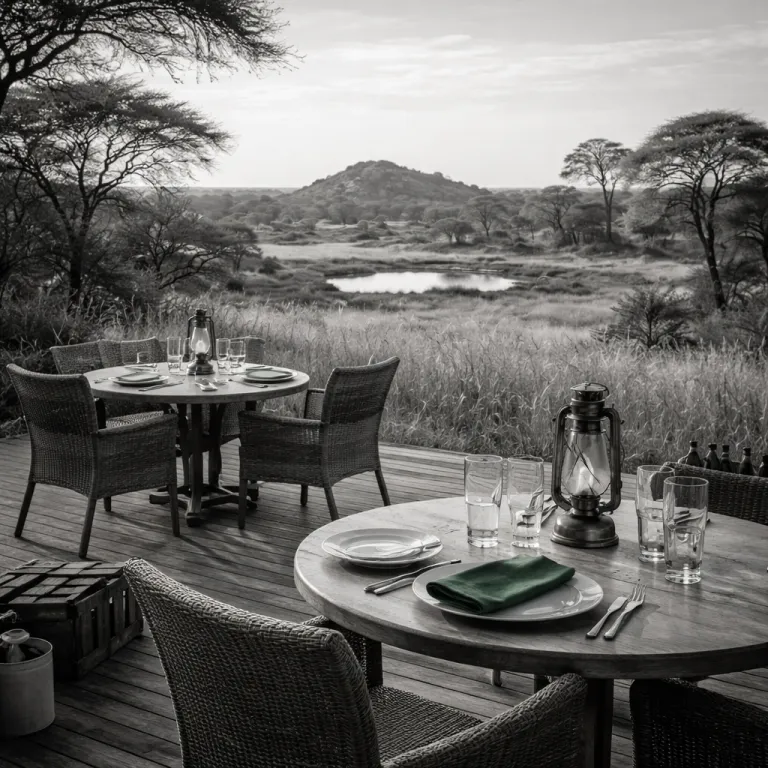
The quiet theatre of a bush dinner on safari
A bush dinner on a Botswana safari is not a gimmick. It is an outdoor dining experience in the african bush where safari guides, camp chefs and camp staff work in quiet choreography so guests feel the wilderness, not the logistics. For many couples, that first walk away from camp into the plains is the moment the trip shifts from itinerary to memory.
The staging usually begins at sunset, when the last game drive pauses and the sights sounds of the african evening start to thicken around the vehicle. Safari guides lead you on foot or by vehicle to a clearing just far enough from the lodge or main camp to feel remote, yet close enough for safety, and the best camps in Botswana and neighbouring Zimbabwe judge that distance with almost theatrical precision. Lanterns mark a path, a portable grill glows under a mopane tree, and the low murmur of staff in the shadows will create a sense of anticipation before you even see the table.
At high end camps across Botswana, from the Okavango Delta to the Linyanti, the bush dinner setup is deliberately simple but never careless. A linen dressed table, proper stemware and a small bar station turn the african bush into a temporary dining room, while the fire and a few well placed lanterns handle the lighting design better than any generator. This is where the best safari experiences separate themselves, because the choreography of bush dining is about knowing when to step back and let the sounds african night carry the scene.
From sundowner to bush dinner botswana safari: how the evening unfolds
The most refined bush dinner Botswana safari evenings start with a sundowner, not with a menu. Your guide will park on a rise or near a pan, pour something cold and let you watch the wildlife move across the plains as the light drains away. Only when the last colour has left the sky does the real safari dining experience begin, and that timing matters more than any wine pairing.
Once the sun has gone, a subtle signal marks the shift from drinks to dinner, perhaps a lantern lit path appearing in the dark or the soft clink of plates from the temporary camp kitchen. Safari guides lead guests towards the glow, often explaining how safety is managed in the african bush and how the team has chosen this particular spot for wind direction, visibility and proximity to known wildlife corridors. The walk is short, but it is one of those safari experiences that couples remember, because the sights sounds and faint smells of the bush feel sharper when you are between vehicle and table.
Most bush dinners last around three hours, long enough for the evening to breathe but not so long that fatigue dulls the senses. The timeline is usually consistent across top destinations in africa and Zimbabwe, with a sunset setup, an unhurried dinner service and a post dinner relaxation period around the fire. If you are planning a trip around a bucket list bush dining moment, ask your lodge in advance which night they recommend, especially if you are also hoping for a separate bush breakfast at sunrise or a riverbank dinner on the Zambezi River during a side trip to Hwange National or Mana Pools.
What is on the plate when the kitchen moves into the african bush
Field kitchens at Botswana safari camps are surprisingly serious operations. Camp chefs work with portable grills, cast iron pots and open fire cooking to deliver food that feels both rooted in africa and polished enough for a luxury lodge, even when the entire dining experience is unfolding under a jackalberry tree. The constraint of cooking in the bush often sharpens technique, because there is nowhere for a poorly handled dish to hide.
Menus tend to balance local flavours with international comfort, so one night you might have slow cooked lamb with sorghum and wild spinach, and the next a perfectly grilled bream from the Okavango waterways with citrus and herbs. When a camp promises food delicious enough to rival city restaurants, ask how much of the produce is sourced locally and how they manage dietary requirements in such remote destinations, because the best safari african kitchens can adapt gluten free or plant based requests without diluting the sense of place. Many couples find that one carefully planned bush dinner, paired with a separate bush breakfast and a more relaxed night in the main dining area, creates a rhythm that keeps each meal feeling special.
Some of the most memorable dining experiences in Botswana link the plate directly to conservation, perhaps through sustainably sourced game meats or partnerships with community farms that support long term wildlife protection. When you read about luxury stays in the Okavango Delta, look for properties that talk about conservation in the same breath as cuisine, not as an afterthought, and use guides who can explain how your safari dining choices support the broader ecosystem. For a deeper sense of how water levels, wildlife movements and seasonal produce shape both game viewing and menus, the editorial on the Okavango Delta’s beauty and luxury stays in Botswana’s wild heart at this detailed Okavango Delta luxury guide is a useful companion read.
Sound, silence and the romance of a single perfect night
What couples remember most about bush dining is rarely the plating. It is the silence between courses, when the generator is far away, the lanterns flicker and the sounds african night press in just enough to raise the hairs on your arms. This is where a thoughtful guide will suggest pausing the conversation, letting the distant bark of a kudu or the low rumble of lions become part of the dining experience.
In that quiet, the african bush feels both intimate and immense, and the lodge team’s restraint becomes as important as their service. The best camps in Botswana and Zimbabwe brief their staff to move softly, to avoid over explaining and to let the wildlife soundtrack carry the evening, because over staging a bush dinner can turn it into theatre rather than immersion. One well judged night under the stars usually lands harder than three similar setups, so when you plan your stay, ask the camp to schedule a single signature bush dinner and leave other evenings for more relaxed dining experiences back at camp.
Romance here is practical as well as poetic, so pack a warm layer, use insect repellent and bring a small flashlight, because the walk back to camp after dinner can be dark and deeply atmospheric. Luxury properties will create comfort with hot water bottles, blankets and perhaps a nightcap by the fire, but the real luxury is the sense that the african bush is holding you, not performing for you. If you are timing a Delta trip around peak water levels and the most dramatic safari experiences, the analysis of the Okavango’s once in decades flood at this feature on the Okavango’s rare flood cycles explains how hydrology shapes both game viewing and where a camp can safely stage a bush dinner.
Choosing the right camp and asking the right questions before you book
Not every camp handles bush dining with the same finesse. Some properties in Botswana and across africa over light the setting, push cultural performances too hard or crowd multiple tables into one clearing, which can dilute the sense of privacy that many guests expect from a premium bush dinner Botswana safari. Others underplay it, offering a simple table near the vehicle that feels more like overflow seating than a once in a lifetime safari dining moment.
When you are comparing lodges on a luxury hotel booking website, look for specific language about where and how they stage bush dinners, not just generic promises of “al fresco meals under the stars”. Ask how many guests they seat at once, whether they offer private tables for couples and how they handle safety in relation to nearby wildlife and any adjacent national park. A serious operator will explain that “An outdoor meal in the wilderness during a safari.” is managed by experienced staff, and that “Yes, conducted with safety measures by experienced staff.” is not marketing copy but standard operating procedure.
It is also worth checking how a property’s conservation ethos and privacy policy intersect with its culinary programme, especially if you are sharing dietary requirements or personal preferences in advance. On platforms such as this guide to premium Botswana hotel booking and seamless reservations, you can filter for camps that limit guest numbers, invest in local communities and treat bush dining as part of a broader conservation narrative rather than a stand alone spectacle. For couples building a bucket list of safari african destinations, that alignment between ethics, comfort and theatre is what turns a good bush dinner into the emotional centre of the trip.
Beyond Botswana: regional context, practical tips and how often to say yes
Botswana sets the standard for low impact, high comfort safari experiences, but it does not hold a monopoly on memorable bush dining. Neighbouring Zimbabwe offers outstanding options in Hwange National Park and along the Zambezi River near Mana Pools, where camps use similar open fire methods and lantern lit setups to frame the african bush in a different light. For couples combining destinations, one bush dinner in Botswana and another in Zimbabwe can show how varied the same idea feels across landscapes.
In Hwange National, the vast open plains and pumped waterholes create a backdrop where elephants may drift past during dessert, while Mana Pools and the Zambezi River bring a more aquatic drama, with hippos grunting and hyenas calling from the riverine bush. These regional contrasts underline why many travellers now treat bush dinners and bush breakfasts as core safari experiences, not optional extras, and why they appear on so many bucket list itineraries. When you read about africa’s ultimate safari dining destinations from operators such as Great Plains or African Bush Camps, you will see how carefully they calibrate guest numbers, table placement and lighting to keep the focus on wildlife and sky.
From a practical perspective, plan for one major bush dinner and one bush breakfast per three or four night stay, and let your lodge advise on the best nights based on moon phase, wind and wildlife movements. Wear comfortable, warm clothing, keep valuables minimal and trust the camp team when they suggest when to move, when to sit and when to let the night speak. “What should I wear to a bush dinner? Comfortable, warm clothing suitable for the evening.” is simple advice, but in the african bush, comfort is what frees your attention for the food, the company and the quiet drama unfolding just beyond the lantern light.
FAQ
What exactly is a bush dinner on a Botswana safari ?
A bush dinner on a Botswana safari is a fully hosted outdoor meal set in the wilderness, usually away from the main camp but within a carefully controlled safety perimeter. Safari guides, camp chefs and support staff move the entire dining setup into the african bush, using open fire cooking, lanterns and portable bars to create a temporary restaurant under the stars. The aim is to immerse guests in nature while maintaining the comfort and service level of a high end lodge.
Is a bush dinner safe for first time safari guests ?
Yes, when arranged by reputable camps, a bush dinner is designed to be safe even for first time safari guests. Guides choose locations with good visibility, avoid known wildlife corridors and keep vehicles or radios close at hand, while staff are trained to manage any animal approach calmly. Guests are always escorted to and from the site, and movements during the meal are supervised so you can relax and focus on the dining experience.
How should couples dress for an evening of bush dining ?
Couples should wear comfortable, warm layers in neutral colours, closed shoes and bring a light jacket or fleece, because temperatures can drop quickly after sunset. Insect repellent is essential, and a small flashlight can be useful for the walk back to camp after dinner. Avoid bright white or very dark clothing, as mid toned neutrals tend to feel more appropriate in the african bush and show dust less.
How often should I plan a bush dinner during my stay ?
For most couples, one carefully staged bush dinner per stay feels special without becoming routine, especially if you also enjoy a bush breakfast or a private in camp dinner on another night. Spacing these experiences allows each to stand out and gives the lodge flexibility to choose the best evening based on weather and wildlife activity. If you are staying longer than four nights, a second bush dining experience in a different setting, such as a riverbank or pan, can work well.
Can camps cater for specific dietary requirements during bush dinners ?
Well run safari camps in Botswana and Zimbabwe can usually accommodate a wide range of dietary requirements, including vegetarian, vegan, gluten free and allergy sensitive menus, even during remote bush dinners. The key is to communicate your needs clearly before arrival so the camp chefs can plan ingredients and cross contamination protocols in advance. On the night, you should expect the same level of care and creativity as in the main dining area, with dishes adapted rather than simplified.