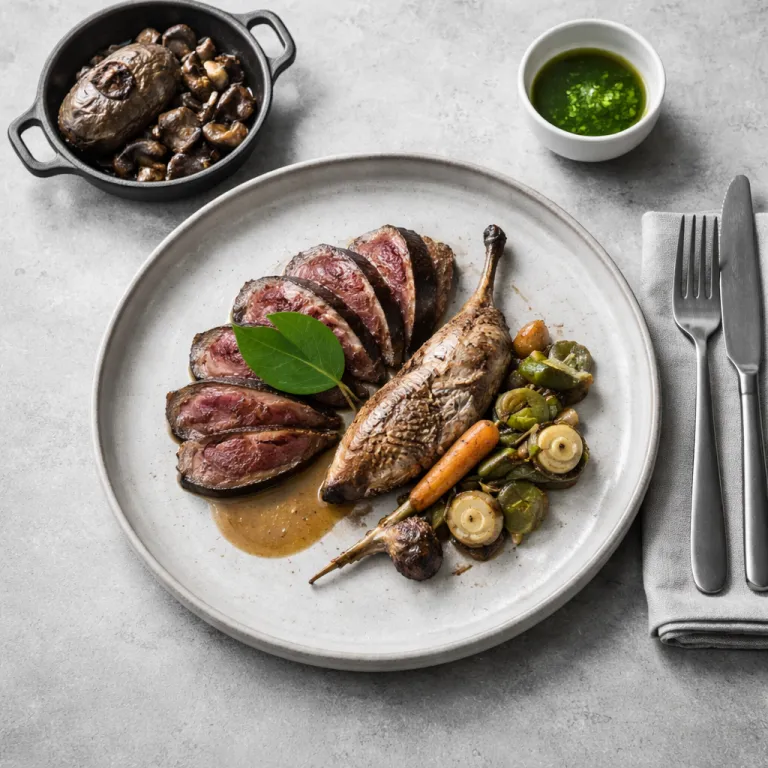
Why safari camp cuisine in Botswana matters for families
Safari camp cuisine in Botswana is not about spectacle, it is about precision. In the best safari camps, chefs build every dining experience around what the bush, the plains and the nearby farmers can offer that day, so families taste a living landscape rather than a generic hotel menu. For parents used to resort buffets, this focus on place, food integrity and calm rhythm across meals can feel like the ultimate reset.
Across Botswana there are roughly one hundred safari camps, with an average of twenty guests per camp, which means chefs can pay close attention to each table and to each child’s plate. Most of these camps and lodges serve a mix of local and international cuisine, and they do it with fresh, locally sourced ingredients that turn simple meals into quietly delicious moments between one game drive and the next. When you book a safari lodge or river lodge through a curated platform such as mybotswanastay.com, you are choosing destinations where safari dining is treated as seriously as wildlife viewing.
Families often ask what “authentic” safari dining really means in Africa, and whether it will work for younger palates. In Botswana the answer is reassuring, because the best safari experiences pair clear flavours with familiar structures, such as grilled meats, fresh fruit platters and warm breads served with afternoon tea or high tea. The result is that children can eat confidently while adults enjoy a dining experience that feels both African and cosmopolitan, without the fuss that sometimes follows luxury food in south Africa or the United States.
From farm gate to fire: what walked in this morning
Ask a chef in a well run safari camp about tonight’s menu and you will often hear the phrase “what walked in this morning”. In Botswana that usually means a combination of wild harvested herbs from the african bush, vegetables from small scale farms near Maun and carefully sourced meats that arrive at camp before the morning game drive returns. The constraint of distance and logistics is not a problem for these camps and lodges, it is the discipline that shapes every plate.
At Naledi Camp, for example, the team talks openly about a farm to table dining experience built on vegetables and herbs grown on their own grounds, then supplemented by nearby producers when the season demands it. Camp Khwai leans into fully catered meals that feel like honest home cooking, with food that is fresh rather than fussy and with bush dining set ups that bring families close to the fire without sacrificing comfort. Little Machaba Camp often serves home style local cuisine under the stars, turning the african night sky into part of the dining experiences rather than a backdrop.
This approach to safari camp cuisine in Botswana works especially well for families, because ingredients stay identifiable and stories stay clear. Children can see the fresh fruit that came from a nearby orchard, hear how the bread dough rose while they were on a morning game drive and understand why the grilled fish tastes different when the river is high. When you hear a manager explain that “A mix of local dishes and international cuisine, often using fresh, local ingredients.” is the baseline, you know the camp takes sourcing seriously.
How chefs adapt menus for curious and cautious eaters
One of the quiet luxuries of safari camp cuisine in Botswana is how calmly chefs handle different appetites at the same table. With an average of only twenty guests in many safari camps, the kitchen can adjust meals for a child who loves plain pasta, a teenager who wants every african spice and a parent who prefers plant based food, all without turning dinner into a performance. The smaller scale of each camp or lodge means the dining room feels more like a private home than a hotel restaurant.
Most camps ask for dietary information before arrival, and you should take that request seriously and share every detail. The dataset guidance that “Yes, most camps cater to dietary needs if informed in advance.” is not marketing language, it is operational reality for chefs who plan supplies by light aircraft and river boat. When you arrive at a safari lodge such as Camp Okavango or a remote river lodge on the Delta, the kitchen already knows who needs gluten free bread, who keeps halal and who is simply a picky eight year old.
During bush dining or more formal safari dining, chefs often step out of the kitchen to explain dishes in person, which helps children feel seen and heard. They might describe how a south African inspired relish has been toned down for younger guests, or how a classic africa stew has been separated into components so each child can choose what goes on the plate. This kind of table side conversation turns a standard dining experience into one of the most memorable safari experiences for families, because it respects both curiosity and caution.
Discipline over ornament: technique in the african bush
Botswana’s best bush kitchens are not chasing tasting menu theatrics, they are chasing clarity. When ornament falls away and a chef is left with a fire, a pan and what the supply truck managed to bring across the plains, technique stands exposed in every bite. That is where safari camp cuisine in Botswana earns its reputation among serious travelers who care as much about food as they do about sightings.
Executive Chef Ziyaad Brown’s culinary direction for several Great Plains properties is a good example of this discipline, with menus that favour seasonal ingredients and clean flavours over complicated constructions. Great Plains chefs have also been trained in high end vegan cuisine at the direction of Dereck and Beverly Joubert, which means a plant based dining experience in the african bush can feel as considered as any meat focused meal. For families, this matters because it allows a vegetarian teenager and a steak loving parent to share the same table without compromise.
Technical skill shows up in small, repeatable moments rather than grand gestures. Think of a perfectly timed roast chicken served after a long afternoon game drive, or a loaf of bread that has risen slowly in a camp oven while elephants passed the kitchen tent. Even the ritual of afternoon tea or high tea, with still warm scones and bowls of fresh fruit, becomes a quiet showcase of technique when you remember that everything was baked in a remote camp far from any town in botswana or south Africa.
Practical booking tips for food focused family safaris
When you book a luxury stay through a specialist platform such as mybotswanastay.com, treat food as a primary filter rather than an afterthought. Read past posts carefully and look for specific references to bush dining, safari dining and flexible meals for children, because vague praise rarely translates into a great on the ground dining experience. Ask directly whether the camp or lodge can arrange early dinners for younger children who might fall asleep after a long morning game drive.
Before confirming, send the camp a short note with your family’s priorities and questions. Ask where their produce comes from, whether they work with local farmers near Maun, how often they can source fresh fruit and how they handle special requests during multi day safari experiences. You can also ask whether meals are usually served in a central dining area, at a river lodge deck, or as occasional bush breakfasts inside a nearby national park, because setting shapes how relaxed children will feel.
On arrival, take five minutes to meet the chef or camp manager and talk through any last details. Clarify how the camp’s cookie policy handles children raiding the jar between meals, whether tea and coffee are available before the earliest morning game drive and how flexible the kitchen is about off menu requests. These small conversations turn safari camp cuisine in Botswana from a background service into one of the ultimate reasons your family will remember this trip as a genuine bucket list journey through africa and botswana.
FAQ
What types of food are served at Botswana safari camps ?
Most safari camps in Botswana serve a mix of local dishes and international cuisine, often using fresh, local ingredients. You can expect grilled meats, seasonal vegetables, salads, fresh fruit and simple desserts that appeal to both adults and children. Many lodges also offer vegetarian, vegan and lighter options at every meal.
Can safari camps accommodate dietary restrictions and picky eaters ?
Yes, most camps can accommodate dietary restrictions if they are informed in advance, including allergies, religious requirements and lifestyle choices. Chefs are used to adjusting recipes and preparing separate plates for children who prefer simpler food. Share detailed information before arrival so the camp can plan supplies and avoid last minute compromises.
Is dining under the stars common in Botswana safari lodges ?
Outdoor dining under the night sky is a hallmark of many safari lodges and camps in Botswana. Weather permitting, camps often arrange bush dinners, boma evenings or lantern lit tables on open decks. These experiences are usually optional, so families can choose between atmospheric nights outside and quieter meals indoors.
How does the daily meal schedule fit around game drives ?
Most camps follow a rhythm of early breakfast before the morning game drive, a lighter lunch around midday and a more substantial dinner after the afternoon drive. Snacks and drinks are usually offered during drives, and afternoon tea or high tea is common before heading out again. Families can often request adjusted times for younger children who need earlier meals.
What should families ask about food when booking a safari camp ?
When booking, ask where the camp sources its produce, how it handles dietary needs and whether it can provide child friendly menus. It is also useful to ask about typical dining locations, such as central decks or bush settings, and how flexible the kitchen is with off menu requests. Clear answers to these questions are a strong indicator of how seriously the camp treats its culinary offering.