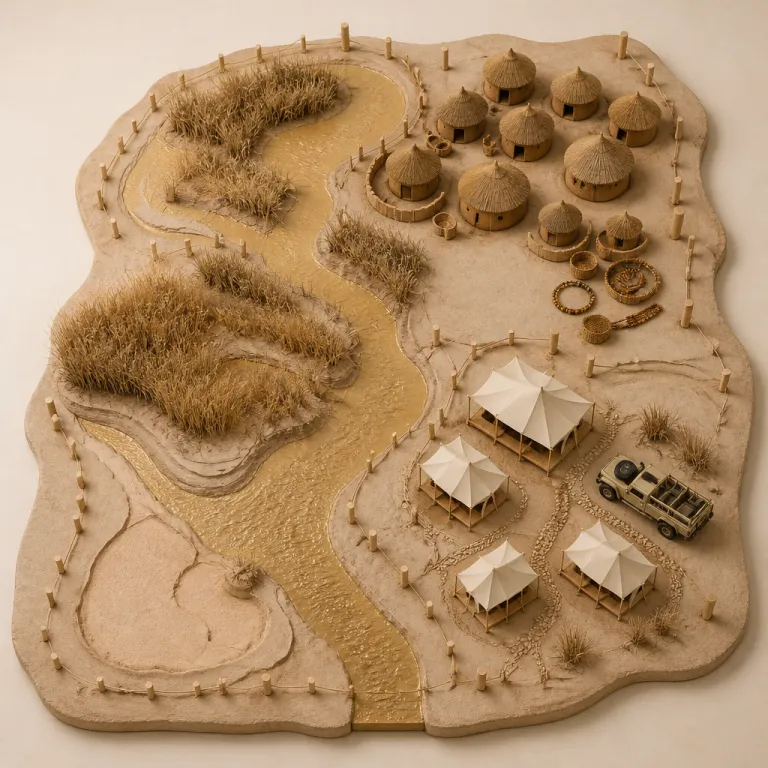
Khwai community tourism in Botswana: where a village owns the safari
The story of khwai community tourism Botswana begins in a small village on the edge of the moremi game landscape. Here the khwai community used its traditional land rights to negotiate a community concession that now anchors some of the most sought after luxury safari camps in the okavango delta. For travelers, every game drive and every night in camp becomes part of a wider safari experience that keeps both wildlife and people in the khwai area firmly in view.
The Khwai Development Trust manages the khwai concession of roughly 2 000 square kilometres, turning former hunting blocks into a mixed use wildlife reserve with carefully zoned safari access. This community organization sits between international operators and the khwai village, signing leases for private reserve style camps while protecting shared grazing, river frontage and sacred sites along the khwai river. When you plan safari time here, you are entering a living economy rather than a sealed off national park bubble, and that changes how luxury feels and what it funds.
Community based tourism in this part of Botswana grew from a need for economic self sufficiency without losing the wild character of the okavango floodplains. The same logic later shaped Sankuyo, another village that built its own game reserve ventures and safari camps south of moremi. Together, khwai and Sankuyo now form a quiet power bloc in northern Botswana’s tourism map, proving that a rural community can own the concession, host premium safaris and still keep the village at the centre of every decision.
From hunting blocks to community concession: how the model works
In khwai community tourism Botswana, the concession is not an abstract lease but a community asset with a board, audited accounts and public meetings. The Khwai Development Trust was created to manage the khwai community concession, negotiate with safari operators and ensure that every camp, from rustic tented sites to high end lodges, pays agreed fees for land use and game viewing rights. As one local explanation puts it plainly, “What is the Khwai Development Trust? A community organization managing the Khwai Concession.”
Revenue flows from operators to the Trust through fixed concession rentals, per bed levies and activity fees for game drives, night drives and guided walks across the khwai area. In a strong season, especially during the dry season when game viewing peaks along the khwai river, these payments fund village salaries, scholarships, small business grants and conservation patrols that protect wildlife from poaching. The same structure appears in Sankuyo, where the community runs campsites and safari ventures on its own land, proving that a village can be both landlord and service provider in a competitive safari market.
For guests, this model shapes everything from the style of camp to the way your guide talks about the okavango delta and nearby moremi game habitats. A khwai private concession vehicle can cross seamlessly between community land and the adjacent moremi game reserve, giving you national park level sightings with more flexible rules for night drives and off road game drives. When you glide by mokoro on a quiet channel, perhaps after a long day of meetings in Gaborone, you are entering a water world where the community has chosen low impact safaris over short term extraction, a choice explored in depth in our guide to family friendly mokoro days on the delta.
Luxury camps with a village ledger: what your booking really funds
High end camps in the khwai area sell silence, space and intimate wildlife encounters, yet behind each polished deck sits a spreadsheet that links your stay directly to khwai village accounts. When you choose a camp inside the khwai community concession rather than a distant private reserve, a portion of your nightly rate flows into community budgets that pay guides, trackers, maintenance crews and office staff drawn from the local community. These salaries turn safari experiences into long term livelihoods, not just seasonal jobs that vanish when the last vehicle leaves the park.
In practice, a typical luxury camp pays a fixed concession fee plus a per guest levy that rises in the peak dry season when demand for safaris and game viewing is highest. The best time for wildlife sightings usually runs from the cool, dry months when the okavango delta waters contract and animals concentrate along the khwai river and moremi game floodplains. During this season, khwai private operators often add extra game drives and night drives, and each additional activity generates incremental revenue for the khwai community and its conservation patrols.
Even the wine in your glass and the lantern lit table under a jackalberry tree are part of this economy, because procurement policies favour local suppliers wherever possible. When you read our feature on bush sundowners and lantern lit dinners on safari, you are also reading about a supply chain that now includes village farmers, craftspeople and transport providers. In Sankuyo, community run campsites follow a similar pattern, pairing simple infrastructure with carefully curated safari experiences that still channel meaningful funds into the village reserve accounts.
Policy, power and the new rules of Botswana’s safari economy
The rise of khwai community tourism Botswana did not happen in a vacuum ; it sits inside a national policy shift that elevated tourism as a pillar of Botswana’s Economic Transformation Programme. Under the Community Based Natural Resource Management model, villages like khwai and Sankuyo receive rights to manage wildlife, allocate tourism concessions and sign joint venture agreements with private safari operators. Recent reforms, including a new CBNRM Bill, grant communities greater authority over land use and wildlife governance, correcting what Minister Mmolotsi described as a long standing imbalance in benefit distribution.
For travelers, this means that choosing a camp in a community concession is now a direct vote for a more equitable safari economy. Instead of all value accruing to distant shareholders, revenue from game drives, walking safaris and night drives is shared between the operator, the khwai community and national conservation funds that support nearby protected areas such as moremi game reserve and chobe national park. The Vice President, Slumber Tsogwane, has repeatedly framed tourism as a key driver of rural development, and khwai village stands as one of the clearest case studies of that policy in action.
This governance shift also influences how concessions are zoned between photographic safaris and other land uses, with khwai private areas now prioritising low density camps and strict vehicle limits to protect wildlife. The result is a safari experience where you might watch a pack of wild dog hunt on the open floodplain with only one or two other vehicles in sight, even during the busiest season. For business travelers extending a trip, this level of intentional scarcity feels less like a marketing line and more like a carefully negotiated social contract between village, state and operator.
Planning your stay: when to go, where to book, how to travel well
Choosing when to visit khwai community tourism Botswana depends on what you want from your safari experience and how you balance comfort with drama. The dry season from roughly May to October is widely considered the best time for game viewing, as shrinking water sources pull elephants, buffalo and predators towards the khwai river and the fringes of moremi game habitats. In the green season, storms transform the okavango delta into a lush mosaic, birdlife explodes and rates at many camps soften, making it an appealing window for business travelers adding a few days of leisure.
Access to the khwai area is usually by light aircraft from Maun, with airstrips serving both community concession camps and neighbouring private reserve properties. Some travelers pair khwai with chobe national park or another game reserve, using our guide to premium hotel booking for discerning travelers in Botswana’s cities to structure a smooth transition between boardroom and bush. When you plan safari logistics, consider at least three nights in khwai village territory to allow for varied game drives, mokoro outings and, where permitted, night drives that reveal a different cast of wildlife.
Booking through a platform that understands both luxury standards and community dynamics is essential if you want your stay to align with your values. Look for camps that publish their community contributions, hire a majority local équipe and support conservation projects beyond the minimum concession fees. Whether you choose a small tented camp on the edge of the village or a more secluded lodge deep inside the reserve, the real luxury in khwai and Sankuyo lies in knowing that your presence strengthens, rather than erodes, the wild systems and human communities that make this corner of Botswana so rare.
FAQ
What is the Khwai Development Trust and why does it matter for travelers ?
The Khwai Development Trust is the community body that manages the khwai community concession on behalf of khwai village residents. It signs agreements with safari operators, collects concession and activity fees and allocates funds to local projects, salaries and conservation work. When you stay in a camp on Trust land, a portion of your payment flows directly into this community structure rather than bypassing it.
How does Sankuyo benefit from tourism compared with Khwai ?
Sankuyo follows a similar community based tourism model, operating campsites and safari ventures on land allocated to the village. Income from these operations supports local livelihoods, infrastructure and conservation, just as khwai community tourism Botswana channels funds into its own village projects. The two villages differ in scale and location, but both show how rural communities can turn concession rights into a functioning safari economy.
What is community based tourism in the context of Botswana’s safari areas ?
Community based tourism in Botswana means that local residents hold legal rights over land and wildlife use, then partner with private operators to run safaris under agreed terms. In places like the khwai area, this model replaces former hunting concessions with photographic camps that fund both conservation and village development. For guests, it offers high end safari experiences that are directly linked to the wellbeing of the host community.
Is Khwai part of a national park or a private reserve ?
The khwai community concession borders moremi game reserve but is not itself a national park ; it is community land managed by the Khwai Development Trust. This status allows for a mix of rules, often including night drives and off road game drives that are not always permitted inside formal parks. Many travelers combine time in khwai with a stay inside moremi or chobe national park to experience both governance models.
How can I ensure my safari booking supports local communities fairly ?
To support communities like khwai and Sankuyo, choose camps that operate on community land, publish clear revenue sharing arrangements and employ a majority of staff from the local area. Ask your agent how concession fees, bed levies and activity charges are distributed between operator, community and national conservation funds. Transparent answers are a strong indicator that your safari experience contributes meaningfully to both wildlife protection and village economies.