What “resort Botswana” really means for luxury family safaris
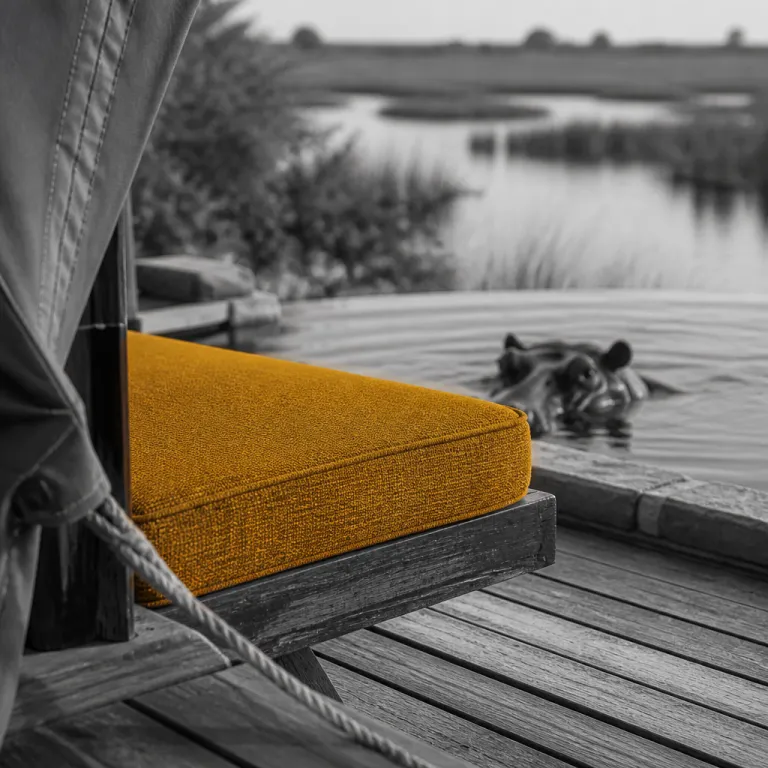
In Botswana, the phrase “resort Botswana” rarely points to a single vast complex with water slides and buffet lines. Here, a resort usually means a small safari lodge or camp where every tented suite faces the delta or a lagoon and where the pool shares its views with hippos and elephants. For families planning a Botswana safari, understanding this difference is the first step to choosing the right lodge, the right camp, and the right level of comfort for each person in the group.
Most luxury lodges in Botswana sit inside or beside a national park or private game reserve, so your “resort” is embedded in wildlife rather than in a town. You might wake after a quiet night to the sound of lions calling across the Okavango Delta floodplains, then walk from your tented suite to breakfast while guides point out fresh game tracks in the sand. This is not about a long list of hotel facilities ; it is about how a lodge Botswana property choreographs game drives, boat outings, and family time so that every person night feels both safe and thrilling.
Families used to beach resorts often ask about kids’ clubs, set meal times, and fixed prices for activities. In a typical safari lodge, the rhythm is different, because the wildlife and the light over the delta dictate the schedule more than any hotel timetable. You head out on game drives at dawn and late afternoon, return to the camp for a swim with wide open views of the floodplains, and share stories around the fire while staff quietly adjust plans if elephants decide to drink from the pool or cross between tents and the main lodge.
From mobile camp to lagoon pool: the real spectrum of lodges Botswana
When travellers search for a resort Botswana option, they often picture a fixed building, yet the reality runs from ultra light mobile camp experiences to permanent lodges with gyms and yoga decks. At the most adventurous end, a mobile camp Botswana itinerary follows the wildlife across the Okavango and Moremi Game Reserve, with dome tents, bucket showers, and a focus on raw game viewing rather than on polished hotel amenities. At the other end, permanent safari lodges in the Okavango Delta or along the Chobe River offer tented suites with private plunge pools, air cooling, and curated kids’ activities that rival urban hotels while keeping the bush very close.
Properties such as Qorokwe Camp, andBeyond Xaranna Okavango Delta Camp, and Sable Alley show how far the idea of a lodge Botswana stay has evolved. At Xaranna, each tented suite has its own plunge pool and uninterrupted views over an Okavango Delta channel, so parents can watch hippos while children swim under supervision. Sable Alley’s lagoon facing tents give every person a front row view of wildlife, turning the camp’s central pool deck into a natural amphitheatre where hippos, red lechwe, and sometimes wild dogs share the same frame.
Wellness has become part of the luxury safari conversation, especially for families who want a resort Botswana stay to include rest between game drives. At Atzaró Okavango, the lagoon facing pool, wellness sanctuary, gym, and elevated yoga shala create a resort like layer without losing the sense of being in the delta. If you are curious about how wellness is reshaping the safari lodge scene, the in depth feature on Botswana’s new wellness geography offers useful context at this guide to yoga and wellness camps in Botswana.
Family friendly “resort Botswana” stays in the Okavango Delta and beyond
For a premium family, the right resort Botswana choice balances safety, flexibility, and a sense of wonder for children. The Okavango Delta excels here, because many safari lodges sit on private concessions where game drives can run after dark and where guides can tailor activities to different ages. A well run safari lodge will pair each family with a guide who understands how to pace game drives, when to shorten a sighting for a tired child, and when to linger because a leopard has climbed a tree right beside the track.
Newer openings such as Sediba Sa Rona on the Khwai River lean into multigenerational travel, with family tents, interleading rooms, and shared decks that make it easier to supervise younger children. In these lodges Botswana properties, a typical person night rate includes game drives, boat trips when water levels allow, and often guided walks for older teenagers, so prices feel more like a full board resort model than a city hotel bill. When you compare hotels in Maun or Kasane with a safari lodge inside a national park, remember that the lodge price usually covers both accommodation and the core of your Botswana safari experience.
Families often combine the Okavango Delta with Chobe National Park or the Makgadikgadi pans, creating a circuit of very different landscapes under the same resort Botswana umbrella. Chobe game viewing is intense, especially along the Chobe River where elephants, buffalo, and sable gather in large numbers, while the pans offer space, stars, and meerkats rather than dense wildlife. For a deeper look at how investment is reshaping remote regions, the analysis of the European backed plan in the Kgalagadi area at this feature on Kalahari investment helps explain why new lodges and camps are appearing where there were none before.
Chobe, Moremi, and the riverfront: where resort Botswana meets big game
Chobe National Park and the adjacent Chobe Riverfront remain the most accessible entry point to a resort Botswana holiday, especially for families linking a Botswana safari with Victoria Falls. Many lodges cluster near Kasane, offering hotel style rooms as well as tented suites, so you can choose between a more conventional hotel stay and a safari lodge experience with inclusive game drives. The Chobe River itself acts as a moving stage, with boats gliding past elephants, crocodiles, and fish eagles while guests sip coffee on the upper deck.
Some properties, such as Ngoma Safari Lodge, sit away from the busiest riverfront stretch and feel more like private safari lodges than town hotels. From these elevated lodges Botswana travellers enjoy wide views over the Chobe River floodplain, with game moving between water and woodland throughout the day. Game drives here focus on the western section of Chobe National Park, where traffic is lighter and sightings of lion, leopard, and large herds of elephant can feel more exclusive than in the central riverfront area.
Further south, the Moremi Game Reserve and surrounding concessions host a dense cluster of camps and lodges that define the Okavango Delta experience. Here, a resort Botswana stay might mean a camp Botswana property on a permanent water channel, where mokoro excursions replace some game drives, or a drier island lodge where predators dominate the sightings. When you read full property descriptions on a specialist site, pay close attention to whether the focus is on water based activities, on classic vehicle based game drives, or on a blend of both, because this shapes every person night in camp.
How to read prices, person night rates, and full reviews
Pricing for a resort Botswana stay can feel opaque at first, because most safari lodges quote per person per night rates rather than per room prices. That person night figure usually includes accommodation, meals, local drinks, scheduled game drives, and sometimes light aircraft transfers between the lodge and the nearest airstrip. When you compare lodges Botswana wide, always check what is included in the rate and what is extra, especially park fees, conservation levies, and optional activities such as helicopter flips or private vehicles.
Families should read full lodge descriptions and independent reviews rather than relying on a single glossy image of a pool with delta views. A thorough full review will spell out how many guests the camp hosts, whether children under a certain age can join game drives, and how the lodge handles dietary needs or mobility issues. Look for specific mentions of wildlife density, not just generic references to “abundant game”, and for honest notes about seasonal changes in water levels that affect both boat activities and the look of the Okavango Delta landscape.
On mybotswanastay.com, each resort Botswana listing aims to give you that level of clarity, with practical notes on transfer times, likely wildlife highlights, and the feel of the camp after dark. If you want to balance remote safari lodges with a night or two in town, the guide to premium city escapes at this article on city hotel options in Botswana helps you compare urban hotels with their safari lodge counterparts. Use those resources to read across several properties, then shortlist three or four lodges that match your family’s rhythm, budget, and appetite for adventure.
Design, wildlife, and service: what sets top safari lodges apart
The best resort Botswana stays share a few quiet signatures, even though they range from canvas heavy camps to architecturally bold lodges. First, every tent or suite is oriented towards a view, whether that is an Okavango Delta lagoon, a stretch of Chobe River, or a pan where zebra and wildebeest gather in the dry season. Second, the camp layout keeps wildlife movement in mind, with raised walkways, discreet fencing where necessary, and clear rules about moving between tents after dark.
Service is the other defining thread, and it goes far beyond a polished hotel welcome. In a strong safari lodge, your guide, tracker, and camp équipe quickly learn how each person in your party likes to travel, whether that means shorter game drives with more snack stops or longer excursions that push deeper into the national park. Wilderness family dining experiences, often set under lantern lit trees or beside a quiet channel, are designed so that children can eat earlier if they wish while adults linger over a second course and talk through the day’s wildlife sightings.
Design details also matter, especially for families who want a resort Botswana stay to feel both indulgent and grounded. Thoughtful lodges use natural materials, cross ventilation, and shaded decks rather than relying only on air conditioning, which keeps the line between inside and outside pleasantly thin. When you read a full review, look for mentions of how the camp sounds at night, how dark the sky is, and how the staff handle unexpected wildlife encounters, because those small notes often say more about the true character of a safari lodge than any list of facilities.
Planning your resort Botswana itinerary with children
Building a family itinerary around a resort Botswana concept means thinking in arcs of energy, not just in nights and prices. Young children usually cope best with three night stays in each safari lodge, giving them time to settle into the camp routine, learn the staff names, and feel at home in their tented suite. Older teenagers can handle longer stretches in one lodge, especially if the camp offers varied activities such as walking, boating, and cultural visits alongside vehicle based game drives.
A classic family route might start with two nights near Victoria Falls on the Zambian or Zimbabwean side, then cross into Botswana for three or four nights in Chobe National Park before flying into the Okavango Delta. That sequence eases everyone into the safari rhythm, with the drama of the falls, then dense Chobe game viewing, then the quieter, more intimate feel of a delta camp Botswana stay. If time allows, adding a final stop in the Makgadikgadi or Central Kalahari Game Reserve gives children a sense of how varied Botswana’s landscapes are beyond the famous wetlands.
Health and safety planning should sit alongside lodge selection from the start, especially because the Okavango Delta is a malaria area. As one of the most common planning questions puts it, “Are there malaria risks in the Okavango Delta? Yes, it's a malaria area; precautions are advised.” Families should speak with a travel clinic well before departure, pack long sleeved clothing for evening game drives, and choose lodges with good mosquito control measures such as nets, fans, and screened rooms. With those basics in place, a resort Botswana journey becomes less about logistics and more about shared memories of elephants at the pool, lions calling at night, and the quiet moment when the mokoro poler stops paddling and the delta listens.
Key figures behind luxury safari stays in Botswana
- Annual visitors to the Okavango Delta are estimated at around 100 000 people according to the Botswana Tourism Organization, a relatively low figure that helps keep safari lodges uncrowded compared with other African destinations.
- The same Botswana Tourism Organization data notes roughly 50 luxury camps operating in the Okavango Delta, which means availability can be tight in peak season and supports the advice to book your preferred lodge many months in advance.
- Peak season for wildlife viewing in the Okavango Delta runs from June to October, when floodwaters are high and vegetation is thinner, so person night rates at most resort Botswana properties rise significantly compared with the greener shoulder months.
- Most premium safari lodges in Botswana limit capacity to between 16 and 30 guests, which allows for a high guide to guest ratio and more flexible game drives than larger hotels or mass market resorts could offer.
FAQ about resort style safaris in Botswana
What is the best time to visit the Okavango Delta for a resort Botswana stay ?
The best time to visit the Okavango Delta for classic game viewing and water based activities is from June to October, when floodwaters are at their peak and wildlife concentrates along the channels. During these months, most safari lodges offer both boat outings and game drives, and visibility is excellent because the vegetation is less dense. Shoulder months can be quieter and slightly cheaper, but some water based activities may be limited if levels drop.
Are there malaria risks in the Okavango Delta resorts ?
The Okavango Delta is considered a malaria area, so travellers of all ages should take medical advice before booking a resort Botswana itinerary. Lodges typically provide mosquito nets, repellents, and fans, but these measures complement rather than replace professional guidance on prophylaxis. Families should also pack long sleeved clothing for dusk and dawn game drives, when mosquitoes are most active.
What wildlife can we expect to see from a safari lodge in Botswana ?
From a well located safari lodge in the Okavango Delta, Moremi Game Reserve, or Chobe National Park, guests regularly see elephants, hippos, lions, leopards, buffalo, and a wide range of antelope. Birdlife is exceptional, with fish eagles, kingfishers, and herons common around delta channels and the Chobe River. Exact sightings vary by season and by camp location, so reading detailed lodge reports helps set realistic expectations.
How far in advance should I book a family safari lodge in Botswana ?
For peak season stays in sought after lodges Botswana wide, families should aim to book at least nine to twelve months ahead, especially if they need family tents or interleading rooms. Smaller camps with only eight to twelve suites fill quickly because they host fewer guests per night. Shoulder season trips can sometimes be arranged closer to departure, but choice will still be better with early planning.
What is usually included in per person per night safari lodge prices ?
Per person per night rates at most luxury safari lodges in Botswana include accommodation, all meals, local drinks, scheduled game drives, and often boat activities where water levels allow. Park fees and conservation levies may be folded into the rate or added separately, so it is important to read each quote carefully. Extras typically include premium drinks, spa treatments, scenic flights, and private vehicle hire for families who want a dedicated guide.
Trusted sources for planning a luxury safari in Botswana
- Botswana Tourism Organization
- Department of Wildlife and National Parks Botswana
- Okavango Delta World Heritage Site documentation (UNESCO)