Tsodilo Hills rock art and the luxury traveler’s detour
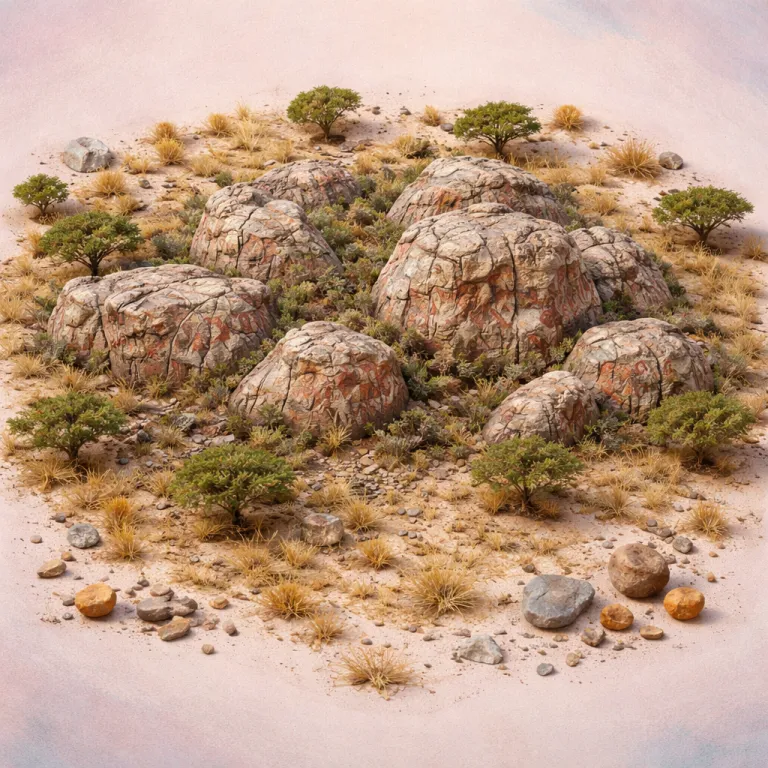
Tsodilo Hills sits on the northwestern edge of Botswana, a compact cluster of hills rising abruptly from the Kalahari Desert. For a solo traveler used to the soft linens and quiet plunge pools of Delta lodges, this ancient rock landscape feels like stepping into a different kind of safari, one where the subject matter is human memory rather than migrating herds. The tsodilo hills rock art turns the entire site into an open air archive, and the right hotel base lets you read it in comfort.
Archaeologists count more than 4,500 individual rock paintings spread across roughly 10 square kilometres, making Tsodilo one of the most concentrated heritage sites for rock art in Africa. The San people and later Bantu people used these hills as both home and spiritual canvas, leaving rock paintings that layer red paintings, white paintings and faint engravings over the same stone surfaces. When UNESCO granted Tsodilo Hills World Heritage status, it recognised not only the density of rock art but the ongoing relationship between the san bushmen communities and this sacred hill landscape in southern Africa.
For luxury travelers, the question is not whether the rock art is significant, but how to fold this heritage site into a high end Botswana itinerary without turning it into a rushed tick box. Tsodilo lies a few hours by 4x4 from Shakawe, itself a short hop by light aircraft from Maun, so the logistics are manageable if you plan hotel nights with care. Think of Tsodilo Hills as a two night cultural chapter after a week of mokoro based safari in the Okavango, a place where ancient rock and painted human figures quietly reframe everything you have just seen on the floodplains.
Reading the paintings: rhino trails, human figures and unanswered questions
Walk up the Male Hill at first light and the rock feels cool under your hand, the Kalahari air still soft before the heat builds. Your community guide will likely start on the Rhino Trail, where a panel of rock paintings shows a large painted rhino, antelope and human figures that seem to float between the animals, their exact subject matter still debated. Here the tsodilo hills rock art is not a single story but a palimpsest, with ancient rock engravings, red paintings and later white paintings layered across the same cliff face.
Archaeological digs below some panels have revealed Stone Age tools and hearths, evidence that people lived at the base of these hills long before they painted them. Experts date some of the oldest rock art to around 24,000 years ago, which is why “world’s oldest stories” is not marketing language but a literal description of the site’s time depth. As one official summary puts it, “What is the significance of Tsodilo Hills? It holds one of the highest concentrations of rock art globally.”
The famous Rhino Cave on the Female Hill is a short, steep walk, and your guide will point out the carved rock that some interpret as a giant painted snake or rhino form emerging from the stone. Around it, more rock paintings show animals, hunting scenes and stylised human figures, while other marks remain stubbornly opaque even to San elders. If you are linking this visit with the new Delta to Tsodilo ultra trail route, described in detail in our guide to from the Delta to Tsodilo Hills, the contrast between running past dunes in the Kalahari Desert and standing still before a single painted rhino is profound.
Where to stay: pairing Tsodilo Hills with premium lodges
There is no luxury hotel built directly on the hills themselves, and that is precisely what protects the integrity of this heritage site. Instead, high end travelers base themselves along the Panhandle of the Okavango or near Shakawe, choosing lodges that understand both safari logistics and the cultural weight of Tsodilo. From these riverfront properties, day trips or overnight excursions to the hills can be arranged with private vehicles, expert guides and properly timed walks.
Look for lodges that work transparently with San people and other local communities, not just flying in their own staff to tick the Tsodilo box. The best properties treat a tsodilo hills rock art excursion as a core cultural experience, pairing you with a guide who can explain why some white paintings are attributed to Bantu groups while many red paintings are linked to San artists. Ask directly how your stay supports heritage sites management, whether through guide training, museum funding or controlled access to sensitive rock art panels on the Male Hill and Female Hill.
Solo travelers often combine a few nights at a quiet Panhandle lodge with a longer stay deeper in the Delta, using the river base for both fishing and cultural excursions. If you are planning a wider regional journey through southern Africa, you might also pair Tsodilo with coastal downtime, using our curated overview of elegant coastal escapes in Mozambique to balance desert rock with Indian Ocean art and architecture. Whatever your route, prioritise properties that understand Tsodilo as more than a photo stop, and that schedule visits to avoid midday Kalahari heat on the exposed stone paths.
Walking the hills well: heat, pacing and honest guiding
Tsodilo is a walking experience, not a drive by, and the Kalahari Desert climate demands respect from even the fittest solo traveler. Start early, carry more water than you think you need and accept that the hills will dictate your pace, especially on the steeper sections of the Male Hill and Female Hill trails. The rock underfoot can be loose in places, so closed shoes, a wide brimmed hat and light long sleeves are more important here than the latest safari colour palette.
Hiring a local guide is non negotiable, both for navigation and for cultural context that no signboard can match. The best guides are often San bushmen or their descendants, people whose families have lived with these hills and whose stories turn anonymous rock art into specific narratives about animals, trance dances and waterholes. When you stand before a panel of rock paintings showing human figures, giraffe and a painted rhino, a good guide will explain how San people read movement, ritual and landscape into each line of art.
Ethical guiding also means knowing when not to step closer, when a fragile patch of ancient rock is better viewed from a respectful distance. Ask your lodge or booking platform which operators have formal partnerships with local communities and with the onsite museum, and avoid any offer that suggests off trail access to closed heritage sites. Between walks, the small museum near the base of the hills offers a concise overview of Stone Age occupation, pigment sources for red paintings and white paintings, and the broader role of Tsodilo in the cultural map of Botswana and southern Africa.
Resetting your safari narrative: from animal counts to human time
After several days of game drives, mokoro outings and wildlife checklists, many travelers feel a subtle fatigue, even in a place as extraordinary as Botswana. Tsodilo Hills shifts the focus from animal sightings to human stories, from the adrenaline of a lion encounter to the quiet of standing before a single painted rhino that has watched over this rock for millennia. The tsodilo hills rock art becomes a mirror, asking what it means for people to leave marks on stone and how our own travels will be remembered, if at all.
Solo explorers in particular tend to find the silence of the hills restorative, a counterpoint to the convivial rhythm of shared safari vehicles and lodge dinners. Walking between panels of rock art, you move through layers of time, from Stone Age hunters to San people, from Bantu farmers to modern archaeologists and heritage managers. The fact that this UNESCO heritage site sits within the broader Kalahari landscape of Botswana, rather than in a museum in Europe, reinforces the sense that Africa’s oldest stories are still being told where they began.
To keep that perspective alive, consider ending your trip with a slower Delta stay that emphasises reflection rather than activity, perhaps at a camp known for quiet channels and thoughtful guiding. Our feature on patient mokoro days on the Delta outlines how a simple glide through reeds can feel as meditative as tracing a line of rock art with your eyes. In the end, the real luxury is not the thread count of your sheets, but the way Tsodilo’s hills, stones and paintings recalibrate your sense of time across Botswana and southern Africa.
FAQ
How old are the rock paintings at Tsodilo Hills ?
Some of the tsodilo hills rock art dates back roughly 24,000 years, based on archaeological layers beneath certain panels. These earliest rock paintings belong to the Late Stone Age, while others are much younger and reflect later San people and Bantu communities. The result is a stacked timeline of art, with ancient rock engravings, red paintings and white paintings sharing the same cliff faces.
Who created the rock art at this heritage site ?
The majority of the rock paintings are attributed to San people, sometimes called san bushmen, whose descendants still live in parts of Botswana and southern Africa. Some white paintings, especially those with different styles and subject matter, are linked to Bantu groups who arrived later in the region. Together, these communities turned the hills into one of Africa’s most important cultural heritage sites.
What can I expect to see on a guided walk at Tsodilo Hills ?
On a typical guided walk you will visit sections of the Male Hill, Female Hill and sometimes the smaller Child Hill, depending on heat and fitness. Panels may show animals such as giraffe, eland and rhino, human figures in hunting or ritual scenes, handprints and more abstract art whose meaning is still debated. Your guide will also point out features like Rhino Cave, pigment sources in the surrounding stone and views across the Kalahari Desert.
How do I reach Tsodilo Hills from main safari areas in Botswana ?
Most luxury travelers fly to Maun, then connect by light aircraft to airstrips near Shakawe on the Okavango Panhandle. From there, lodges arrange 4x4 transfers of several hours to the Tsodilo Hills site, often as a full day excursion or overnight trip. Increasingly, travelers also combine Tsodilo with multi day routes such as the Delta to Tsodilo trail, which links wetland safari and desert hills in a single itinerary.
Is Tsodilo Hills suitable for solo travelers interested in culture and heritage ?
Tsodilo is particularly rewarding for solo travelers who value culture, archaeology and quiet walking days. The hills are compact enough to explore with a local guide in one or two days, yet rich enough in rock art and heritage stories to feel like a complete journey. Pairing Tsodilo with a few nights at a premium lodge in Botswana allows you to balance comfort, safari wildlife and deep time spent among some of the world’s most significant rock paintings.