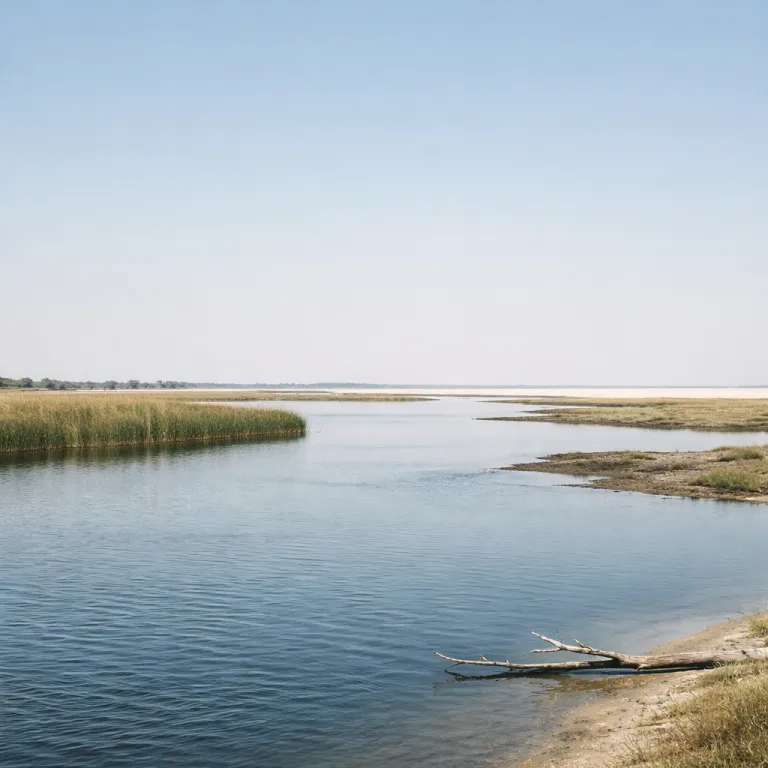
Why this Botswana 10 day itinerary works for couples
Think of this Botswana 10 day itinerary as four distinct chapters, each lodge earning its three nights. Those ten days in Botswana are structured so your energy, jet lag and curiosity rise together rather than collide on day three. For couples planning a first Botswana safari, this rhythm matters more than squeezing in one extra game drive.
The journey starts and ends in Maun, the small town that functions as the aviation hinge for the Okavango Delta and the wider game reserve network. Maun International Airport (MUB) is the main gateway, with safari flights departing from the adjacent light-aircraft terminal. A short hop from Maun on the first day drops you straight into water and wildlife, so the city noise falls away before dinner. Typical legs such as Maun to the Moremi area take around 25–35 minutes, with luggage usually limited to 15–20 kg per person in soft bags. From there, each transfer between lodges is short enough to feel like part of the tour, not a logistical chore that steals precious days.
Across the itinerary you will move from the Okavango Delta’s flooded channels to the predator-rich Moremi Game Reserve, then on to the drier Linyanti and Savuti sector of the Chobe system and finally the Makgadikgadi Pans. This sequence lets you experience different Botswana safari ecosystems without repeating the same game drives in slightly altered scenery. It also means every lodge and all the lodges’ activities feel complementary, whether you are on a private tour or sharing a vehicle with another couple.
Behind the scenes, specialist tour operator teams and local guides coordinate flights, transfers and park permits with quiet precision. Travelers, tour operators and local guides form a three-part structure that keeps the focus on wildlife and hospitality rather than paperwork. That structure is what turns a simple 10 day Botswana trip into a coherent safari circuit that feels effortless from the first mokoro glide to the last flight out.
Days 1–3: water heart of the Okavango Delta around Moremi
The opening three days place you in the Okavango Delta near the Moremi Game Reserve, at a luxury lodge where water is the main character. You arrive from Maun by light aircraft, the flight tracing green fingers of delta channels that spread across roughly 15 000 square kilometres. From above you already see why this part of Botswana is considered the gold standard for low-impact wildlife tourism.
Here the pace is gentle, ideal for couples shaking off long-haul fatigue on the first day. Morning and afternoon game drives are offered, but the signature experiences are mokoro canoe excursions and slow boat tours along reed-lined channels. It is not the game count, but the silence when the poler stops paddling and the delta listens, that sets the tone for the rest of your Botswana safari journey.
Because this is a private concession bordering the Moremi Game Reserve, your lodge can offer both water-based activities and flexible game drives. One day might start with a boat-based birding tour, while the next day Botswana shows you elephants swimming between islands and red lechwe splashing through shallows. A third day could be reserved for a longer game drive that skirts the reserve boundary, searching for lions that move between the national park and the concession.
Evenings lean into romance, with lantern-lit dinners and often a private table set near the water’s edge. For couples who care about atmosphere as much as sightings, this is where the Botswana 10 day itinerary quietly proves its worth. Lodges such as Xugana Island Lodge or Camp Moremi are good examples of how top properties choreograph each person day around light, sound and space, with bush sundowners, firelit decks and unhurried service. In this region, nightly rates for fully inclusive camps typically range from about US$800 to US$1 800 per person, depending on season and room category.
Days 4–6: Khwai community area and the bridge between water and dry land
On day four a short flight carries you northeast to the Khwai community area, a mosaic of floodplains, woodland and riverine channels that acts as a bridge between the Okavango Delta and the drier zones beyond. Flights from the Moremi airstrips to Khwai usually take 15–25 minutes, often routing via hubs such as Xakanaxa or Khwai River airstrip. The Khwai community manages this land, and staying here channels a portion of your Botswana safari spend directly into local hands. That community area structure is one reason many tour operators favour Khwai lodges for travelers who want both wildlife and impact.
Game drives intensify here, with more time spent in vehicles and less on boats, though some lodges still offer mokoro outings when water levels allow. The Moremi Game Reserve boundary lies close, and many lodges arrange full-day game drives that cross between concession and reserve, maximising your chances of seeing predators. One day might be devoted to a private tour into the reserve, while another day Botswana reveals wild dogs trotting through the community area at dusk.
Accommodation in Khwai ranges from intimate tented camp options to more substantial luxury lodges with pools and spa tents. For couples, a tented camp with only a handful of rooms often feels like the right balance between comfort and immersion, especially when game drives leave straight from your canvas front step. Whether you choose a tented camp or a more built lodge, ask how many vehicles share each sighting and how flexible the game drive schedule will be.
This middle section of the Botswana 10 day itinerary is also where you feel the conservation story most strongly. Guides talk openly about how the Khwai community balances grazing, tourism and wildlife corridors, and how eco-friendly lodges reduce their footprint. Properties such as Khwai River Lodge or Sable Alley illustrate how solar power, low-impact building and community employment shape daily operations, and how the flood pulse influences everything from lodge design to activity planning. Expect nightly rates here to fall broadly between US$650 and US$1 500 per person on an all-inclusive basis.
Days 7–8: Linyanti and Savuti Chobe for dry zone drama
By day seven you are ready for a change of texture, so the itinerary swings north towards the Linyanti and Savuti Chobe region. Another short flight reveals the shift from wetlands to a more open, drier landscape where waterholes become magnets for wildlife. Typical light-aircraft legs from Khwai to Linyanti or Savuti airstrips take around 30–45 minutes, depending on routing. This is where game drives feel more cinematic, with dust, long views and the sense that anything might appear on the horizon.
The Linyanti and adjacent Savuti Chobe sector sit within the greater Chobe National Park ecosystem, though you are usually based in private concessions rather than the busier core of the national park. That means fewer vehicles at sightings and the option for off-road game drives, which can be crucial when following lions or wild dogs. One day might focus on the famous elephant herds that move between the Linyanti channels and Chobe National Park, while another day Botswana offers leopard tracks that your guide patiently unspools.
Lodges here tend to lean into classic safari aesthetics, with canvas, timber and wide decks overlooking floodplains or channels. A luxury lodge in this region will usually include at least two long game drives per person day, plus the option of a night drive to search for nocturnal wildlife. If you prefer a more intimate feel, choose a tented camp with fewer rooms and ask your tour operator to secure a private vehicle for at least one full day.
Some couples choose to add a side trip to Victoria Falls or even a city break in Cape Town, South Africa after this section, using nearby airports such as Kasane (BBK) as springboards. That can work, but it slightly dilutes the quiet finale planned for the last two days of this Botswana 10 day itinerary. For travelers who want urban contrast, a later stay in Gaborone or Francistown, using curated city escape hotel guides, often pairs better with the desert calm of the pans. In Linyanti and Savuti, fully inclusive nightly prices typically range from about US$900 to US$2 000 per person, reflecting the remoteness and high game density.
Days 9–10: Makgadikgadi pans contrast and when to add Maun
The final two days pivot south to the Makgadikgadi Pans, where the visual register flips from delta greens to salt pan whites. A light aircraft flight from Linyanti or Savuti Chobe usually routes via Maun, which is where you might add a town night if connections are tight. Staying in Maun between flights can also appeal to travelers who want a brief reset in a simple lodge before the desert chapter.
On the pans, the focus shifts from dense game to space, silence and unusual wildlife. Daytime activities might include quad biking across the crusted surface in the dry season, guided walks with San trackers or drives to see meerkats standing sentry on their mounds. At night, some luxury lodges offer sleep-outs on raised platforms, turning each person day into a private tour of the southern sky.
Because the Makgadikgadi sits outside the main Okavango Delta and Chobe National Park circuits, it gives the Botswana 10 day itinerary a sense of completion rather than repetition. You have moved from water to woodland to dry savanna and finally to near-lunar flats, touching several of Botswana’s key ecosystems in a single, coherent arc. That arc aligns with the country’s broader goals of wildlife observation, cultural immersion and adventure experiences, all delivered through eco-friendly lodges and carefully managed game reserves.
As you fly back to Maun on the final day, the patterns of pans, river and delta stitch together beneath the wing. The trip has covered roughly ten days, several national parks and community areas, and a spectrum of lodges from tented camp simplicity to high-end luxury. It is also the moment to start thinking about your next visit, whether that means returning in the green season or exploring a different corner of Botswana’s protected areas. In the Makgadikgadi region, fully inclusive camps generally cost from around US$700 to US$1 600 per person per night, with seasonal specials sometimes reducing shoulder-season rates.
How to choose lodges, plan flights and work with a tour operator
Choosing the right lodges for this Botswana 10 day itinerary starts with being honest about how you like to travel. If you value privacy above all, ask your tour operator to prioritise smaller lodges where a private vehicle and flexible game drives can be arranged. Couples who enjoy meeting other travelers might prefer slightly larger lodges, where shared game drive vehicles still carry only four to six guests.
When comparing options, look beyond the word luxury and focus on location, activity mix and guiding depth. A lodge inside or bordering a game reserve such as the Moremi Game Reserve or Chobe National Park will usually offer stronger wildlife density, but a community area concession can provide more cultural interaction. In Khwai, for example, staying in the Khwai community area means your spend supports local governance while still delivering excellent game viewing.
Flights are the skeleton of any Botswana safari, and your tour operator should map each light-aircraft leg clearly before you commit. Ask how long each flight will take, whether luggage is restricted to soft bags and how delays are handled if weather closes a delta airstrip for part of the day. Clarifying these details early prevents stress later, especially when you are connecting from long-haul flights via hubs such as Johannesburg or Cape Town in South Africa.
For travelers who want to pair wild days with a refined city stay, it is worth reading a guide to premium hotel booking for discerning travelers in Botswana’s towns and cities. That kind of resource helps you match safari lodges with urban hotels that share a similar standard of service and design. Taken together, thoughtful lodge selection, clear flight planning and a trusted tour operator turn a simple list of days into a Botswana 10 day itinerary that feels both seamless and deeply personal.
FAQ
What is the best time to follow this Botswana 10 day itinerary ?
The most reliable period for this Botswana 10 day itinerary runs from May to October, which is the dry season. During these months wildlife concentrates around remaining water sources in the Okavango Delta, Moremi Game Reserve and Chobe National Park. Roads are generally more accessible, and light aircraft flights are less likely to be disrupted by storms.
Do I need a visa for Botswana when arriving in Maun ?
Visa requirements for Botswana depend entirely on your nationality and passport. Many travelers from Europe and parts of North America, including citizens of the UK, Germany, France, Canada and the United States, receive visa-free entry for short tourist stays, while others must apply in advance. Always confirm the latest rules with the nearest Botswana embassy or consulate before booking flights.
Is malaria a concern on this Botswana safari route ?
Malaria is present in northern Botswana, including the Okavango Delta, Moremi, Khwai and Chobe regions featured in this itinerary. Travelers should consult a medical professional about prophylactic medication and use insect repellent, long sleeves and nets provided by lodges. Risk levels vary by season, but precautions remain advisable throughout the year.
Why do you recommend three nights per lodge instead of moving daily ?
Staying three nights at each lodge allows time for your body clock to adjust, for guides to understand your interests and for varied activities such as game drives, mokoro outings and walks. Moving every day or two often leads to fatigue, rushed transfers and repeated safety briefings instead of relaxed exploration. With three nights, each location in the Botswana 10 day itinerary becomes a chapter rather than a blur.
Can I add Victoria Falls or Cape Town to this Botswana 10 day itinerary ?
Many travelers extend their trip with a visit to Victoria Falls or a city stay in Cape Town, South Africa, either before or after the safari. The most seamless option is usually to add these segments at the end, once you have completed the Maun-based circuit through the delta, Khwai, Linyanti and Makgadikgadi. Your tour operator can advise on flight connections and how many extra days to allocate to each add-on.
What practical steps should I take before flying to Botswana ?
Before departure, confirm malaria prophylaxis with a travel clinic, check that your passport has at least six months’ validity and two blank pages, and verify visa rules for your nationality. Pack soft-sided luggage that meets light aircraft limits, neutral clothing, a warm layer for winter mornings, a wide-brimmed hat and any prescription medication in original packaging. Finally, keep your tour operator’s 24-hour emergency contact handy so you can reach them quickly if a flight delay or missed connection affects your safari schedule.