Kwetsani camp in the Okavango Delta: a quieter kind of rebuild
Kwetsani camp sits deep in the Okavango Delta of Botswana, raised high on stilts above reed beds and delta waters. The recent ground up rebuild of this intimate camp in the Jao Concession shows exactly where high end Botswana safari design is heading, with lighter structures, closed loop systems and a deliberate refusal to add more suites. When travelers search for “kwetsani camp okavango delta 2026”, what they are really asking is how this reimagined island refuge balances wilderness, comfort and conservation in one of Africa’s most sensitive wetlands.
The Kays family, who own and operate the wider Jao Reserve in partnership with Wilderness, chose to keep Kwetsani camp small, with just five guest suites including a generous family option that sleeps up to four. Elevated timber walkways thread through palm and mangosteen trees, allowing wildlife to pass freely underneath while guests move between the main camp, the bar and their canvas and wood suites. This is not a camp Botswana built to chase volume; it is a camp designed to keep the Okavango Delta waters, the wildlife and the human footprint in a workable equilibrium.
Original Kwetsani stood for more than two decades, and many repeat guests worried that a full rebuild might erase its character. Instead, the new Kwetsani camp leans into the same island feel, only with fully solar powered infrastructure, closed loop water treatment and low VOC finishes that respect both guests and the surrounding wilderness. For couples planning a Botswana safari and comparing camps across delta Botswana, the reimagined Kwetsani offers a clear answer to why smaller, quieter camps are increasingly the benchmark for serious safari experiences.
Design on stilts: how Kwetsani lets the delta keep moving
Walk the length of Kwetsani camp and you barely touch the ground, because every structure stands on timber stilts above the Okavango Delta floodplain. This elevated design allows seasonal water levels to rise and fall beneath the camp, while herds of red lechwe and other wildlife move through the reeds without fences or earthworks. In practical terms, it means the rebuilt Kwetsani camp Okavango sits lightly on its island, with the Delta Okavango continuing its own slow choreography below.
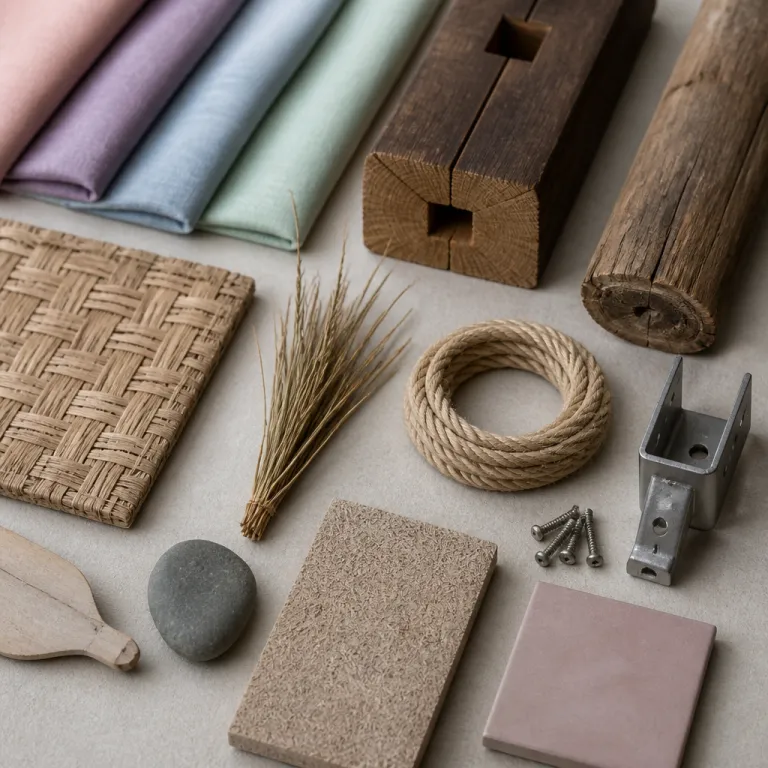
Interior designer Tiffany Riley, daughter of owners Cathy and David Kays, is widely credited with shaping the new look and has used canvas, wood and woven textures to keep the suites open to the wilderness but better insulated against heat and cold. The result is a camp Okavango that feels both more refined and more efficient, with solar power, greywater management and sustainably sourced timber working quietly in the background. Elevated decks in each suite frame the Okavango Delta waters, so couples can watch wildlife viewing unfold from bed, from the sofa or from a private outdoor seating area.
Because the structures are raised, wildlife passage is maintained beneath the walkways, which is critical in a game reserve that depends on free movement between the Jao Concession, nearby Moremi game areas and the broader Delta Botswana ecosystem. Mokoro excursions and other water activities leave from channels close to camp, while small group game drives head out to Hunda Island when water levels allow. For families considering mokoro time with younger travelers, the thoughtful pacing of these excursions pairs well with the kind of slow, patient guiding described in our piece on mokoro for kids and the patient poler.
From mokoro to Hunda Island: safari activities shaped by water
Life at Kwetsani camp is dictated by water, because this part of the Okavango Delta is a classic mixed habitat of floodplains, channels and tree lined islands. When the delta waters are high, the focus shifts to mokoro excursions, boating and slow water activities that bring you eye level with frogs, kingfishers and the occasional elephant crossing. As water levels drop later in the season, game drives expand across Hunda Island, turning Kwetsani into one of the most versatile camps for year round safari experiences in this corner of Botswana.
Guides here understand that it is not just about the game count, but about the silence when the mokoro poler stops paddling and the delta listens. Small group game drives from Kwetsani camp explore floodplains where red lechwe splash through shallows, and woodlands where predators move between the Jao Concession and the Moremi game ecosystem. Night drives are not the focus; instead, the camp leans into long, unhurried daylight drives and extended coffee stops that suit couples who prefer depth over checklist safaris.
Back in camp, evenings are deliberately low key, with lanterns, good wine and a focus on the sounds of the wilderness rather than loud entertainment. If you enjoy the theatre of dining on safari, you will recognise the same sensibility we highlight in our guide to bush sundowners and lantern lit tables. The rebuilt Kwetsani camp Okavango Delta 2026 era is less about grand statements and more about the quiet luxury of space, attentive guiding and the feeling that the island, the water and the wildlife are setting the pace.
Booking Kwetsani: what couples need to know before confirming
For couples planning a Botswana safari, Kwetsani camp is best thought of as a water based lodge with strong access to land based game drives on Hunda Island. This means that your safari experiences will shift with the season, and you should speak clearly with your travel planner about whether you want more water activities or more traditional drives. In high season, when the Okavango Delta floods are at their peak, Kwetsani becomes one of the most atmospheric camps in Africa for mokoro safaris, birding and watching wildlife move through the delta waters below your suite.
Rates at Kwetsani camp are typically quoted in USD per person per night, and they sit firmly in the premium bracket for camp Botswana stays in the Okavango. As a broad guide, many operators price it in the region of USD 1,500–2,500 per person per night in peak months, usually including flights from Maun or Kasane and most activities. When comparing options like Camp Okavango, Chitabe and other camps in Delta Botswana, remember that Kwetsani’s five suite layout and fully solar powered systems mean fewer guests sharing the same channels and game drive vehicles.
Because space is limited, you should book well ahead for peak season, especially if you want the two bedroom family suite or specific dates for a romantic celebration. Typical access involves a light aircraft hop of around 30–45 minutes from Maun to the Jao airstrip, followed by a short boat or game drive transfer into camp, depending on water levels. Our wider guide to Botswana romantic luxury hotels sets Kwetsani alongside other standout camps across Botswana, from Moremi game reserves to drier Kalahari landscapes.
What Kwetsani signals about the future of Botswana’s low volume safaris
The way Kwetsani camp has been rebuilt tells you a great deal about where Botswana safari design is heading under the country’s low volume, high value model. Instead of adding more suites or heavier structures, the Kays family and their équipe have doubled down on elevated walkways, canvas and wood suites, and fully solar powered systems that keep the camp’s footprint small. This approach respects the fact that the Okavango Delta is a living system, where water levels, wildlife movements and the health of the wider game reserve are more important than squeezing in extra beds.
Eco friendly tourism is not a marketing line here; it is built into the way greywater is treated, how wildlife passage is maintained beneath the stilts and how the camp connects to the rest of the Jao Concession. The owners have been clear that the goals of the rebuild were to honour the camp’s history, improve guest comfort and reduce environmental impact, and the expected impact is an enhanced guest experience with a minimal environmental footprint. In practice, that means quieter generators, cleaner water treatment, and a camp that feels more like part of the wilderness than an imposition on it.
For travelers, the message is simple: the future of luxury camps in Botswana, from Kwetsani to Chitabe and beyond, lies in doing more with less, and in designing safari experiences that work year round without overwhelming fragile habitats. When you choose a place like Kwetsani camp Okavango Delta 2026 style over a larger property, you are buying into a model where conservation, guest experience and long term viability are all weighted equally. That is the direction in which the best camps in Africa are quietly, deliberately moving.
FAQ
What activities are available at Kwetsani camp in the Okavango Delta ?
What activities are available at Kwetsani Camp? Mokoro excursions, game drives, and birdwatching. These core activities are complemented by relaxed boat outings when water levels allow, and unhurried wildlife viewing from elevated decks in camp. The balance between water based outings and land based game drives shifts with the season, so you should confirm likely conditions for your travel dates.
Is Kwetsani camp suitable for families as well as couples ?
Is Kwetsani Camp suitable for families? Yes, it offers a large family suite with two en-suite bedrooms. The elevated walkways, attentive guiding and flexible activity planning make it a strong option for multi generational trips, provided children are comfortable with a quiet, nature focused environment. Families who value privacy and a small camp atmosphere tend to find Kwetsani particularly rewarding.
How does Kwetsani manage sustainability and conservation in the Jao Concession ?
How does Kwetsani Camp ensure sustainability? Operates on fully solar-powered infrastructure. Beyond solar, the camp uses closed loop water treatment, careful greywater management and sustainably sourced timber to reduce its footprint in the Okavango Delta. Elevated structures allow wildlife to move freely beneath the camp, supporting broader conservation goals in the Jao Concession and adjacent game reserve areas.
When is the best season to visit Kwetsani for water based safaris ?
The best period for water focused safari experiences at Kwetsani usually coincides with the annual Okavango Delta flood, when channels fill and mokoro excursions can run directly from near camp. During this high season, guests can expect extensive water activities, strong birding and classic views of red lechwe moving through the shallows. Shoulder months often offer a balanced mix of boating, mokoro trips and game drives on Hunda Island.
How does Kwetsani compare with other camps like Chitabe or Camp Okavango ?
Kwetsani is a small, elevated camp in the Jao Concession with a strong emphasis on mixed water and land activities, while Chitabe sits in a drier, predator rich area closer to the Moremi game ecosystem. Camp Okavango, by contrast, is more purely water based, with fewer opportunities for extended game drives. Couples choosing between these camps should decide whether they prefer a primarily water based Botswana safari, a land focused big game experience, or the hybrid model that defines Kwetsani camp in the Okavango Delta.