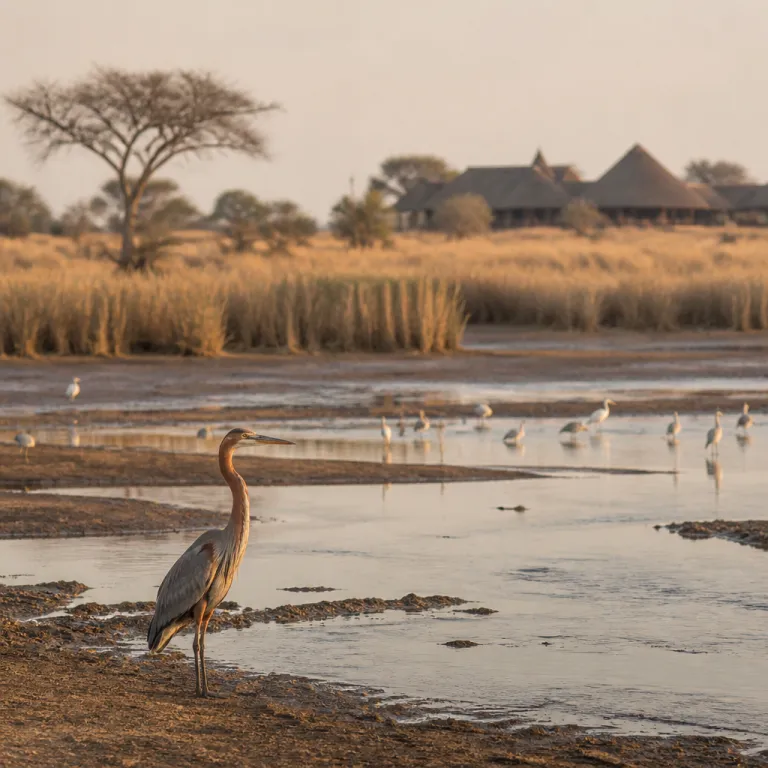
Why June turns Botswana birding into a dry season obsession
June in Botswana is when birding stops being a sideshow and becomes the main safari story. As the dry season settles over the Okavango Delta and the wider Botswana safari circuit, shrinking water channels pull birds and mammals into the same concentrated arenas, creating an intensity that many guests quietly rate as the best time to travel. This is the month when the light is clean, the air is cool, and every patch of water feels like a private stage.
From early June the season shifts from the lush green season of the rainy months to a more austere palette, and that change rewrites how serious birders use their time visit Botswana. Summer migrants such as woodland kingfisher and European bee-eater begin to thin out while winter visitors including steppe eagle and pallid harrier arrive, so your birding Botswana checklist pivots from breeding plumage drama to subtle behaviour, territorial calls, and dense mixed flocks along the remaining water. Lodges that understand this time of year adjust game drives and boat departures to the exact month and even the specific week, chasing peak birding windows rather than only big game viewing.
Guides across Africa know that June to October during the dry season is widely regarded as the best time for birdwatching in Botswana, and the country’s roughly 500 regularly occurring species, documented by BirdLife Botswana and eBird contributors, give that claim real weight. The context is simple yet powerful; the dry season concentrates bird populations near water sources, so every lagoon, backwater, and flooded pan in the Okavango becomes a magnet. For travellers using a luxury booking platform, the real advantage is being able to filter camps by their birding focus, their access to water based activities, and their proximity to key game reserve and national park habitats that shine at this time year.
Okavango Delta and Moremi: water, wings and winter light
The Okavango Delta in June is a paradox that every serious Botswana birding enthusiast learns to love. While most of Botswana is entering the dry season, the delta itself is filling with floodwater from Angola, so water levels rise just as the surrounding land dries, creating a mosaic of channels and islands that concentrate both game and birds. Hydrology records from the Okavango basin show peak inflows typically arriving between May and July, which explains why water based safaris feel so productive at this time of year and why a carefully chosen luxury camp with strong guiding can turn a standard Botswana safari into a focused birding Botswana expedition.
Top species in June — Okavango and Moremi
In Moremi Game Reserve, on the eastern edge of the Okavango Delta, game drives at this time of year often start in near freezing temperatures and end with warm, dust lit afternoons, a contrast that keeps both birds and photographers alert. Early morning is the best time for herons, kingfishers, African fish eagles, and saddle-billed storks along the water, while late afternoon brings raptors riding thermals and flocks of red-billed queleas erupting over the reeds. June checklists here often feature wattled crane, slaty egret, African skimmer, and malachite kingfisher, and many of the most rewarding camps limit guest numbers, offer specialist birding guides on request, and design flexible schedules so you can swap a traditional big game drive for a slow, bird focused circuit along the floodplains.
Boat safaris, mokoros and expert guiding
Boat safaris and mokoro excursions are the signature activities in this part of Botswana, and in June they become precision tools for Botswana birding rather than just scenic outings. When the guide cuts the engine or the poler stops paddling, the silence lets you pick out calls from rails, crakes, and shy rallids hidden in the papyrus, while distant elephant and other game add a low soundtrack. One long-serving Okavango guide summarises the appeal simply: “In June the water is high, the air is clear, and every bend in the channel can add a new species to your list before breakfast.” If you are weighing a pure delta stay against combining it with other regions, study specialist reviews and resources such as this deep dive into what a true delta resort in Botswana means, with tented suites, water views, and hippos by the pool, at resort style camps in the Okavango Delta.
Chobe, Makgadikgadi and Nata: dry country, full checklists
Move north and east from the Okavango and the character of the dry season shifts again, giving Botswana birding in June a very different flavour. Around Chobe National Park and the Chobe riverfront, the lack of rain and falling water levels pull both game and birds to the river, turning every boat cruise into a layered spectacle of elephants crossing, fish eagles calling, and bee eaters working the banks. This is classic Africa safari country, yet in June the sharp light and cooler temperatures make it easier to stay out longer and focus on detailed bird behaviour rather than just ticking species.
Key June birds — Chobe and riverfront
Luxury lodges along the Chobe river and in the wider Chobe national area increasingly recognise that birding Botswana is not only for specialists, so they train guides to balance game viewing with serious avian interpretation. Morning game drives might start with lions on the move but often end with a quiet hour at a backwater, scanning for African skimmer, rock pratincole, African openbill, and raptors that thrive in the dry season months. June sightings regularly include carmine and white-fronted bee-eaters, African jacana, and various lapwings, and many itineraries now pair Chobe with a side trip to Victoria Falls, giving travellers a contrasting wet season microclimate and a different set of species within the same time year.
Makgadikgadi pans and Nata Bird Sanctuary
Further south and east, the Makgadikgadi pans and Nata Bird Sanctuary offer a more minimalist landscape, yet June can still deliver strong birding when residual water lingers in key basins. Flamingos, pelicans, and other water associated species may be more numerous in the green season, but dry season visits reward you with clear views, fewer vehicles, and a sense of space that suits patient scanning. Species such as chestnut-banded plover, Kittlitz’s plover, Caspian plover, and various sandgrouse are regularly recorded here in winter, and when choosing where to stay, use curated tools such as the guide on how to match the camp to the traveller, not the other way around, at matching the camp to the traveller in Botswana, and look for properties that explicitly mention birding, flexible game drives, and access to both river and pan ecosystems.
Planning a June birding safari: lodges, logistics and gear
For a June focused Botswana safari built around birds, the most important decision is not which national park to visit, but which lodge takes birding as seriously as big game. Some properties in the Okavango Delta, Chobe, and the Central Kalahari offer specialist birding guides, extended drives, and the option to swap a standard afternoon game drive for a boat or walking safari tailored to your target species. Others are better suited to casual watchers who want birds as a graceful backdrop to more conventional game viewing.
Micro seasons, timing and sample itineraries
When you plan your time visit Botswana, think in terms of months and micro seasons rather than a single dry season label, because April, June, and August each feel different in the field. June sits at a sweet spot between the last echoes of the rainy season and the height of the peak season, with comfortable temperatures, clear skies, and fewer mosquitoes, which makes long hours on game drives or in hides far more pleasant. A typical ten day June itinerary might spend four nights in the Okavango Delta, three in Chobe, and three around the Makgadikgadi pans, giving you exposure to floodplains, riverfront, and salt pan habitats in one trip.
Gear checklist and eco friendly choices
On the practical side, pack binoculars, a field guide, and a camera as your core tools, and remember that early morning temperatures can be close to freezing even when afternoons feel warm. Lodges and tour operators increasingly use eco friendly transportation and work with conservation organisations to ensure that both game and birds benefit from the growing interest in birding Botswana experiences. As one local resource puts it without embellishment, “What is the best time for birdwatching in Botswana? June to October during the dry season.” Many operators now share their bird lists openly, drawing on long term records from BirdLife Botswana and eBird summaries to help guests understand what is realistically possible in a given week.
FAQ
Is June really the best time for birding focused safaris in Botswana?
June is widely regarded as the start of the prime birding period in Botswana because the dry season concentrates birds near remaining water while temperatures stay comfortable. You still see a mix of resident species and some migrants, and guiding teams can spend longer in the field without heat stress. For many travellers, this balance of conditions makes June the best time of the year for a birding centred Botswana safari.
Which regions should I prioritise for June birding in Botswana?
The Okavango Delta and Moremi Game Reserve are top choices in June because rising floodwaters attract large numbers of water associated birds alongside excellent game viewing. Chobe National Park and its riverfront also perform strongly as the dry season pushes wildlife to the river, creating rich mixed sightings from both boats and vehicles. For a more minimalist but rewarding landscape, consider adding Makgadikgadi and Nata Bird Sanctuary to your itinerary.
Do I need a specialist birding guide, or are regular safari guides enough?
Many regular safari guides in Botswana are strong all round naturalists, but serious birders often benefit from lodges that offer specialist birding guides on request. These experts know seasonal movements, micro habitats, and calls in detail, which matters during a focused dry season trip. When booking, ask your lodge or tour operator specifically about birding expertise and how they structure game drives for keen birdwatchers.
What should I pack for a June birdwatching trip in Botswana?
Essential items include quality binoculars, a regional field guide, and a camera suited to low light and moderate distance work. June mornings can be cold, so bring warm layers, gloves, and a beanie, then add sun protection and insect repellent for later in the day. Soft bags are preferred on light aircraft transfers, and a simple notebook helps you track birding Botswana sightings across different parks and months.
Are guided birdwatching tours and eco friendly options easy to find?
Guided birdwatching tours are widely available through local tour operators and high end lodges, many of which now design specific birding Botswana itineraries for the dry season. A growing number of properties use eco friendly transportation, support conservation projects, and limit vehicle density to protect both birds and game. When you book, look for clear commitments to conservation, small group sizes, and flexible schedules that prioritise time in the field over rigid timetables.