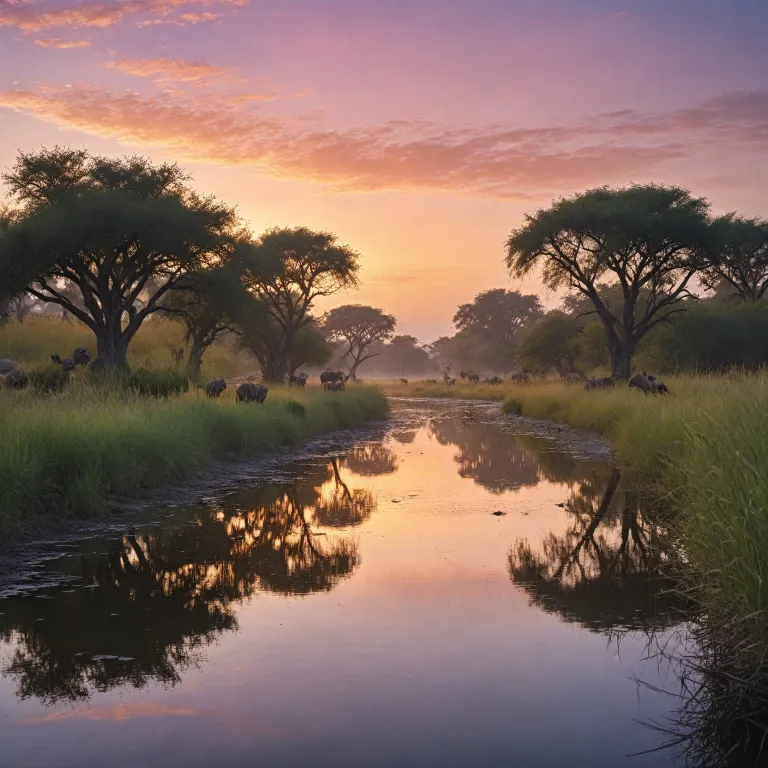
Okavango delta beauty and the art of choosing your stay
The Okavango Delta beauty lies in its shimmering water channels and emerald islands. In this inland delta, the Okavango river fans into a vast wilderness area, creating a rare wetland sanctuary in northern Botswana. For travellers comparing luxury and premium hotels, understanding this area is the first step to a meaningful safari.
UNESCO recognises the Okavango Delta as a World Heritage Site, and this status underlines its ecological value and strict conservation rules. The permanent swamps cover about 6 000 km², while the seasonally flooded area extends over roughly 12 000 km², so distances between camps and hotels can be significant. When you plan where to stay, consider how close you wish to be to prime wildlife viewing, water activities, and airstrips for easy access.
Luxury properties in delta Botswana often sit on private concessions, which allow off road game drives and night safaris. These concessions limit visitor numbers, so visitors enjoy high levels of privacy and a strong sense of immersion in the wilderness area. Premium hotels closer to Maun or on the fringes of the Okavango may offer easier logistics, yet they sometimes require longer transfers to reach the best wildlife viewing zones.
Across the Okavango Delta, more than 1 000 plant species and hundreds of bird species support a rich food chain. This biodiversity shapes the character of each lodge, from water focused retreats to camps near dry land game reserve habitats. When you compare options, ask how each property’s location within the delta offers a specific type of Okavango delta beauty.
Water levels, seasons, and how they shape your safari experience
In the Okavango, water levels define almost every aspect of a stay. Seasonal flooding usually peaks in the middle of the dry season, when the Okavango river brings life to the delta’s channels lagoons and floodplains. Understanding this rhythm helps visitors choose the best season and the right mix of water and land based activities.
From June to August, wildlife viewing is exceptional because animals concentrate around shrinking water sources on the surrounding plains. During this period, a delta safari often combines boat excursions, traditional mokoro outings, and classic game drives on firm ground. Many safaris offer both perspectives, allowing guests to explore delta landscapes from reed level and from open vehicles in a single stay.
In the greener months, the area transforms into a lush mosaic of water and grassland. Water levels can be higher in some channels lagoons, so properties with strong boating operations and tented camps on raised walkways become especially appealing. If you plan African safari Botswana journeys for luxury stays, align your dates with the activities you value most, whether that is slow water based exploration or long dry land drives.
Because the Okavango Delta beauty is dynamic, no two seasons feel the same. Some visitors return in different seasons to explore delta contrasts between crisp winter mornings and stormy summer skies. When you compare hotels, ask how their location responds to changing water levels and which months they consider the best for their specific style of safari.
Wildlife, habitats, and choosing between land and water focused camps
The Okavango Delta beauty is inseparable from its wildlife, which thrives across islands, floodplains, and papyrus lined channels. More than 130 mammal species and 480 bird species live in this intricate ecosystem, supported by the Okavango river’s annual flood pulse. For travellers, the key decision is whether to prioritise land based game drives, water activities, or a balanced combination.
Areas bordering the Moremi Game Reserve and neighbouring private concessions are renowned for big game. Here, game drives often reveal elephants, lions, leopards, and wild dogs, while bird species such as African fish eagles patrol the skies. Some tented camps and premium lodges near Moremi Game focus on intensive game drives, with expert guides tailoring each drive to current wildlife movements.
Further into the delta, water levels and channels lagoons become the defining features. Camps in these zones highlight the meditative pace of traditional mokoro excursions, where guests glide silently past reed beds and watch smaller animals at the water’s edge. Properties such as an elegant safari retreat in the Okavango Delta emphasise this water based intimacy, pairing it with high levels of comfort and attentive service.
Many delta offers combine both land and water, giving visitors a wide variety of experiences in a single itinerary. When you explore delta options, consider splitting your stay between a land rich game reserve setting and a water focused island camp. This approach reveals different layers of Okavango delta beauty and ensures that both large animals and delicate bird species feature in your safari memories.
Luxury, privacy, and service levels in Okavango accommodation
In Botswana’s Okavango, luxury is defined less by marble lobbies and more by space, silence, and attentive service. Many high end properties limit guest numbers to preserve the wilderness area and maintain low impact operations. This approach creates high levels of privacy, where visitors may share sightings with only a few other guests during game drives.
Top tier lodges and tented camps in delta Botswana usually include all meals, drinks, and safari activities in their rates. Safaris offer twice daily game drives, guided walks where permitted, and water based excursions when water levels allow. The best properties employ highly trained guides who interpret animal behaviour, explain the role of each species, and connect guests to the broader conservation story.
Service in these remote areas relies on strong local teams who understand both the environment and guest expectations. Many camps partner with community trusts, ensuring that tourism revenue supports local schools, clinics, and conservation projects. This model strengthens the link between Okavango delta beauty, wildlife viewing, and long term protection of the area’s animals and habitats.
For travellers comparing luxury and premium options, pay attention to room count, guide to guest ratios, and the flexibility of daily schedules. Some intimate camps can adjust activities to individual interests, whether that is focusing on rare bird species or extending a drive to follow a hunting pride. Others offer a more structured programme, which may suit visitors who prefer clear routines and shared experiences with fellow safari enthusiasts.
Planning multi stop safaris and connecting regions in southern Africa
Many travellers pair the Okavango Delta beauty with other iconic safari regions to create a layered journey. Within Botswana, it is common to combine the Okavango with the drier landscapes of the Kalahari or the elephant rich Chobe area. Each region highlights different species and habitats, so a multi stop itinerary deepens your understanding of southern Africa’s wildlife.
Some visitors extend their trip beyond Botswana to include neighbouring countries. For example, a stay at a refined lodge in South Africa can complement the water rich Okavango with a different style of game reserve experience. This contrast between delta safari settings and more traditional savannah reserves reveals how varied safaris offer can be across the region.
When planning, consider flight connections between Maun, regional hubs, and your chosen wilderness area. Light aircraft transfers are common in delta Botswana, and they provide striking aerial views of the Okavango river, islands, and channels lagoons. Work with a specialist who understands seasonal water levels, park regulations, and the privacy policy requirements of different operators.
National Geographic and other partners have long highlighted the Okavango as a global conservation priority. Their work, alongside the Botswana government and local communities, helps ensure that visitors can explore delta landscapes responsibly. By choosing lodges with strong environmental credentials and transparent privacy policy statements, you support the long term protection of this unique inland delta.
Practical booking insights for premium stays in the Okavango
Securing the right hotel or camp in the Okavango requires early planning, especially in peak season. Many of the best properties have limited rooms, and high demand for prime wildlife viewing periods means they fill quickly. Booking well in advance ensures access to preferred tented camps, specific room categories, and tailored activities.
When comparing options, look beyond headline rates to understand what each delta safari package includes. Some delta offers cover charter flights, park fees, and a wide variety of activities, while others price these elements separately. Clarify whether game drives, traditional mokoro outings, and boat trips are included, and ask how water levels at different times of year may affect the programme.
It is also important to review each operator’s privacy policy and sustainability commitments. Reputable companies explain how they handle guest data, but they also outline how they minimise environmental impact in this sensitive wilderness area. This transparency aligns with the broader conservation goals that keep the Okavango delta beauty intact for future visitors.
Finally, consider your own priorities regarding comfort, adventure, and cultural engagement. Some travellers prefer ultra luxurious suites with plunge pools overlooking the Okavango river, while others value simpler tented camps that maximise time on game drives. Whatever your choice, ensure that the property’s style, activities, and guiding philosophy match the way you wish to explore delta landscapes and connect with Botswana’s remarkable wildlife.
Key statistics that highlight Okavango delta beauty
- Area of permanent swamps in the Okavango Delta : approximately 6 000 km².
- Area of seasonally flooded grassland in the Okavango Delta : approximately 12 000 km².
- Recorded plant species in the Okavango Delta : about 1 061 species.
- Recorded bird species in the Okavango Delta : about 482 species.
- Recorded mammal species in the Okavango Delta : about 130 species.
Essential questions about visiting the Okavango Delta
What makes the Okavango Delta unique?
The Okavango Delta is unique as one of the few large inland delta systems without an outlet to the sea, creating a diverse and dynamic ecosystem. This unusual geography allows the Okavango river to spread across the Kalahari sands, forming a vast wilderness area rich in wildlife. For visitors, this means an exceptional combination of water based and land based safari experiences in a single destination.
When is the best time to visit the Okavango Delta?
The best time to visit is during the dry season from June to August, when wildlife congregates around water sources, making it ideal for viewing. During these months, water levels in the inner delta are often high, so guests can enjoy both game drives and water activities. However, other months also offer rewarding experiences, especially for bird species and dramatic skies.
What wildlife can be seen in the Okavango Delta?
The delta is home to a variety of wildlife, including elephants, lions, cheetahs, wild dogs, and numerous bird species. In areas near Moremi Game Reserve and private concessions, game drives frequently reveal large mammals alongside smaller, elusive species. Water rich zones highlight aquatic animals, wading birds, and the subtle interactions that define Okavango delta beauty.