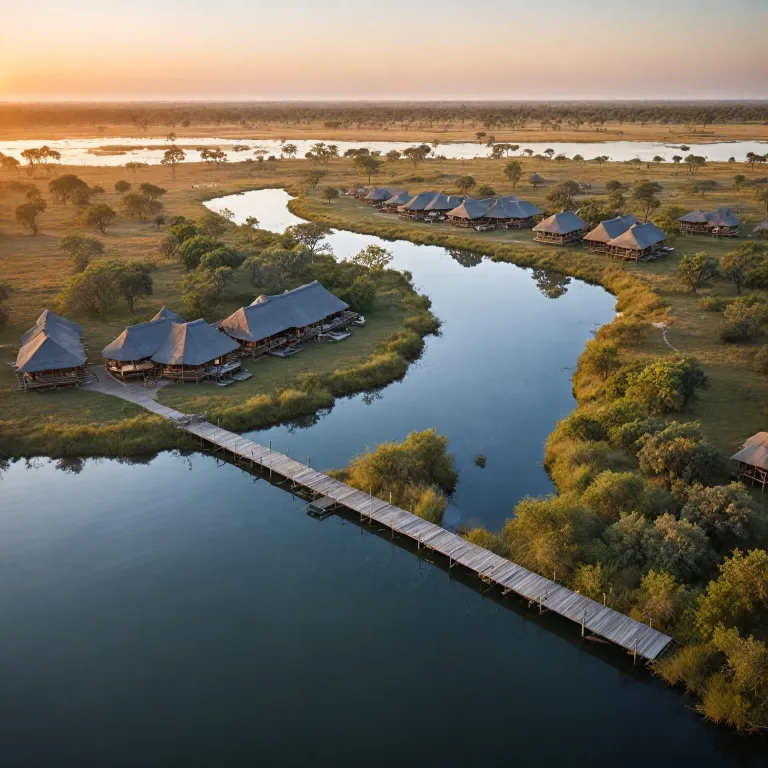
Understanding where the Okavango Delta is located in Botswana
To understand where the Okavango Delta is located, start with Botswana in southern Africa. This remarkable inland delta lies in the north west of the country, spreading like a fan across an otherwise arid African landscape and forming a lush green oasis that contrasts sharply with the surrounding Kalahari Desert. When travellers ask where the Okavango Delta is located on a map, specialists usually point to the coordinates around 19.5° south and 23.5° east, close to the safari gateway town of Maun and within reach of several renowned national park areas.
The Okavango River flows down from the highlands of Angola, bringing life giving water that spills into the delta and creates flooded grasslands, channels, lagoons, and islands. This seasonal pulse of water turns the Okavango Delta Botswana region into one of the best wildlife sanctuaries in Africa, with an immense area of around 20 000 km² designated as a UNESCO heritage site for its ecological importance. Because the delta Botswana ecosystem is inland and does not reach the sea, the water simply fans out and evaporates or seeps into the Kalahari Desert sands, which makes the Okavango Delta unique among African wetlands.
When you plan a safari, it helps to visualise how the delta Okavango sits between major destinations such as Victoria Falls to the north and Cape Town far to the south. Many luxury itineraries link Botswana Okavango safaris with South African city stays, using Maun and the delta Maun airstrips as key access points. Understanding where the Okavango Delta is located also clarifies why the best time to visit Okavango is during the dry season, when the inland delta is at its fullest and game viewing is at its most dramatic.
How the Okavango Delta’s geography shapes luxury safari choices
Knowing precisely where the Okavango Delta is located helps you choose the right safari area and style of stay. The core of the delta Botswana region is a maze of channels and islands, while the outer fringes transition into drier concessions and the famous Moremi Game Reserve, which forms part of a larger protected national park network. This mix of flooded grasslands and dry islands means that some camps specialise in water based activities, while others focus on classic game drives and walking safaris.
For travellers comparing different African destinations, the location of the Okavango relative to Victoria Falls and Cape Town is particularly important. Many premium itineraries combine a few nights in a South African city with time in a Botswana Okavango game reserve, then finish with a stay near the falls for a complete southern Africa experience. If you are planning city escapes in Botswana before or after your safari, resources such as premium hotel booking for discerning travelers can help you align urban stays with your delta flights.
Because the Okavango Delta is an inland water system in a dry African region, its seasonal rhythms are central to any luxury booking strategy. The best time for game viewing is generally the dry season, when animals concentrate along the Okavango River channels and around permanent water sources. Understanding where the Okavango Delta is located within Botswana, and how its national park and game reserve boundaries are drawn, allows you to match your expectations with the right camp, the right area, and the right time to visit.
Seasonality, water levels, and the best time to visit Okavango
Once you know where the Okavango Delta is located, the next essential question is how its water cycle affects your stay. The Okavango River brings floodwaters from Angola, which arrive in the delta during Botswana’s dry season and spread slowly across the flooded grasslands, filling channels and creating temporary islands. This counter intuitive pattern means that the best time for many travellers to visit Okavango is precisely when the surrounding Kalahari Desert is at its driest.
For luxury and premium hotel booking, understanding the difference between the dry season and the green season is crucial. During the dry months, water based activities such as mokoro excursions and boat safaris are at their peak in the central delta Botswana channels, while game viewing intensifies along the shrinking water sources on the fringes and in Moremi Game Reserve. When you plan your time to visit, consider that April often marks a transitional period, with rising water levels in some parts of the delta Okavango and increasingly good wildlife concentrations in others.
Because the Okavango Delta is a UNESCO heritage site and a highly protected national treasure, availability at top camps can be limited in the best months. Using a specialist platform for Botswana hotel online booking, such as premium stays and seamless reservations, helps you secure the right camp in the right area. When you align your chosen dates with the seasonal water patterns and the location of your preferred game reserve, you maximise both comfort and the quality of your African safari experience.
Key regions within the Okavango Delta and their safari character
Understanding where the Okavango Delta is located also means appreciating its internal regions, each with distinct safari character. The central delta Botswana area is dominated by deep water channels, palm fringed islands, and flooded grasslands that are ideal for mokoro excursions and tranquil boat trips. To the east, the Moremi Game Reserve forms part of a broader national park mosaic and offers some of the best game viewing in Africa, with a mix of dry land and seasonal water.
Further north and west, private concessions along the Okavango River and its tributaries provide exclusive safari experiences with limited vehicle numbers. These areas are particularly prized in the dry season, when wildlife concentrates around permanent water and the contrast with the surrounding Kalahari Desert becomes striking. Travellers who know where the Okavango Delta is located relative to these concessions can choose between more water focused or more land based safaris, depending on their interests.
For those seeking an elegant safari retreat on a remote island, properties such as Sanctuary Chief’s Camp in the Okavango Delta exemplify high end hospitality in a pristine game reserve setting. Here, the interplay of river channels, islands, and open plains creates ideal conditions for viewing predators and large herds during the best time of the year. By mapping your preferred style of safari against the specific area and understanding how each region fits within the wider Botswana Okavango ecosystem, you can tailor your stay with precision.
Access, logistics, and pairing the delta with wider African journeys
Knowing where the Okavango Delta is located helps you plan seamless access and onward connections across southern Africa. Most travellers fly into Maun, the main gateway town on the edge of the delta Botswana region, then connect by light aircraft to remote airstrips near their chosen camp. These scenic flights reveal the intricate patterns of the Okavango River, the flooded grasslands, and the mosaic of islands that define this UNESCO heritage landscape.
Because the Okavango lies within easy flying distance of Victoria Falls and major South African hubs, it pairs naturally with broader African itineraries. Many guests begin with a city stay in Johannesburg or Cape Town, then fly to Maun for several nights in a Botswana Okavango game reserve, before continuing to the falls for a different perspective on water and wilderness. When planning such journeys, it is important to factor in the best time for each destination, as the dry season that favours game viewing in the delta may coincide with different conditions elsewhere.
Within Botswana, transfers between camps often follow the lines of the Okavango River and its channels, linking deep water areas with drier concessions and the Moremi Game Reserve. Understanding where the Okavango Delta is located in relation to these protected areas and the wider Kalahari Desert helps you structure a logical route that minimises backtracking. By aligning flights, camp locations, and seasonal patterns, you create a coherent safari that showcases the full diversity of this remarkable African delta.
Conservation, community, and choosing responsible luxury in the delta
When travellers ask where the Okavango Delta is located, they are often also curious about how such a lush ecosystem can exist in a dry African region. The answer lies in the unique interaction between the Okavango River, the Kalahari Desert sands, and the careful management of national park and game reserve areas. This inland delta supports exceptional wildlife and local communities, making responsible luxury choices particularly important for guests booking premium stays.
The Okavango Delta’s status as a UNESCO heritage site reflects its global ecological significance and the need for ongoing conservation. Sustainable tourism practices, such as low impact camps, limited vehicle densities, and community partnerships, help protect the flooded grasslands, islands, and river channels that define the delta Botswana landscape. Visitors are encouraged to use local guides, respect regulations, and support operators who contribute to conservation and livelihoods in the Botswana Okavango region.
Expert guidance often emphasises timing and behaviour as part of responsible travel ; for example, “Visit during dry season for best wildlife viewing. Use local guides for safaris. Respect local customs and regulations.” By aligning your time to visit with the best time for game viewing and the needs of the ecosystem, you help ensure that the Okavango Delta remains a thriving habitat. Understanding where the Okavango Delta is located within Africa, and how its national and local stakeholders collaborate, allows you to choose camps and experiences that honour both the environment and the people who call this extraordinary delta home.
Key statistics about the Okavango Delta
- The Okavango Delta covers an area of approximately 20 000 km² within northern Botswana.
- Annual water inflow from the Okavango River system is estimated at around 11 000 million m³.
- The delta lies in an arid zone on the edge of the Kalahari Desert, making its permanent wetlands particularly significant.
Essential questions about where the Okavango Delta is located
What is the Okavango Delta?
What is the Okavango Delta? A vast inland delta in Botswana.
Why is the Okavango Delta unique?
Why is the Okavango Delta unique? It's a large inland delta in a desert region.
When is the best time to visit the Okavango Delta?
When is the best time to visit the Okavango Delta? During the dry season for optimal wildlife viewing.
Trustful expert sources
- UNESCO World Heritage Centre
- Botswana Tourism Organisation
- International Union for Conservation of Nature (IUCN)