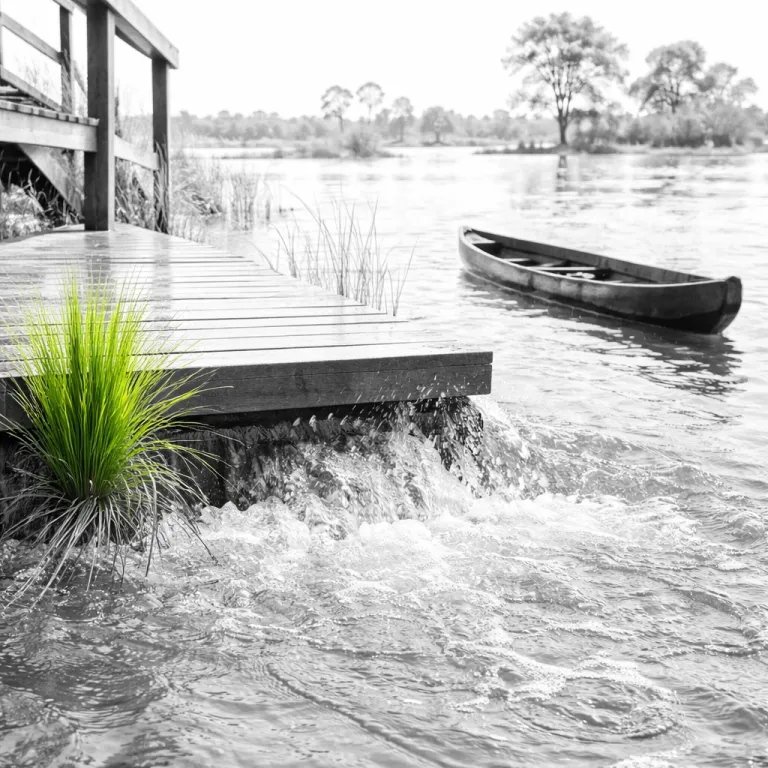
Okavango delta flood: a once in decades water season for solo safaris
The Okavango Delta flood 2026 story starts with numbers that matter. According to seasonal summaries from Botswana’s Department of Meteorological Services and lodge rainfall logs, some concessions in the Okavango region have recorded more than 1,000 millimetres of rain against a long term 450 millimetre average, turning a three year pattern of dust into a full return of Delta water. For solo travelers planning an Okavango safari in Botswana, this is the year when water levels, wildlife density and luxury safari camps finally align again.
Hydrologists tracking the Okavango flood compare this wet season to the strongest pulses on record, with heavy rains in Angola and good rains locally pushing high water steadily south through the channels. Independent river scientists working with concessions in the Maun region note that the flood season now covers around 7,700 square kilometres of floodplains at peak, and water levels are already filling channels that have been dry since the previous drought year. Tourism operators, Okavango Delta communities and the Botswana government all confirm through recent park briefings that this season offers the best conditions in more than a decade for water based activities and classic vehicle safaris combined.
For context, the annual flood here is not driven by the Zambezi but by the Okavango River, whose Delta water arrives months after the first local rains. May to September is the recognised flood season, and this year the wet season has extended the time when water based safaris are possible in both private concessions and Moremi Game Reserve. Official guidance from the Department of Wildlife and National Parks still holds that “May to September during the flood season.” is the best time to visit Okavango, and solo guests should treat that as the prime time visit window for booking high end safari camps.
Access, closures and what it means for your booking
High water always reshapes logistics, and the Okavango Delta flood 2026 is no exception. Moremi’s self drive section of the national park was temporarily closed from 5 to 26 March, as confirmed in DWNP notices, because water levels cut key 4x4 routes, while fly in safari camps remain fully operational thanks to airstrips on higher ground. For solo travelers this means you should prioritise scheduled light aircraft hops between camps over long road transfers, and budget for flexibility if floodplains cut off certain tracks.
Luxury properties in the Jao, Hunda Island and Mombo region report that channels once navigable only by mokoro boat are now wide enough for motorised tenders, yet still quiet enough for traditional mokoro based activities. Camps such as Jao Camp, Jacana Camp, Little Mombo and Tubu Tree remain focused on water based experiences, while others balance boat safaris with drives when water level drops slightly later in the season. When you plan your time visit, ask each lodge how the current water levels affect their mix of safaris, and whether they expect any changes as the flood season progresses.
Solo guests who value privacy should look for camps with fewer than fifteen tents and strong guiding teams that understand the nuances of the Okavango flood. These properties can pivot quickly between mokoro excursions, boat trips and walking safaris as water levels shift across the floodplains. If you are pairing the Delta with a drier region such as the Northern Tuli Game Reserve, consider starting with a land focused stay at an elegant safari retreat in Tuli before flying into the full drama of the Okavango Delta water season.
Where the water is: concessions, channels and safari camp choices
The Okavango Delta flood 2026 is not uniform, and that matters when you choose a camp. Jao concession, the Mombo area on Chief’s Island and the Hunda Island sector are currently seeing some of the highest water levels, with channels threading through palm islands that were reachable only on foot during the drought year. For solo travelers who want the best mix of wildlife and water based activities, these concessions are the ones to watch.
In Jao, the floodplains now support classic mokoro safaris, motorboat excursions and short game drives on higher islands, giving you a full palette of based activities in a single stay. The silence when your mokoro poler stops paddling is back, and with it the layered sounds of frogs, reed bed birds and distant elephants moving through shallow Delta water. Camps here report that this season offers strong predator sightings on the few dry fingers of land, while the surrounding water levels create natural refuges for antelope and other wildlife.
Mombo and the adjacent Moremi water frontage sit inside a national park zone where off road driving is restricted, so the return of high water has pushed more animals onto visible islands. During this flood season, lions and leopards are frequently seen using narrow land bridges between flooded areas, which concentrates game viewing along specific channels. If you prefer a slightly drier feel with strong game drives and some access to water based safaris, Hunda Island offers a good balance, while a lodge in the Tuli area remains an elegant safari retreat in Northern Tuli Game Reserve for those pairing the Delta with a contrasting landscape.
Solo traveler strategy: matching camp style to flood levels
Choosing where to stay during the Okavango Delta flood 2026 comes down to how much time you want on the water versus in a vehicle. Pure water based safari camps in deep water concessions will prioritise mokoro boat trips, boating safaris and island walks, with game drives limited by the extent of the floodplains. Mixed camps on the edges of the main channels can adjust as water level changes, offering more drives later in the season when some areas dry.
For solo guests, smaller luxury camps with strong hosting teams often feel more welcoming than large lodges, especially during a long wet season when you may spend more time in shared spaces between safaris. Ask specifically whether camps remain accessible by air if water levels rise further, and how they manage transfers from airstrips to the lodge when high water cuts usual tracks. It is also worth confirming whether your chosen region is better in the early flood season, when heavy rains still linger, or later when the Okavango flood has stabilised and wildlife has settled onto predictable islands.
Booking platforms such as mybotswanastay.com now highlight which properties are optimised for this exceptional flood season, including details on mokoro availability, boat capacity and typical water levels by month. When you compare options, look for clear information on how each camp structures its safaris, whether they offer private vehicles for solo travelers and how they adapt based activities to changing Delta water. This level of detail is what separates a generic listing from a genuinely expert guide to luxury stays in Botswana.
The sensory return of the Delta: timing, experiences and where to stay
The most striking change in the Okavango Delta flood 2026 is not just visual, it is acoustic. Channels that were silt and dust three years ago now carry slow moving water, and the soundscape has shifted from wind in dry reeds to the soft lap of Delta water against a mokoro hull. Solo travelers who last visited during the drought year will feel the difference the moment the mokoro poler pauses and the Delta listens back.
Timing your visit Okavango matters more than ever, because the flood pulse peaks between June and August while April to July offers the best blend of high water and concentrated wildlife. Early in the flood season, heavy rains can still affect flights into Maun and some airstrips, but you gain the drama of rising water levels and the first herds moving onto newly formed floodplains. Later in the season, the wet season clouds clear, water levels stabilise and game viewing becomes more predictable, especially around permanent channels and in the core of Moremi National Park.
For solo travelers booking through mybotswanastay.com, the strategy is to pair at least one deep water camp with a mixed habitat property such as an elegant stay at Duba Plains Camp in the heart of the Okavango. This combination gives you pure mokoro and mokoro boat experiences in one location, then more vehicle based safaris and photographic opportunities in another, all within the same Okavango safari itinerary. If you are extending your trip with a romantic extension later, the site’s guide to Botswana romantic luxury hotels is a useful reference even for solo guests who value privacy, because many of those suites and villas work beautifully for one.
Practical tips for navigating a high water luxury safari
With the Okavango Delta flood 2026, packing and planning need a few adjustments for solo travelers. Expect wet landings from boats, raised walkways between tents and longer transfer times as pilots route around storm cells and flooded airstrips during the wet season. Lightweight quick drying clothing, a waterproof daypack and sandals that can handle ankle deep water will make moving through camps and floodplains far more comfortable.
From a booking perspective, this is the season when you should secure accommodations early, especially in high demand concessions where only a handful of safari camps operate. Fly in access from Maun or Kasane is the most reliable option when water levels are high, and reputable operators work closely with local communities and conservation organisations to keep routes safe. Remember that the annual flood sustains Delta biodiversity, supports local livelihoods and enhances tourism opportunities, so your stay contributes directly to a conservation led model that has made Botswana a benchmark for low impact luxury safaris.
Finally, respect the rhythm of the water and the people who live with it year after year. The Okavango Delta communities, tourism operators and the Botswana government all emphasise three simple guidelines for guests during this exceptional flood season : “Book accommodations early”, “Prepare for wet conditions”, “Respect local customs”. Follow those, choose your camps with care and this once in decades flood year will give you a version of the Okavango that many travelers wait a lifetime to see.