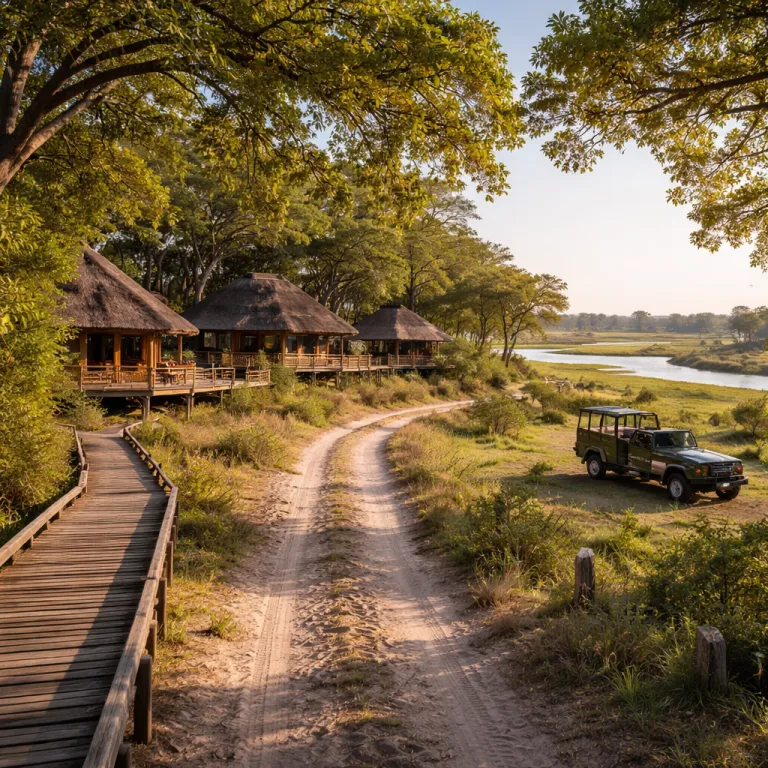
Why travel Botswana starts with the map, not the lodge
Planning to travel Botswana for the first time, most visitors start with the names of famous safari camps. The smarter move is to sketch your route across Botswana first, then let the right lodges fall into place as you understand how each concession in southern Africa shapes pace, wildlife and style. In a country where water levels in the Okavango Delta and the rhythm of national parks shift month by month, choosing the wrong area can turn a dream safari into a pretty but thin photo album.
Botswana is built for low impact safari, with private concessions and national parks reserves limiting vehicles and people, so the map matters more than in many parts of Africa. When you move through these concessions, you are really choosing between water based mokoro drifts, big cat tracking, or salt pan horizons, and each option suits different days of a longer trip. For solo travelers and couples who are traveling independently, thinking in terms of concessions first also helps you control costs in USD, manage travel insurance requirements and avoid unnecessary flights between the north and the south of the country.
For a first time Botswana travel itinerary, imagine your journey as a slow arc from the dry Kalahari in the south to the floodplains of the Okavango Delta in the north. That arc can extend into South Africa or even a Botswana Namibia combination, but the internal logic stays the same. You move from open desert wildlife and cultural encounters in rural areas to increasingly water rich ecosystems, where the Okavango channels, lagoons and islands deliver the classic Africa safari images that persuaded you to visit Botswana in the first place.
Okavango Delta concessions: reading the water before you book
The Okavango Delta is the emotional heart of travel Botswana, but it is not one single experience. Each concession within the Okavango Delta, from Jao to Mombo and the Moremi area, has its own balance of water and land, which dictates whether your days lean towards mokoro, boating and fishing or towards game drives and walking safaris. With the current high water cycle reported in recent seasons by operators in the Jao and Vumbura concessions, some traditionally mixed areas are behaving more like pure water concessions, so you need recent, concession specific information from your lodge or tour operator before locking in a premium camp.
In deep water concessions, you wake to the sound of lechwe splashing and spend long days gliding through channels where the only traffic is your mokoro and the occasional elephant crossing. These are the places where the silence when the poler stops paddling and the delta listens becomes the real luxury, and where wildlife viewing is more about intimate moments than long species lists. If you want a sharper focus on predators and plains game, look to mixed concessions on the fringes of the national parks, where vehicles can still access dry islands even when the water is high and where seasonal reports from guides confirm reliable lion and wild dog sightings.
For a seven to ten days Botswana itinerary, pairing one deep water concession with one mixed area gives you both sides of the Okavango experience. Many travelers combine a classic water camp with a land focused property such as those described in this elegant guide to Duba Plains and its Great Plains safari camps, creating a natural rhythm between slow boating days and more active drives. When you plan international travel from the United States or Europe, remember that these fly in transfers are usually priced in USD and can be affected by seasonal demand, especially around peak months like Aug and Oct when water levels and wildlife densities are at their most photogenic. Typical light aircraft hops between Maun, the Okavango Delta and Kasane take roughly 30 to 90 minutes, depending on routing and stops, according to current charter schedules.
Linyanti, Selinda and Chobe: where the river bends define your safari
North east of the Okavango Delta, the Linyanti and Selinda concessions offer a different expression of travel Botswana, shaped by river bends, marshes and ancient channels. These areas sit between Botswana and Namibia and act as a wildlife highway, especially for elephants moving between Chobe and the interior during the dry season, as noted in recent conservation reports. For travelers who want fewer vehicles than in the busier Chobe riverfront but still crave big game drama, these concessions are often a better fit than the more famous national parks.
Days here tend to be drive heavy, with long morning and afternoon safaris along river lines, floodplains and woodlands, punctuated by boat cruises when water levels allow. Lodges in Linyanti and Selinda often specialise in walking safaris and photographic hides, which suit solo travelers who enjoy quiet hours observing wildlife behaviour rather than chasing sightings. If you are combining Botswana south with South Africa, these northern concessions pair well with a few days in the Timbavati or Klaserie, especially if you are staying at a refined property such as Kambaku River Sands safari lodge for refined travellers before or after your time in Botswana.
Chobe itself splits into distinct personalities, from the busy riverfront near Kasane to quieter stretches further west that feel closer to private parks reserves. When you plan your trip, be honest about how much boat traffic and how many people you are comfortable with during peak wildlife viewing days. If you prefer a calmer atmosphere, consider spending more days Botswana side in Linyanti or Selinda and using Chobe as a short stop rather than the core of your Botswana travel plan.
Makgadikgadi and Central Kalahari: the desert chapters every traveler skips
Many first time visitors travel straight to the Okavango Delta and never touch the Makgadikgadi pans or the Central Kalahari, which is a missed opportunity. These desert regions in the south of Botswana offer a completely different Africa safari narrative, with wide open horizons, star heavy skies and cultural encounters with San communities that you will not find in the wetter parks. For solo travelers, the slower pace and strong guiding culture here can be a gentle way to start or end a longer trip.
Makgadikgadi is about salt pans, quad biking across lunar landscapes in the dry season and, when the rains come, watching zebra and wildebeest migrations sweep across new grass, a phenomenon documented by several regional wildlife studies. The Central Kalahari Game Reserve, one of the largest protected national parks in southern Africa, offers big sky game drives, black maned lions and a sense of space that makes even the Okavango feel intimate. Both areas work well at the start of a ten to fourteen days Botswana itinerary, allowing you to adjust to time zones and climate before moving north into more water rich concessions.
From a practical perspective, these southern parks reserves are easier to access from South Africa, especially if you are routing through Johannesburg or Cape Town on your international travel. They also tend to be slightly more forgiving on budget in USD compared with the most exclusive Okavango Delta concessions, which helps when you are balancing premium lodges with flights and comprehensive travel insurance. If you are considering a broader southern Africa loop that includes Botswana Namibia or a return to South Africa, starting in the desert and moving north keeps your routing clean and avoids backtracking.
Sequencing your days: 7, 10 and 14 night safari arcs
Once you understand how each concession feels, you can start shaping your travel Botswana itinerary by days rather than by lodge names. A seven night trip works best when you limit yourself to two concessions, ideally one desert or dry area and one Okavango Delta or Linyanti style water and woodland mix. This gives you the minimum three nights per area that most experienced travelers consider essential for meaningful wildlife encounters and a sense of place.
For ten nights, you can comfortably add a third chapter, such as Makgadikgadi followed by a mixed Okavango concession and then Linyanti, or Central Kalahari, then a water based Okavango Delta camp, finishing with a couple of days near Chobe for river scenes. Fourteen nights allow you to stretch further, perhaps weaving in both desert regions and two different delta styles, or even adding a short city break using a city escape in Botswana with premium hotel booking for discerning travelers in Gaborone or Maun. Whatever the length, resist the temptation to add more than four stops, because constant flying erodes the calm that makes Botswana travel so restorative.
Think of your days Botswana wide as a narrative arc, with quieter, more contemplative chapters in the south and increasingly water rich, wildlife dense scenes as you move north. If you are combining Botswana south with South Africa or even a short stay in Cape Town, place the most intense wildlife days in the middle of your trip, leaving space at either end for rest and city comforts. This sequencing also helps with practicalities like laundry, connectivity and any health checks, especially if you are coming from the United States and need to align with guidance from the U.S. Department of State or your own national travel advisories.
Health, safety and practicalities for luxury travelers
Luxury travel Botswana may feel effortless once you are in camp, but the background logistics deserve as much attention as your choice of lodge. Northern Botswana, including the Okavango Delta and Chobe region, carries a seasonal malaria risk for roughly eight months of the year, especially between Nov and June, according to recent summaries from agencies such as the WHO and CDC, so you should speak with a travel health specialist well before departure and review current malaria maps from reputable public health agencies. Some rural areas also have limited medical facilities, which makes robust travel insurance with medical evacuation coverage non negotiable for travelers who are serious about safety.
Official guidance from embassies and tourism authorities remains clear on several points that affect international travel planning. “Carry a copy of your passport. Avoid displaying valuables. Use reputable transportation services.” These simple habits, combined with staying in well managed lodges and hotels, go a long way towards keeping both solo travelers and groups comfortable throughout their trip.
Tap water quality varies across Botswana, with many high end lodges providing filtered drinking water and advising guests not to drink tap water directly, especially in more remote parks reserves. Yellow fever vaccination is not required if you are flying directly from most countries in Europe or the United States, but may be requested if you transit through certain African hubs, so always check the latest entry rules before you travel. For U.S. citizens, the U.S. Embassy in Gaborone and the U.S. Department of State provide up to date information on safety, visas and health, while the Botswana Tourism Organisation remains the primary reference for official tourism updates.
Common first timer mistakes and how to avoid them
One of the most frequent errors in travel Botswana planning is booking purely on brand recognition, without checking which concession a lodge actually occupies. Two properties with similar price points in USD can deliver very different experiences if one sits in a mixed Okavango Delta concession and the other in a marginal wildlife area with limited water access. Another common misstep is cramming too many stops into too few days, leaving travelers exhausted and with only a surface level sense of each landscape.
Many people also underestimate the value of shoulder season, especially around May, June and late Oct, when rates can be softer but wildlife viewing remains strong and water levels in the delta create beautiful contrasts, as recent operator reports confirm. Skipping Makgadikgadi or the Central Kalahari to focus only on Moremi or other famous national parks is another mistake, because it flattens your Africa safari narrative into a single habitat. A more thoughtful route, perhaps starting in the desert, then moving through mixed woodland and finishing in deep water concessions, gives your trip a sense of progression that feels curated rather than compiled.
Finally, do not leave practicalities like travel insurance, medical evacuation coverage and health consultations until the last minute, especially if you are traveling from the United States or planning a broader southern Africa loop that includes South Africa or Botswana Namibia. When you read story after story of seamless safaris, remember that behind each one sits careful planning around flights, baggage limits, park regulations and seasonal patterns. Treat this article as a map rather than a checklist, and you will be far better placed to visit Botswana with confidence, choosing lodges that match both your style and the specific character of each concession.
Key figures for planning a Botswana safari
- Malaria risk in northern Botswana lasts for about 8 months each year, mainly between November and June, according to recent travel health data from sources such as the WHO and CDC, so prophylaxis planning should align with your exact travel dates and current advice from agencies such as the WHO or CDC.
- The standard electricity voltage in Botswana is 230 volts, which matches most European appliances but may require converters for travelers from the United States and some parts of Asia.
- U.S. citizens can stay in Botswana for up to 90 days without a visa for tourism, which comfortably covers most extended safari itineraries and regional combinations with South Africa or Namibia, as confirmed by recent embassy guidance and official immigration notices.
- Many premium safari itineraries in Botswana run between 7 and 14 nights, with a recommended minimum of 3 nights per concession to maximise wildlife viewing and reduce transfer fatigue, based on current advice from specialist tour operators.
- Northern Botswana’s main safari regions, including the Okavango Delta, Linyanti and Chobe, are commonly accessed by light aircraft from Maun or Kasane, which adds cost but significantly reduces travel time compared with overland routes. Charter providers typically publish current schedules, baggage limits and average flight times for these routes.
Frequently asked questions about luxury safaris in Botswana
Do I need a visa to visit Botswana for a safari ?
U.S. citizens can stay up to 90 days without a visa, while many other nationalities also enjoy visa free entry for shorter tourism stays. Always check the latest information with your nearest Botswana embassy or consulate before you travel. If you plan to combine Botswana with South Africa or Namibia, confirm separate entry rules for each country.
Is malaria a concern in Botswana’s main safari areas ?
Malaria risk exists in northern regions between November and June, which covers the Okavango Delta, Chobe and Linyanti, according to recent public health guidance. Travelers should consult a medical professional about prophylaxis and other preventive measures such as repellents and clothing. Desert regions in the south, including much of the Central Kalahari, generally have lower risk but still require up to date advice.
What is the official language in Botswana’s lodges and hotels ?
English is the official language ; Setswana is widely spoken across the country, including in rural areas. In luxury lodges and premium city hotels, staff typically operate in English for briefings, safety talks and guiding. Learning a few basic Setswana greetings is appreciated and can enrich cultural interactions during your trip.
Is tap water safe to drink in Botswana’s safari lodges ?
In many high end lodges, filtered or bottled water is provided for drinking, and guests are advised not to drink tap water directly. In cities such as Gaborone and some larger towns, tap water is generally treated but may still taste different from what travelers are used to. As a rule, follow the guidance of your lodge or hotel manager in each location.
How should I choose travel insurance for a Botswana safari ?
For remote safaris, you should select travel insurance that explicitly covers medical evacuation from rural areas to major hospitals, as well as trip interruption and cancellation. Policies priced in USD often offer clear coverage limits, but always read the fine print on adventure activities and light aircraft flights. Travelers from the United States can cross check recommendations with the U.S. Department of State and their own healthcare providers before confirming a policy.