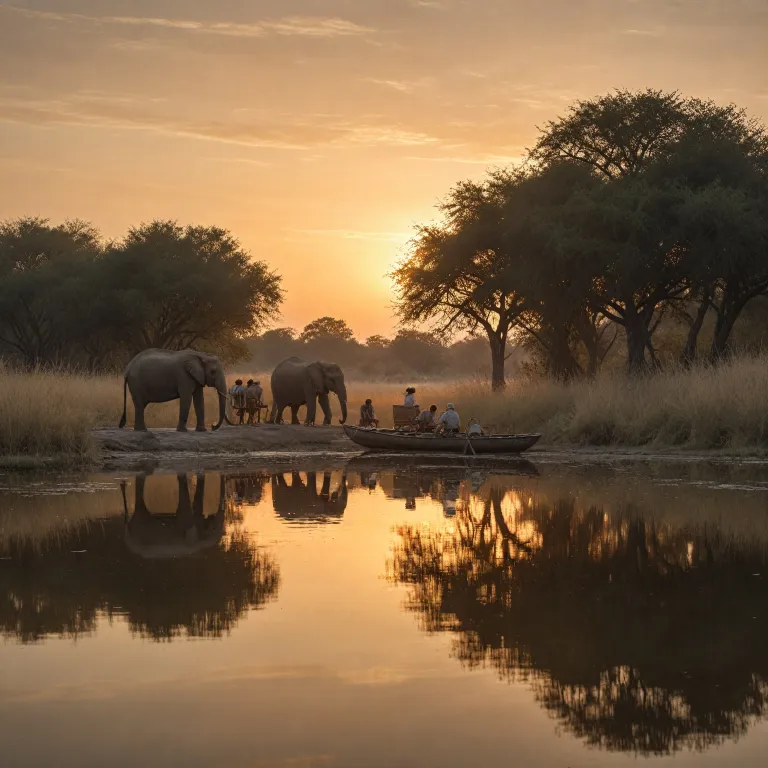
Planning okavango trips on a luxury and premium platform
Okavango trips attract travellers who expect refined comfort and precise service. When you book luxury accommodation in Botswana, a specialist platform helps you compare each camp and lodge with clarity. This matters because the Okavango Delta has limited beds and high demand during peak safari season.
A credible booking website should present transparent per person and per person night rates in USD, with clear notes on what each safari includes. Look for detailed breakdowns of game drives, mokoro outings on the water, and any tented safari elements in both the okavango delta and nearby game reserve areas. This level of information allows you to align your budget with the experience you truly want over several days.
For many guests, okavango trips begin or end in Maun, so a strong platform will show seamless connections between delta Maun flights and your chosen camps. It should also highlight whether your safari experience combines the Okavango with Chobe or a visit to Victoria Falls, since multi destination tours are increasingly popular. When you see suggested tours that link Maun, the delta, Chobe National Park, and Victoria Falls, you can better judge which tour length and routing suits your travel style.
Trustworthy sites reference leading operators such as Wilderness Safaris and &Beyond, whose camps and island lodge properties set benchmarks for conservation focused luxury. They also reflect guidance from the Botswana Government on sustainable tourism in the Okavango. This combination of expert partners and regulatory oversight builds confidence for every person planning high value okavango safari itineraries.
Choosing the best camps and lodges for okavango trips
Selecting the best camps for okavango trips requires understanding how each area of the delta shapes your safari experience. Water based camps in the heart of the Okavango Delta emphasise mokoro excursions and boat tours, while land focused camps prioritise game drives and walking safaris. Many travellers prefer a combination of both styles over several days to appreciate the full character of the delta.
On a premium booking website, each lodge or camp listing should specify whether it is a permanent island lodge, a semi permanent plains camp, or a classic tented safari camp. This distinction affects the ambience, the level of privacy, and the type of wildlife you are likely to see around camp. For example, a plains camp on the edge of a game reserve or national park may offer exceptional game viewing directly from your veranda.
Some properties, such as Camp Okavango and similar delta safari retreats, focus strongly on water based safaris and birdlife. Others, closer to Moremi Game Reserve, are ideal for big game viewing and traditional okavango safari game drives. When a platform clearly labels these strengths, you can match your expectations with the right camps and avoid disappointment.
Look for itineraries that combine the Okavango Delta with Chobe, especially if you want to compare river based safaris in Chobe with the quieter channels of the delta. Chobe National Park is renowned for elephants and boat based game viewing, which contrasts beautifully with the intimate channels of the Okavango. A sophisticated booking engine will suggest sample tours that link Maun, the delta, Chobe, and even Victoria Falls for a rounded safari experience.
Designing multi day okavango trips with seamless logistics
Thoughtfully designed okavango trips usually span several days, often between four and ten, to justify the travel time and cost. A premium booking website should therefore present sample tours that show how many days you spend in each camp and how transfers work. This helps every person understand the rhythm of their safari experience before confirming high value reservations.
Most travellers access the Okavango Delta via Maun, flying by light aircraft into remote camps scattered across the delta. A quality platform will explain how luggage limits, flight timings, and seasonal water levels influence your route between camps. It should also clarify whether your safari includes shared charter flights, private transfers, or boat transfers between closely located camps.
Many itineraries combine a pure delta safari with time in Moremi Game Reserve or another nearby game reserve for varied game viewing. You might spend three days at a water based island lodge, followed by three days at a land focused plains camp known for predator sightings. By seeing these combinations laid out clearly, you can judge whether to add Chobe or Victoria Falls at the end of your tour.
Some specialist operators also offer horseback safaris in selected areas, which can be integrated into longer okavango safaris for confident riders. When a booking website highlights where horseback safaris are available, you can decide whether to include a dedicated horseback safari day. This level of detail ensures that each day Okavango feels purposeful, balanced, and aligned with your interests.
Understanding pricing, value, and sustainability in okavango trips
Luxury okavango trips are a significant investment, so transparent pricing in USD per person and per person night is essential. A trustworthy booking platform will show clearly what your safari includes, from accommodation and meals to game drives, mokoro outings, and park fees. It should also indicate any additional costs, such as premium drinks, scenic flights, or optional tours to Victoria Falls.
Because the Okavango Delta follows a high cost, low impact tourism model, rates at leading camps and lodges reflect strict limits on guest numbers. This approach supports wildlife conservation and community projects across Botswana, while preserving the sense of exclusivity that many travellers seek. When a website explains this context, guests better appreciate the value behind the nightly rate rather than focusing only on price.
Many travellers combine the Okavango Delta with Chobe National Park or another game reserve to maximise game viewing variety. A well designed itinerary might include three days in a water based delta safari camp, three days in a Moremi Game Reserve camp, and two days in Chobe. By seeing the per person cost for each segment, you can adjust the number of days to fit your budget without compromising the core safari experience.
Responsible platforms also highlight the role of the Botswana Government, Wilderness Safaris, and &Beyond in promoting sustainable safaris. They may reference conservation achievements, community partnerships, and guidelines for respectful behaviour around wildlife and local communities. This information reassures guests that their okavango safari contributes positively to the long term health of the delta.
Comparing safari styles, activities, and wildlife experiences
One of the defining features of okavango trips is the variety of safari styles available across the delta. A sophisticated booking website should help you compare classic vehicle based game drives, mokoro excursions on tranquil water channels, walking safaris, and even horseback safaris where appropriate. Presenting these options clearly allows each person to choose the safari experience that feels most rewarding.
Water based camps in the Okavango Delta focus on mokoro outings and boat tours, offering serene perspectives on wildlife and birdlife. Land based camps, especially those near Moremi Game Reserve or within a national park, emphasise big game viewing from open 4x4 vehicles. Many travellers appreciate a mix of both, spending some days at a water focused island lodge and other days at a plains camp renowned for predators.
Some itineraries highlight specialist activities such as tented safari sleep outs, photographic safaris, or horseback safaris in selected game reserve areas. When a booking platform describes these options in detail, including safety standards and age limits, you can decide which activities suit your group. This is particularly important for families or multi generational trips where comfort levels and interests may differ.
For deeper planning insights, you can review expert guidance such as this in depth overview of okavango safari elegance for discerning travellers in Botswana. It complements booking tools by explaining how seasonal water levels, wildlife movements, and camp locations shape your experience. Used together, these resources help you curate okavango safaris that feel both luxurious and meaningfully connected to the delta.
Seasonality, timing, and practical advice for okavango trips
Timing is crucial when planning okavango trips, because water levels and wildlife patterns change throughout the year. The best period for concentrated wildlife viewing is generally the dry season, when animals gather around remaining water sources. However, the green season offers lush landscapes, dramatic skies, and exceptional birdlife for travellers who value atmosphere as much as game.
Premium booking websites should explain how seasonal changes affect specific camps, especially those deep within the Okavango Delta. Some water based camps may offer more extensive mokoro and boat activities at peak flood, while others shift emphasis to game drives as channels recede. Understanding these nuances helps each person choose the right camp for their preferred month of travel.
Practical advice is also essential, including guidance on malaria precautions, luggage limits on light aircraft, and cultural etiquette in Botswana. Many platforms include concise notes on health, safety, and responsible wildlife viewing, reinforcing information from your tour operator or lodge. This ensures that every day Okavango feels both safe and respectful for guests, staff, and wildlife.
To set expectations, some sites share key facts such as “The best time for wildlife viewing is during the dry season from June to October, when animals congregate around water sources.” They may also note that “Access is typically via charter flights from Maun or Kasane to various camps and lodges within the Delta.” Finally, they remind guests that “Yes, malaria is present; travelers are advised to take prophylactic measures and consult healthcare providers before visiting.”
Key statistics for planning luxury okavango trips
- Annual visitors to the Okavango Delta : 150 000 people, underscoring the importance of booking preferred camps and lodges well in advance.
- Contribution of tourism to Botswana's GDP : 13 percent, highlighting how each safari experience supports the national economy and conservation funding.
- Number of mammal species in the Okavango Delta : 130 species, reflecting the remarkable biodiversity accessible through carefully curated okavango safaris.
Essential questions about luxury okavango trips
What is the best time to visit the Okavango Delta ?
The best time for wildlife viewing is during the dry season from June to October, when animals congregate around water sources. Many travellers planning premium okavango trips choose this window to maximise game viewing on drives and boat tours. However, a specialist booking website can also guide you toward quieter months that suit your preferences.
How can I access the Okavango Delta ?
Access is typically via charter flights from Maun or Kasane to various camps and lodges within the Delta. When you reserve through a luxury focused platform, these flights are usually bundled into your overall tour. Clear documentation of routes, timings, and luggage limits helps each person travel with confidence.
Are there malaria risks in the Okavango Delta ?
Yes, malaria is present; travelers are advised to take prophylactic measures and consult healthcare providers before visiting. Reputable booking websites and tour operators will remind you of this risk and suggest speaking with a medical professional. Combining this advice with lodge level precautions allows you to enjoy your safari experience with appropriate safeguards in place.