How seasons shape the best time to visit Botswana
Choosing the best time to visit Botswana starts with understanding its seasons. The country’s position in southern Africa creates a rhythm of dry season and wet season that transforms landscapes, wildlife viewing, and the style of luxury stays available. For anyone planning to visit Botswana, aligning your travel time with your expectations is essential.
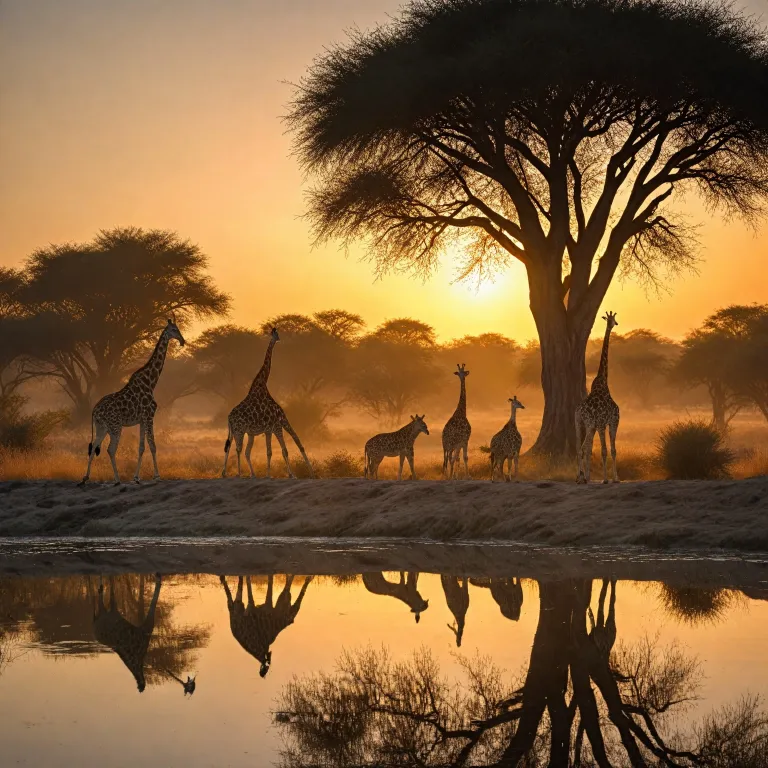
From May to October, the dry season defines the classic image of a Botswana safari with clear skies, thinning vegetation, and shrinking water sources. During this time of year, wildlife concentrates around permanent water in the Okavango Delta, the Chobe River, and pumped pans in the Central Kalahari, which makes game viewing exceptionally reliable. Many travelers consider this the best time for a first safari because every game drive delivers high quality sightings over relatively few days.
The green season, running roughly from November into April, brings heavy but often short-lived rains and daytime temperatures that can reach around 32 °C. This wet season fills the Makgadikgadi Pans, transforms the Kalahari into a carpet of grass, and triggers the dramatic zebra migration across several game reserve areas. It is also the best time to visit Botswana for migratory birds, with raptors, waders, and colorful summer visitors arriving in large numbers.
Luxury and premium lodges adapt their operations to each season, adjusting rates, activities, and even opening dates. Some remote camps in the Okavango Delta or Central Kalahari close during the peak of the wet season when access becomes difficult, while others lean into the green season with specialist birding or photographic safaris. Understanding this seasonal choreography helps you choose not only the best time to visit Botswana, but also the right style of property for your stay.
Dry season elegance: July to October for peak wildlife viewing
For many safari enthusiasts, the best time to visit Botswana coincides with the heart of the dry season from July to October. During these months, water becomes scarce across much of Botswana, so animals cluster around rivers, lagoons, and pumped pans, creating exceptional wildlife viewing. This is especially true in the Okavango Delta, where floodwaters from Angola arrive just as local rains have ended, turning the delta into a shimmering mosaic of channels and islands.
Expert guidance supports this timing for game viewing excellence. “Yes — these months fall in the dry winter season, when water is scarce so animals are concentrated near rivers and permanent water sources, making them easier to spot. Weather is pleasant during the day but cold at night.” This pattern holds across major national park areas, including Moremi, the Chobe National Park riverfront, and private game reserve concessions. For guests in luxury lodges, it means shorter drives between sightings and more time lingering with predators, elephants, and plains game.
July and August are particularly prized for cool, clear mornings and crisp evenings, though nights can be very cold so premium camps provide hot water bottles and thick duvets. By September and October, temperatures rise and the landscape becomes increasingly dry, but the intensity of game viewing often reaches its peak. Along the Chobe River, this is also the best time to visit Botswana for dramatic boat-based days view of elephant herds, and you can pair it with luxury accommodation along the Chobe River for a seamless high-end itinerary.
Because this is widely considered the best time of year to visit Botswana, demand for top-end suites and exclusive-use villas is high. Travelers planning a time visit in the dry season should secure reservations many months ahead, especially for intimate camps in the Okavango Delta and Central Kalahari. Rates are usually at their highest, but the combination of clear conditions, concentrated wildlife, and polished service justifies the investment for many visitors.
Green season luxury: November to April for color, value, and birds
While the dry season dominates most conversations about the best time to visit Botswana, the green season from November to April offers a different kind of luxury. Afternoon storms sweep across the Kalahari and the Okavango, turning dust into rich scent and painting the sky with dramatic clouds. Daytime temperatures often reach around 30 to 35 °C, but the reward is a Botswana that feels newly alive, with fresh grass, wildflowers, and newborn wildlife.
During this wet season, wildlife viewing becomes more dispersed, yet the experience can be deeply rewarding for guests who value atmosphere and exclusivity. “From about November to March/April. Pros: lush landscapes, newborn animals, excellent birdwatching, lower prices and fewer tourists. Cons: rains can make some roads impassable, wildlife is more dispersed, more mosquitoes.” Luxury and premium lodges respond with attractive rates, longer-stay offers, and specialist guiding focused on migratory birds and young animals. For many repeat visitors, this is the best time to visit Botswana precisely because it feels more intimate and less crowded.
The Makgadikgadi Pans and surrounding game reserve areas become a highlight in this season, especially when the zebra migration moves through the region. In the Central Kalahari, the once dry pans transform into grazing meadows that attract large herds of antelope and their predators, creating superb game viewing over relatively few days. Photographers appreciate the soft light, dramatic skies, and the chance to capture wildlife against a lush green backdrop rather than the dusty tones of the dry season.
For travelers planning to visit Botswana in the green season, flexibility is important because heavy rains can affect flight schedules and road transfers. Many high-end camps in the Okavango Delta and Chobe region remain open, offering air-conditioned suites, private plunge pools, and elevated walkways above seasonal water. This time of year also pairs beautifully with a stay at an exclusive retreat near Victoria Falls, such as the Victoria Falls safari club, creating a multi-country journey that balances river, waterfall, and delta experiences.
Regional nuances: Okavango, Chobe, Kalahari, and Makgadikgadi
The best time to visit Botswana also depends on which region you prioritise, because each landscape responds differently to the same season. In the Okavango Delta, the counterintuitive flood pattern means that peak water levels often coincide with the dry season on land. This makes June to August an excellent time visit for mokoro excursions, boat safaris, and days view of wildlife congregating along the edges of the channels.
Chobe offers strong game viewing almost year-round, but the character of a visit changes with the month and water levels. The Chobe National Park riverfront is at its most dramatic from August to October, when elephant herds and other wildlife crowd the banks, and this is widely seen as the best time to visit Botswana for river-based safaris. Travelers interested in luxury accommodation options along the Chobe River in Botswana can use this period to combine high-end lodges with private boat cruises and guided photographic safaris.
The Central Kalahari Game Reserve and surrounding Kalahari landscapes shine in a different window of the year. From about December to March, the green season rains transform the previously dry pans into grazing magnets, drawing in springbok, gemsbok, and predators, and creating a powerful argument that this is the best time of year to visit Botswana for big skies and open plains. The Makgadikgadi Pans follow a similar pattern, with the zebra migration and migratory birds turning the area into a seasonal hotspot.
Luxury and premium properties in these regions tailor their offerings to the time of year, advising guests on whether a particular month will favour water-based activities, classic game drives, or a mix of both. When visiting Botswana, it is wise to discuss your priorities with a specialist who understands how each national park and private game reserve responds to shifting water and weather. This regional nuance ensures that your chosen time visit aligns with your expectations for wildlife viewing, comfort, and style.
Aligning luxury stays with weather, comfort, and activities
For travelers focused on high-end accommodation, the best time to visit Botswana is not only about wildlife but also about comfort and the style of activities on offer. In the cooler months of the dry season, from May through August, daytime temperatures are usually around 25 to 30 °C, which suits long game drives and walking safaris. Nights in June and July can be very cold, so luxury camps provide heated rooms, thick linens, and often fire pits where guests gather after evening game drives.
As the dry season progresses into September and October, heat builds and the landscape becomes increasingly dry, but game viewing often reaches its most intense phase. This is a prime time visit for guests who prioritise predator action and dense concentrations of wildlife around the last remaining water. Many premium lodges in the Okavango Delta and Chobe region adjust their schedules with earlier morning departures, extended siesta hours, and late afternoon activities to avoid the hottest part of the day.
During the green season, luxury travelers benefit from quieter camps, more personalised service, and attractive pricing. Properties in the Okavango Delta, Central Kalahari, and Makgadikgadi Pans often offer specialist birding guides to interpret the arrival of migratory birds and the subtleties of seasonal behaviour. For some guests, this becomes the best time of year to visit Botswana because the combination of value, space, and soft green landscapes outweighs the challenge of more dispersed wildlife.
Premium operators also help guests navigate practical considerations linked to season and region. They advise on malaria prophylaxis for the wet season, clothing layers for cold dry season mornings, and the likelihood of certain activities such as mokoro trips or night drives. By matching your preferred month, region, and comfort level with the right lodge or camp, you transform a simple visit Botswana plan into a carefully curated journey through some of southern Africa’s most remarkable ecosystems.
Booking strategies for premium hotels and safari lodges
Because demand fluctuates sharply with season, the best time to visit Botswana from a booking perspective requires strategic planning. For the peak dry season months of June, July, August, September, and early October, many of the most sought-after luxury lodges and camps fill a year in advance. This is especially true in the Okavango Delta, private concessions bordering Chobe National Park, and exclusive properties in the Central Kalahari.
Travelers who are flexible on time of year can often secure better value without sacrificing quality. The shoulder periods at the start and end of the dry season, such as May and late October, can offer a compelling balance of strong game viewing, comfortable temperatures, and slightly lower rates. In the green season, from November to April, visiting Botswana becomes more accessible for longer stays, allowing guests to spend extra days in each national park or game reserve and deepen their connection with the landscape.
When planning a time visit, consider how many days you want in each region and how travel between them fits into your schedule. A classic itinerary might include several days in the Okavango Delta for water and land activities, followed by time in Chobe for river-based game viewing, and perhaps a stay in the Makgadikgadi Pans or Central Kalahari for contrast. Each additional day increases your chances of exceptional wildlife viewing and allows for rest between early morning activities.
Luxury and premium properties often collaborate with specialist tour operators who understand seasonal nuances, flight schedules, and the impact of wet season rains on access. They can advise whether a particular month is the best time to visit Botswana for your interests, whether that is migratory birds, zebra migration, predator sightings, or simply quiet days in a refined lodge. By aligning booking lead times, budget, and seasonal patterns, you ensure that your visit Botswana experience feels effortless from arrival to departure.
Tailoring your Botswana journey to personal interests
Ultimately, the best time to visit Botswana is personal, shaped by your interests, tolerance for heat or cold, and the style of luxury you prefer. Wildlife photographers may favour the dry season for clear visibility and intense game viewing, while birdwatchers often choose the green season for migratory birds and dramatic skies. Families might prefer the cooler months of June, July, and August, when daytime temperatures are comfortable and wildlife is easy to see on shorter drives.
For travelers drawn to the Okavango Delta’s water channels, the mid dry season is usually the best time of year to visit Botswana. High water levels support mokoro excursions, boating, and scenic flights that reveal the full scale of the delta. Guests who dream of wide open spaces and big skies may instead time visit to coincide with the green season transformation of the Kalahari and Makgadikgadi Pans, when the zebra migration and newborn antelope create a sense of renewal.
Luxury and premium hotels, lodges, and camps across Botswana are adept at shaping experiences around these seasonal rhythms. They design activity schedules, dining settings, and even spa treatments to reflect the time of year, whether that means warming fires in the dry winter or shaded decks overlooking water in the hotter months. When visiting Botswana, sharing your priorities with a knowledgeable consultant helps ensure that every national park, game reserve, and private concession on your route supports your vision for the trip.
By understanding how season, region, and style of accommodation intersect, you can choose not only the best time to visit Botswana but also the most meaningful way to experience it. Whether you are planning a once-in-a-lifetime safari or returning to deepen your connection with southern Africa, aligning your travel time with your interests will shape every memory. In a country defined by water, delta, desert, and wildlife, timing is not just a detail ; it is the quiet luxury that underpins an exceptional journey.
Key statistics on the best time to visit Botswana
- Peak wildlife viewing season in Botswana’s dry months lasts around six months, typically from May to October, when animals concentrate near limited water sources.
- The wettest period spans roughly two months, with January and February usually recording the highest rainfall across much of Botswana.
- Typical daytime temperatures in the wet season often reach between 30 and 35 °C, influencing comfort levels and activity planning for luxury and premium travelers.
Expert answers to common questions about visiting Botswana
Is June-August the best time to see wildlife in Botswana?
Yes, June to August falls within Botswana’s dry winter season, when water is scarce and wildlife concentrates around permanent rivers, lagoons, and pans. This makes animals easier to locate and observe, particularly in areas such as the Okavango Delta, Moremi, and Chobe National Park. Daytime conditions are generally pleasant, though nights can be very cold, so luxury lodges provide warm bedding and heated spaces.
When is the rainy (green) season in Botswana and what are its pros and cons?
The rainy or green season in Botswana usually runs from about November through March or early April, bringing higher temperatures and regular showers or storms. Advantages include lush landscapes, newborn animals, excellent birdwatching, and lower prices with fewer visitors in many luxury and premium properties. The main drawbacks are that some roads can become impassable, wildlife is more dispersed, and mosquitoes are more prevalent, so travelers should plan accordingly.
What are the temperatures like in Botswana’s seasons?
During the dry season from May to October, daytime temperatures often sit between 25 and 30 °C, while nights, especially in June and July, can drop close to freezing in some regions. In the green season from November to March, daytime highs frequently reach 30 to 35 °C, with warmer nights and higher humidity. These patterns influence the best time to visit Botswana for individual travelers, depending on whether they prefer cooler game drives or a warmer, more tropical feel.