Makgadikgadi pans as a luxury destination in Botswana
The Makgadikgadi pans form one of the most dramatic landscapes in Botswana. This immense salt area, spread over roughly 30 000 km², feels like the edge of the earth and yet offers refined comfort. For travellers comparing luxury hotels across Africa, the contrast between the stark pan and polished service is unforgettable.
Long ago, lake Makgadikgadi filled this entire basin with water. As the climate shifted and the lake retreated, it left behind layered salt pans that now define the Makgadikgadi pans experience. Today, high end lodges and premium camps sit on the fringes of the pan and within the wider park, giving guests front row access to this geological story written in salt and sand.
The Makgadikgadi Pans National Park protects much of this fragile desert ecosystem. Along its western boundary, the Boteti River draws wildlife from the surrounding Kalahari, turning a seemingly empty area into a thriving safari corridor. Luxury properties use expert guides and low impact design to connect guests with the national park while respecting conservation rules.
Neighbouring Nxai Pan National Park and the Nata Bird Sanctuary extend this network of protected parks. Together, these national parks safeguard salt pan habitats, migratory bird breeding grounds, and archaeological sites that trace human presence back many millennia. When you book a premium stay here, you are entering a living gallery of geology, ecology, and culture.
Choosing the right luxury lodge around the Makgadikgadi pans
Selecting a luxury or premium lodge near the Makgadikgadi pans requires more nuance than a typical safari booking. Distances across the salt pans and Kalahari desert are vast, so location within or near the Makgadikgadi Pans National Park or adjacent game reserve will shape every experience. Before you read detailed lodge descriptions, clarify whether you prefer river views, open pan vistas, or easy access to the Boteti River.
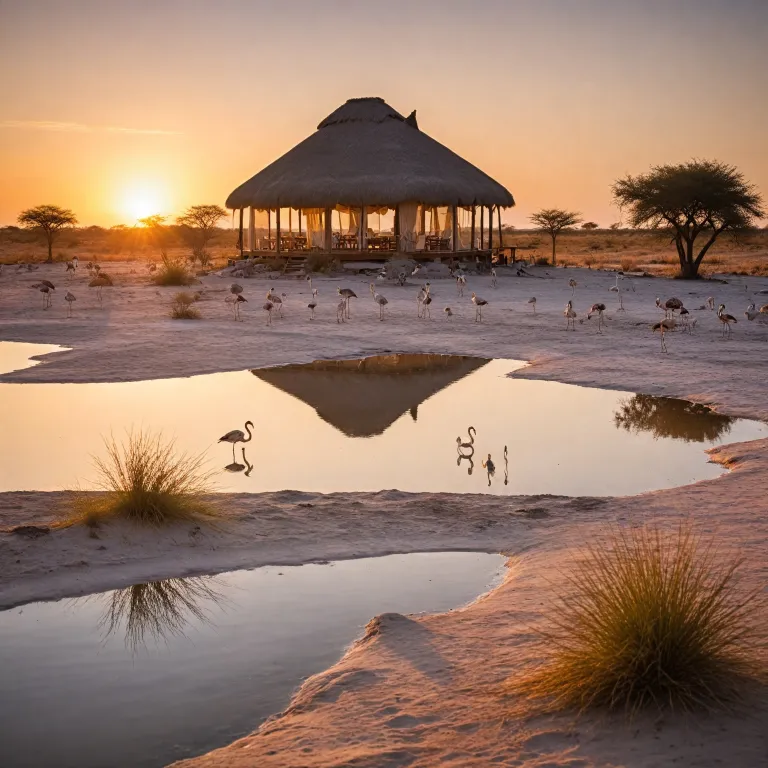
Some of the most exclusive properties, such as San Camp and Jack Camp, sit right on the edge of the salt pan. From these camps, guests can step directly onto the Makgadikgadi salt surface at sunrise, when the pan glows pink and gold. During the wet season, when water pools across the salt pans, these same viewpoints transform into reflective mirrors that double the sky.
Other luxury lodges position themselves closer to the Boteti River or within private concessions bordering the national park. These locations are ideal for guests prioritising classic game drives, zebra migration sightings, and access to nearby national parks such as Nxai Pan. If you are planning a broader itinerary through Botswana, it can be helpful to review guidance on how to book a premium hotel in Maun, including rates and exclusive offers, via specialist Maun hotel booking advice.
When comparing options, examine how each property manages its environmental footprint in this delicate desert area. Look for evidence of collaboration with the Department of Wildlife and National Parks, community partnerships, and wildlife monitoring programmes. A lodge that invests in conservation and local employment will usually deliver a richer, more responsible stay.
Seasonality, water, and planning your Makgadikgadi pans itinerary
Seasonality defines every luxury stay around the Makgadikgadi pans. During the dry months, the salt pans harden into a vast white crust, allowing quad bikes to cross the pan safely under expert guidance. In this season, the desert air is crisp, and the absence of surface water intensifies the feeling of standing on another planet.
When the wet season arrives, rain and inflows from the surrounding Kalahari transform parts of the Makgadikgadi area. Shallow water spreads across the salt pans, attracting flamingos, pelicans, and other migratory birds from across Africa. The national park and nearby parks become a mosaic of temporary lakes, grasslands, and reflective salt pan pools that feel worlds apart from the dry season.
The Boteti River is another key player in this seasonal drama. As water levels rise and fall, wildlife moves between the river, the Makgadikgadi Pans National Park, and neighbouring game reserves, creating dynamic safari opportunities. Guests often combine time here with the Okavango Delta, using Maun as a gateway and drawing inspiration from family friendly luxury models such as those described for a Cornish coastal retreat in redefining family friendly luxury.
Because conditions shift so dramatically, it is essential to read current lodge updates before finalising dates. Ask your chosen property how the wet season or dry season will affect access to the salt pans, availability of quad bikes, and likelihood of seeing the zebra migration. A well planned itinerary will align your expectations with what the earth and climate are offering at that moment.
Signature experiences: from salt pan safaris to zebra migration
Luxury travel around the Makgadikgadi pans is defined by a set of signature experiences that exist nowhere else on earth. Walking across a moonlike salt pan at dusk, with the horizon blurring into the sky, is often the emotional highlight. Many guests pair this with a stay at San Camp or Jack Camp, where canvas suites and curated interiors frame uninterrupted views of the desert.
Guided quad bikes excursions allow you to venture deep into the Makgadikgadi salt expanse. On these outings, safety briefings and environmental guidelines ensure that the fragile salt pans remain undamaged while guests enjoy the thrill of crossing the pan. When conditions permit, some itineraries include overnight sleep outs on the pan, where the Milky Way stretches unbroken from horizon to horizon.
Game drives in and around the Makgadikgadi Pans National Park reveal a different side of this landscape. In the green months, the area hosts one of Africa’s great wildlife spectacles, the zebra migration, as herds move between the national park, nearby game reserves, and the Boteti River. Predators follow this movement, giving guests the chance to witness dramatic interactions in a stark desert setting.
Many itineraries also weave in cultural encounters with San communities who have lived in the Kalahari desert for countless generations. Their tracking skills and knowledge of water sources, plants, and animal behaviour add depth to every safari. For travellers who appreciate elevated safari design, it can be helpful to read about an elevated safari experience in South Africa’s Sabi Sand via a detailed Sabi Sand safari review, then compare how Makgadikgadi’s salt pans offer a complementary, more minimalist aesthetic.
How conservation and luxury hospitality intersect in the Makgadikgadi region
Behind every premium stay near the Makgadikgadi pans lies a complex web of conservation work. The Makgadikgadi Pans National Park and Nxai Pan National Park were established to protect salt pan ecosystems, migratory corridors, and cultural sites. These national parks form part of a broader network of protected areas and community lands that together sustain wildlife across northeastern Botswana.
Local communities, the Department of Wildlife and National Parks, and international partners collaborate on wildlife monitoring and environmental impact assessments. Utilisation of satellite imagery for monitoring environmental changes helps track shifts in water distribution, vegetation, and animal movements across the salt pans. When you read a lodge’s sustainability statement, look for references to such tools and to community engagement initiatives that share tourism benefits.
Luxury operators in this area increasingly position their properties as gateways to responsible safari experiences. Many support research on climate change impacts in the Kalahari desert and along the Boteti River, recognising that altered rainfall patterns could reshape the Makgadikgadi pans over time. By choosing lodges that fund conservation and respect park regulations, guests help secure the future of this unique salt pan landscape.
Birdlife conservation is another priority, especially around Nata Bird Sanctuary and lake Makgadikgadi remnants where water occasionally gathers. Flamingos and other species rely on these salt pans and surrounding wetlands for breeding, feeding, and resting during long migrations across Africa. As you plan, consider how your stay can contribute to these efforts, whether through conservation levies, donations, or simply by following guide instructions carefully during game drives and walks.
Practical booking tips for premium stays near the Makgadikgadi pans
Booking a luxury stay around the Makgadikgadi pans requires attention to detail, especially when no single category perfectly matches every traveller’s needs. Start by clarifying whether your priority is a salt pan focused experience, a river based safari along the Boteti River, or a combination that also includes the Okavango Delta. This will determine how many nights you allocate to each area and which national parks or game reserves you include.
Next, examine how each property structures its rates and inclusions. Many high end camps near the Makgadikgadi Pans National Park and Nxai Pan National Park operate on a fully inclusive basis, covering meals, most drinks, and scheduled game drives or quad bikes excursions. When you read the fine print, check whether specialist activities such as sleep outs on the salt pans or helicopter transfers between pan national areas and the delta carry supplements.
Because access can be affected by the wet season, ask your agent or lodge about current flight and road conditions. Some salt pans become impassable when water levels rise, shifting activities toward the Kalahari fringe, the Boteti River, or nearby parks. Flexible planning, including a night in Maun before or after your stay, can help buffer against weather related changes.
Finally, consider how this leg of your journey fits into a wider Africa itinerary. Combining the Makgadikgadi pans with the Okavango Delta, Chobe, or even South African reserves allows you to experience both water based and desert safaris. By aligning your expectations with the realities of this remarkable salt pan environment, you will ensure that every moment in this otherworldly corner of Botswana feels both luxurious and deeply grounded in place.
Key statistics about the Makgadikgadi pans region
- The Makgadikgadi pans cover an area of approximately 30 000 km².
- The average elevation across the pans and surrounding Kalahari is around 960 metres above sea level.
- Annual rainfall in the wider Makgadikgadi area is roughly 635 mm, with strong variation between wet season and dry season.
Essential questions for planning a Makgadikgadi pans stay
What is the best time to visit the Makgadikgadi pans?
The best time depends on your interests: the wet season (November to March) offers lush landscapes and abundant birdlife, while the dry season (April to October) allows for exploration of the vast salt flats.
Are there accommodations near the Makgadikgadi pans?
Yes, there are various lodges and campsites ranging from luxury to budget options in and around the Makgadikgadi Pans National Park.
What wildlife can be seen in the Makgadikgadi pans?
Depending on the season, visitors can see migratory birds like flamingos and pelicans, as well as zebras, wildebeest, and predators such as lions and cheetahs.
Trustful expert sources
- NASA Earth Observatory
- Botswana Department of Wildlife and National Parks
- Nata Conservation Trust