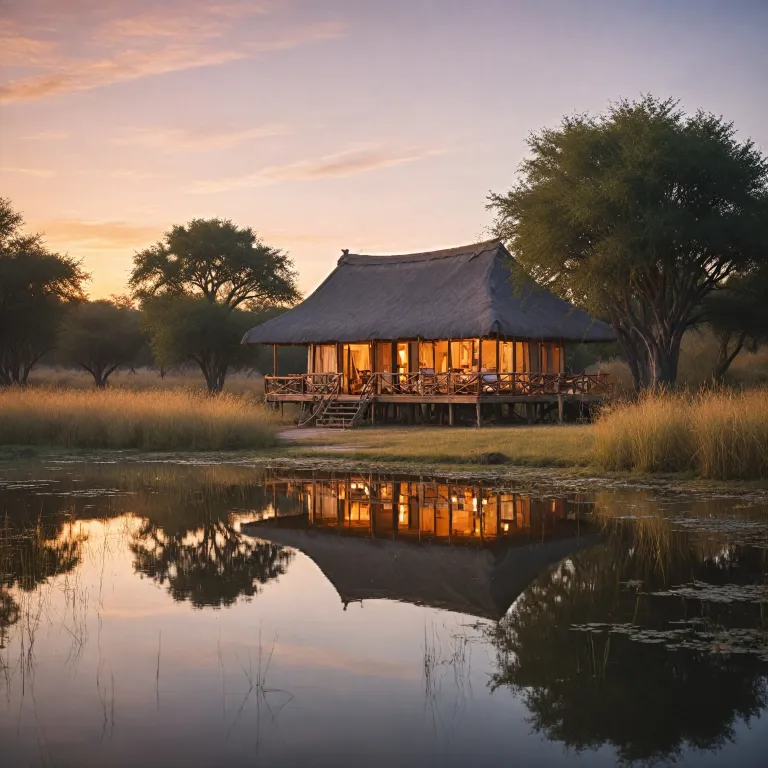
Planning a safari Botswana Okavango journey in the delta
The Okavango Delta in Botswana offers a rare combination of pristine wetlands, game rich islands, and refined lodges. For many travellers, a safari Botswana Okavango trip is a once in a lifetime experience, so every camp choice and every night matters. Understanding how water levels, wildlife movements, and access routes interact will help you select the best camps and lodges for your style of travel.
This vast inland delta receives an annual water inflow of about 11 cubic kilometres, which shapes each safari experience in subtle ways. During the dry months, when much of Botswana is parched, the Okavango Delta channels water into floodplains that attract wildlife from surrounding areas, creating exceptional game viewing. Because conditions vary year round, it is essential to match your preferred activities, such as mokoro excursions or game drives, with the right camp in the right sector of northern Botswana.
Regulation by the Botswana Government keeps visitor numbers relatively low, which preserves both wildlife encounters and a sense of privacy. Luxury camps and each island lodge typically limit the number of guests per vehicle, ensuring that every person enjoys unhurried game drives and quiet water activities. This careful management also supports conservation goals and community partnerships that underpin sustainable Botswana safari operations.
Leading operators such as Wilderness Safaris and &Beyond have refined the art of the tented safari and the permanent lodge in the Okavango. Their camps range from intimate canvas suites at an Okavango camp to ultra premium properties like Mombo, often considered among the best for game rich safaris. When planning your safari Botswana Okavango itinerary, consider combining at least three nights in a water focused camp with several nights in a land based game reserve concession.
Choosing between water camps, land camps, and mixed delta itineraries
One of the most important decisions for any safari Botswana Okavango trip is how to balance water based and land based stays. A pure water camp in the heart of the Okavango Delta emphasises mokoro excursions, boating, and serene wildlife encounters along reed lined channels. By contrast, a land focused camp in a private game reserve offers classic game drives, walking safaris, and often more intense predator sightings.
Many travellers opt for a mixed itinerary that includes both a water oriented Okavango camp and a drier concession in northern Botswana. This combination allows you to experience the full diversity of the delta, from elephant crossing deep water to lions patrolling open floodplains, all within a single safari experience. When you book, check whether your chosen camps operate activities year round or are more seasonal, because some channels become inaccessible when water levels drop.
Camp Okavango is a well known example of a property that focuses strongly on water activities, while other camps near Mombo or in the Moremi area lean towards land based game viewing. A tented safari in these regions often includes both day and night game drives, which reveal different aspects of Okavango wildlife. If you value tranquillity, ask how many persons share each vehicle and whether the lodge offers private activities at an additional usd per person.
Pricing structures can be complex, usually quoted as usd per person per night, including meals, drinks, and most activities. When comparing options, look beyond the headline rate and consider what each night actually includes, such as helicopter flights or specialist photographic guides. A well planned safari Botswana Okavango itinerary with four to six nights split between complementary camps can offer better value and a richer experience than a shorter stay in a single lodge.
Understanding pricing, value, and what usd per person per night really buys
Luxury safari Botswana Okavango rates can initially seem high, especially when quoted as usd per person per night. However, these prices usually bundle accommodation, meals, drinks, game drives, park fees, and sometimes flights between camps, which changes the value equation. When you evaluate different camps and lodges, compare inclusions carefully rather than focusing only on the nightly figure.
At many high end camps in the Okavango Delta, the usd per person per night rate reflects extremely low guest density and significant conservation costs. Each person indirectly supports anti poaching patrols, habitat management, and community projects that keep the delta’s wildlife thriving. This is particularly evident in private concessions around Mombo and other game rich areas, where operators invest heavily in research and monitoring.
Some properties offer tiered pricing for shoulder seasons, which can make a safari Botswana Okavango trip more accessible without compromising the core experience. During these periods, water levels and wildlife encounters can still be excellent, especially in well situated camps that operate effectively year round. Ask your travel specialist to explain how seasonal changes affect both the rate and the type of safari experience you can expect.
When comparing a tented safari with a more permanent island lodge, consider the style of accommodation as well as the activities. A classic canvas camp may feel closer to nature, with wildlife sounds all around at night, while a solid lodge structure can offer more amenities. In both cases, the best Botswana safari properties focus on exceptional guiding, flexible game viewing, and personalised service, which often matter more than the thread count of the linens.
Designing an itinerary that links the Okavango, Chobe, and Victoria Falls
Many travellers enhance their safari Botswana Okavango holiday by combining the delta with Chobe and Victoria Falls. This multi stop approach allows you to experience contrasting ecosystems, from the wetlands of the Okavango Delta to the elephant rich riverfront of Chobe and the dramatic gorge of the Zambezi. Carefully planned flight connections between Maun, Kasane, and Livingstone or Victoria Falls town make such itineraries surprisingly seamless.
A typical routing might begin with three or four nights at an Okavango camp focused on water activities and relaxed wildlife encounters. You could then continue to a game rich concession in northern Botswana for intensive game drives and perhaps a stay at or near Mombo, before ending with two nights near Victoria Falls. This sequence moves from quieter, more remote camps to slightly busier hubs, which many people find a comfortable progression.
When planning, consider how many nights you want in each location and whether you prefer a tented safari or a more substantial lodge. Some travellers choose an island lodge in the delta followed by a riverfront lodge near Chobe National Park, ensuring varied game viewing and scenery. Throughout, aim to minimise backtracking flights, which saves both time and cost per person.
For travellers who value wellness alongside wildlife, it can be worth exploring a dedicated guide to spa focused properties and safari lodges in Botswana, such as the insights available through luxury hotels with spa experiences in Botswana. Integrating one or two such properties into a broader safari Botswana Okavango itinerary can create a restorative balance. The key is to maintain logical routing while ensuring each camp or lodge adds a distinct dimension to your overall travel experience.
What to expect from wildlife encounters, guiding quality, and game viewing styles
The Okavango Delta is renowned for its density and diversity of wildlife, including more than 120 mammal species. In practice, this means that a well planned safari Botswana Okavango trip can deliver frequent wildlife encounters, from elephants crossing deep water to wild dogs coursing across floodplains. However, sightings are never guaranteed, and the quality of your guide and the style of game viewing play a crucial role.
Guided game drives in open 4x4 vehicles remain the backbone of most Botswana safari itineraries. In private concessions and some parts of Moremi Game Reserve, guides can follow tracks off main roads, which often leads to more intimate game viewing. Night drives, where permitted, reveal nocturnal species and add another layer to the safari experience, especially when combined with daytime water activities.
Walking safaris and mokoro excursions offer a slower, more sensory way to engage with the delta. From a mokoro, each person sits close to the water, watching kingfishers, frogs, and sometimes larger wildlife at eye level, while the poler navigates quietly through channels. On foot, guides focus on tracks, plants, and smaller details that are easily missed during vehicle based safaris.
Expert operators such as Wilderness Safaris and &Beyond emphasise rigorous guide training and low vehicle occupancy, which enhances both safety and guest experience. In their camps, it is common to have no more than six persons per vehicle, and private activities can often be arranged at additional cost per person per night. This commitment to quality guiding is one of the main reasons many travellers rate a safari Botswana Okavango among the best wildlife trips in Africa.
How online luxury booking platforms help you choose the right camp
For travellers planning a safari Botswana Okavango holiday from afar, specialised luxury booking websites have become invaluable. These platforms curate a selection of vetted camps, island lodges, and tented safari options across the Okavango Delta and wider Botswana. By presenting transparent usd per person per night rates, detailed maps, and seasonal notes, they help you compare complex offerings with confidence.
High quality sites go beyond simple listings to explain how each camp fits into the broader ecosystem and travel network. They highlight whether a property is primarily a water camp, a land based game reserve lodge, or a mixed activity Okavango camp, and whether it operates effectively year round. Many also flag signature experiences, such as helicopter flights, specialist photographic safaris, or access to particularly game rich areas near Mombo.
Another advantage is the ability to filter by priorities such as private vehicles, family friendly configurations, or ultra premium service. If you are travelling as more than one person, these tools make it easier to see how the cost per person changes with different room types and lengths of stay. Some platforms also integrate guest reviews that focus specifically on guiding quality, wildlife encounters, and overall safari experience rather than generic hotel metrics.
When using any booking website, verify that it works closely with reputable on the ground partners and adheres to Botswana Government regulations. Look for clear information about conservation contributions, community partnerships, and safety standards in remote delta environments. A trustworthy platform will encourage realistic expectations about game viewing, water levels, and logistics, ensuring that your safari Botswana Okavango trip aligns with both your dreams and the realities of this remarkable wilderness.
Key statistics that shape a safari Botswana Okavango itinerary
- Annual water inflow into the Okavango Delta averages about 11 cubic kilometres, creating the seasonal floodplains that attract wildlife from surrounding dry regions.
- The delta supports approximately 122 mammal species, contributing to exceptionally rich game viewing opportunities during both dry and wetter periods.
- Tourism contributes around 13 percent to Botswana’s gross domestic product, underlining the economic importance of sustainable safari operations and conservation focused camps.
Essential questions when planning your Okavango Delta safari
What is the best time to visit the Okavango Delta?
The best time to visit is during the dry season, from June to October, when wildlife viewing is at its peak. During these months, animals concentrate around remaining water sources, and many floodplains are accessible for game drives. However, some travellers also appreciate shoulder seasons, when rates may be lower and landscapes greener.
How many days should I spend on a safari in the Okavango Delta?
A minimum of three nights is recommended to fully experience the Delta's diverse activities and wildlife. With only one or two nights, travel time and logistics can eat into your game viewing opportunities. Many experts suggest five to seven nights split between two complementary camps for a deeper safari experience.
What types of wildlife can I expect to see in the Okavango Delta?
The Delta is home to the Big Five (lion, leopard, elephant, buffalo, and rhino), as well as numerous other species like hippos, crocodiles, and a variety of birds. Depending on the area and season, you may also encounter wild dogs, cheetahs, and large herds of red lechwe or buffalo. Birdlife is prolific, especially around water channels and seasonal pans.