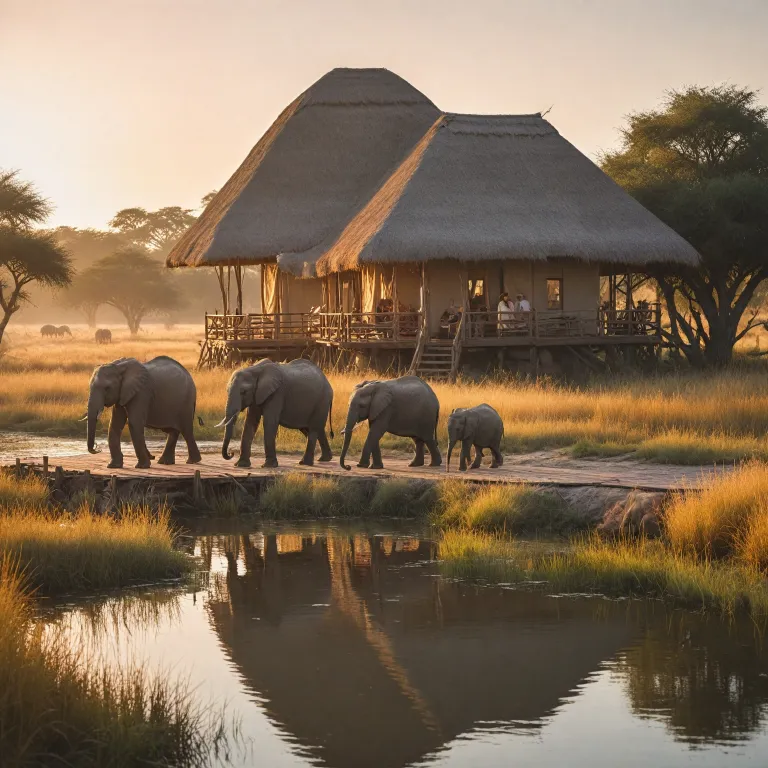
Why duba plains is often considered the best of Botswana safari camps
Duba plains sits in a private 33 000 hectare reserve within the northern Okavango Delta, where floodplains, channels, and islands create a cinematic setting for a luxury safari. This remote duba concession is managed by Great Plains Conservation, whose co founders Dereck and Beverly Joubert chose it as their home base because of its intense wildlife drama and photographic potential. For travellers comparing camps in Botswana, the combination of intimate scale, exceptional guiding, and strong conservation ethos makes Duba Plains Camp stand out as one of the best options for an immersive stay.
The camp itself offers only five guest tents plus a separate plains suite, so even when full it feels like a private retreat rather than one of the larger safari camps common elsewhere in Botswana. Each suite is designed in a classic 1920s safari style with rich textiles, vintage trunks, and modern comforts such as air conditioning discreetly integrated to preserve the sense of place. This balance of romance and practicality appeals to guests who want a good level of comfort without losing the authentic atmosphere of a remote plains camp surrounded by wildlife.
From the main deck you look out over open plains where elephants, red lechwe, and buffalo graze, while lions and other predators move through the grass at dawn and dusk. Game drives in open 4x4 vehicles focus on these floodplains and adjacent woodland, with guides skilled at reading tracks and anticipating animal behaviour for the best photographic angles. For many guests, the chance to watch lions hunt buffalo in shallow water has become synonymous with a stay at Duba Plains Camp and with the wider reputation of Great Plains safari experiences in Botswana.
Understanding the constellation of great plains camps in Botswana and beyond
Planning a Botswana safari around duba plains is easier when you understand how it fits into the wider portfolio of Great Plains Conservation camps. Within Botswana, the company operates several intimate camps in Botswana including Duba Plains Camp, Selinda Camp, and Zarafa Camp, each set in its own private reserve with distinct habitats and wildlife densities. Together these camps Botswana properties allow you to combine different ecosystems in a single journey while staying within one trusted conservation focused brand.
Selinda Camp lies in the Selinda reserve, a corridor linking the Okavango Delta to the Linyanti and Chobe systems, and it is known for large herds of elephants and excellent game viewing along the spillway. Zarafa Camp, set beside the Zibadianja Lagoon, offers just a handful of suites and is often considered one of the best options for travellers who value privacy, refined design, and strong photographic opportunities. When you add Duba Plains Camp to a circuit that includes Selinda Camp and Zarafa Camp, you create a varied yet coherent itinerary across three of the most wildlife rich concessions in northern Botswana.
Beyond Botswana, Great Plains Conservation also operates Mara Plains in Kenya, which sits in the Olare Motorogi Conservancy bordering the Maasai Mara reserve. Many guests pair a stay at Duba Plains with time at Mara Plains to experience both the Okavango Delta and the Mara ecosystem, enjoying different styles of game viewing and cultural encounters. If you are comparing options across Southern Africa, you might also look at other luxury safari properties such as the immersive experience at Kings Camp Lodge in the Timbavati reserve, which complements the Botswana safari style with a South African perspective.
Inside duba plains camp suites and the guest experience
The design of each suite at Duba Plains Camp reflects a careful balance between classic safari aesthetics and modern comfort. Canvas walls, wooden decks, and brass fittings evoke the romance of early expeditions, while features such as air conditioning, deep copper bathtubs, and high quality linens ensure a good night’s sleep after long days on safari. The separate plains suite functions almost as a private villa, ideal for couples seeking seclusion or small groups wanting a more exclusive version of the standard plains camp experience.
Every suite faces the open plains, so you can watch wildlife move across the floodplain from your bed or private plunge pool. Early mornings often bring mist over the water and the sound of lions calling, while evenings are marked by the glow of lanterns and the distant grunts of hippos returning from grazing. For guests who value privacy, the layout of the suites and the limited number of tents ensure that even shared spaces feel uncrowded, reinforcing the sense of staying in a private reserve rather than a busy lodge.
Dining at Duba Plains Camp is flexible and tailored, with meals served either in the main mess area, on the deck overlooking the plains, or as surprise bush breakfasts during game drives. The team is accustomed to accommodating dietary preferences while maintaining a high standard of presentation and flavour, which contributes to the camp’s reputation as one of the best luxury safari options in the Okavango Delta. If you are planning a broader journey through the region, you can compare this culinary and service style with other refined itineraries such as the Okavango trips for discerning travellers that highlight similarly high levels of hospitality.
Wildlife, activities, and what to expect from a duba plains safari
The core of any stay at Duba Plains Camp is the quality of its wildlife viewing and the variety of activities available in the duba concession. Game drives take place in the early morning and late afternoon, with the option of night drives to search for nocturnal species such as leopards, civets, and owls. Guides use open 4x4 vehicles that allow unobstructed views across the plains, and they are trained to position the vehicle carefully so that guests can observe behaviour without disturbing the animals.
Typical sightings include lions, leopards, elephants, buffalo, and a wide range of antelope, along with notable bird species such as Wattled Cranes and Slaty Egrets that thrive in the Okavango Delta wetlands. Seasonal boating may be offered when water levels permit, adding a different perspective on the floodplains and channels that define this part of Botswana. Guided walks, where conditions allow, provide a slower and more detailed look at tracks, plants, and smaller creatures that are easily missed during vehicle based game drives.
Many guests choose to combine a stay at Duba Plains with time at other safari camps in Botswana, such as Selinda Camp or Zarafa Camp, to experience different habitats and wildlife concentrations. For travellers who are particularly interested in water based experiences, it is worth reading about the elegant water wilderness retreat at Camp Okavango in the heart of the delta. Whether you focus solely on Duba Plains Camp or build a longer itinerary, the emphasis remains on unhurried, low impact game viewing that respects both wildlife and the expectations of guests seeking a luxury safari.
Conservation, community, and the role of great plains in the Okavango Delta
Choosing Duba Plains Camp is not only a decision about comfort and wildlife, but also about supporting a particular model of conservation tourism in Botswana. Great Plains Conservation manages the duba concession with a focus on habitat protection, low density tourism, and partnerships with local communities that share in the economic benefits of safari operations. This approach aims to ensure that the plains, wetlands, and woodlands of the Okavango Delta remain intact for future generations while providing livelihoods today.
The organisation’s work extends beyond Duba Plains to other properties such as Selinda Camp, Mara Plains, and Zarafa Camp, creating a network of reserves where wildlife corridors are maintained and anti poaching efforts are coordinated. Guests contribute to these initiatives through their nightly rates, which help fund conservation projects and community programmes linked to education and employment. In this context, staying at any of the Great Plains safari camps becomes part of a broader story about responsible travel and the long term protection of key ecosystems.
Dereck and Beverly Joubert, as co founders and long term residents of Duba Plains, have used their films and photography to raise global awareness of the challenges facing African wildlife. Their presence reinforces the camp’s identity as more than a luxury safari destination, positioning it instead as a hub for storytelling, research, and advocacy. When you choose to spend a person night at Duba Plains Camp, Selinda Camp, or Zarafa Camp, you are effectively investing in plains conservation and in a model of tourism that seeks a good balance between guest experience and ecological integrity.
Practical planning tips for booking duba plains and related camps
Because Duba Plains Camp has only five tents plus the plains suite, it is important to book well in advance, especially for peak dry season months when wildlife viewing is at its best. Rates are typically quoted per person per night and include accommodation, meals, most drinks, and scheduled safari activities within the duba concession. When comparing options, consider how many person nights you want to allocate to Duba Plains versus other camps such as Selinda Camp, Mara Plains, or Zarafa Camp to create a balanced itinerary.
Access is usually via a light aircraft flight from Maun to the Duba Plains airstrip, followed by a short game drive into camp, which effectively turns your transfer into an additional opportunity for game viewing. Luggage is restricted to soft bags with a typical limit of around 20 kilograms per person, including hand luggage, so pack light and focus on neutral coloured clothing suitable for safari. Remember that air conditioning is available in the suites, but temperatures can still vary significantly between day and night, so layering remains the best strategy for comfort.
When planning your travel, think about how Duba Plains fits into your broader journey through Botswana and possibly into neighbouring countries. Some guests choose to combine a Botswana safari focused on the Okavango Delta and Linyanti with time in South Africa or Kenya, using camps such as Mara Plains to extend the Great Plains experience. Whatever combination you choose, working with a specialist who understands the nuances of camps Botswana wide will help ensure that your route, transfers, and person night allocations align with your expectations for a refined yet adventurous luxury safari.
Key statistics about duba plains and its private reserve
- The Duba Plains private reserve covers approximately 33 000 hectares of floodplains, channels, and islands in the northern Okavango Delta.
- Duba Plains Camp accommodates guests in just five tented suites plus one separate plains suite, ensuring a very low guest density.
- The camp’s location within a private concession allows for flexible game drive times, including night drives that are not always possible in national parks.
Essential questions about duba plains for prospective guests
What wildlife can be seen at Duba Plains Camp?
Guests can observe lions, leopards, elephants, buffalo, and various bird species, including the Wattled Crane and Slaty Egret.
What activities are offered at Duba Plains Camp?
Activities include day and night game drives, guided nature walks, and seasonal boating, depending on water levels.
How do I get to Duba Plains Camp?
Access is typically via a charter flight from Maun Airport to the Duba Plains airstrip, followed by a short game drive to the camp.