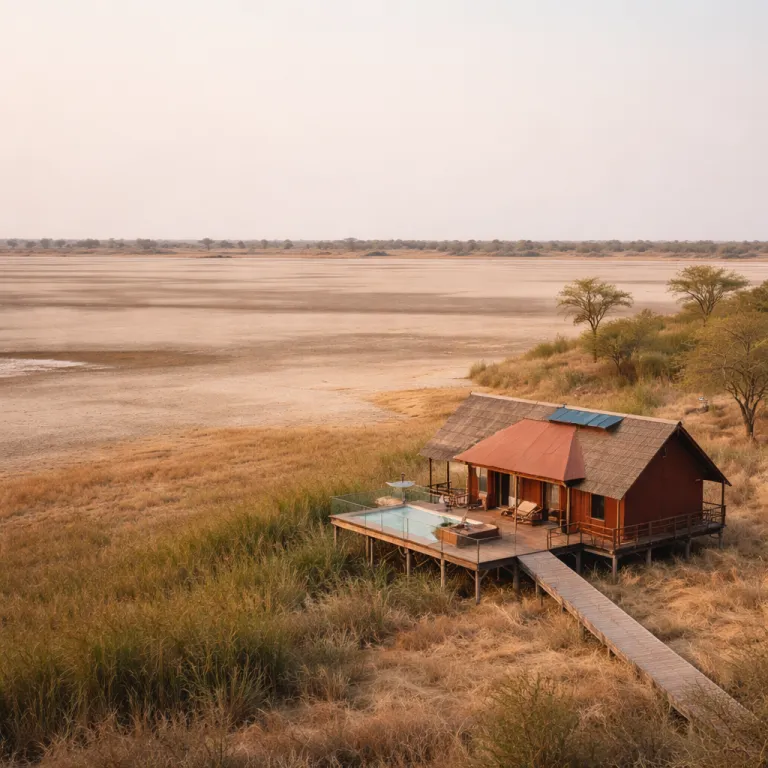
June's dry season shift and the meaning of new openings
By June, Botswana’s bush has tightened, grasses lie low and tracks read clearly. Game density along the Khwai and in the Moremi Wildlife Reserve starts to feel almost architectural, while mosquito pressure drops and families finally relax about bedtime stories in open sided tents. Water levels in the Okavango Delta usually remain high after the most recent flood cycle, so mokoro routes lengthen and wildlife viewing from the channels becomes as rewarding as any dusty road.
This is the backdrop for conversations about new Botswana safari lodges opening in June 2026, because seasonality shapes every decision about where to book and when to travel. When a new lodge chooses to open its private suites in June rather than at the first rains, it signals confidence in dry season tourism and in the long game of conservation economics. For premium families planning Africa travel, that timing means cooler nights, easier sleep for children and a better balance between boat based and vehicle based safari days.
Across Botswana, operators read the same delta hydrology and respond with different designs, from classic canvas to sculptural timber. Xigera Safari Lodge in the Moremi Wildlife Reserve, with just twelve suites and a deep focus on conservation, shows how low density can still feel generous for multi generational groups. Mombo Camp, long a leader in conservation tourism in the Okavango Delta, anchors this landscape of experience, while the latest wave of Botswana lodge news positions itself around that benchmark rather than trying to outbuild it.
Families comparing new luxury lodges in Botswana for June 2026 will notice a shared language of solar power, water recycling and community partnerships. These are not marketing flourishes; they are the operating system that allows wildlife to thrive while tourism revenue grows. The Botswana Tourism Organisation has reported steady post pandemic recovery in visitor numbers and income, but any specific figures for a fifteen percent rise in revenue or ten percent wildlife growth should be treated as indicative rather than definitive unless directly confirmed by the Botswana Tourism Board or organisations such as Conservation International.1 For parents, that translates into a safari where your children learn that healthy wildlife numbers are not an accident but the result of deliberate reserve management and lodge level choices.
Community partnerships, legacy revivals and the new premium tented language
The most interesting Botswana lodge openings in June 2026 are not about shiny new builds in untouched bush. They are about legacy properties such as Sediba Sa Rona, reported to have reopened in mid March 2024 under a refreshed conservation and community mandate, and about tented camps that choose to sit lightly on the land. This season’s cluster of openings leans into community engagement, with local partners holding equity and a visible role in guiding, storytelling and lodge management.
Hideaways’ constellation named camps — Orion, Scorpius and Crux — which welcomed guests from the first of March 2024 according to recent operator updates, show where premium tented design is heading. Each lodge is designed with a small footprint, raised walkways and carefully positioned communal spaces that frame the bush rather than dominate it, while private decks and a plunge pool or small shared pool keep families comfortable between drives. For parents, the appeal lies in suites that feel secure and self contained, yet still open enough to hear the night sounds and feel the temperature shift when the wind moves across the delta.
These openings sit within a broader Africa travel trend that favours refurbishment over raw expansion. Reviving an existing heart lodge, rather than carving a new road into untrammelled terrain, reduces impact and keeps conservation corridors intact for wildlife movement. In practice, that means better wildlife viewing over time, as animals continue to use familiar routes through the reserve instead of skirting around new fences, staff villages or poorly placed communal spaces.
For families comparing Botswana with South Africa, Zambia or even the Victoria Falls region, this emphasis on conservation led design is a key differentiator. Botswana’s tourism model keeps bed numbers low and rates high, which can feel daunting when you first open the rate sheet for a private safari. Yet when you realise that your children will share sightings with perhaps two other vehicles, not twenty, and that the lodge is drawing power from solar rather than diesel, the value proposition shifts from price per night to long term impact.
Delta front runners, Singita’s arrival and how to pace a family trip
In the Okavango Delta, the story of Botswana’s new lodges in 2026 intersects with some serious heavyweight names. Singita has announced plans for Singita Elela in the delta, expected to open in late 2026 based on current public statements, bringing one of Africa’s most respected conservation brands into an already sophisticated concession ecosystem.2 Its arrival matters less for the plunge pools and more for how its conservation funding model may influence neighbouring operators and community trusts.
Existing leaders such as Mombo Camp and Xigera Safari Lodge have long set the bar for low impact, high yield tourism in Botswana. Saguni Safari Lodge, with its mix of forest and river tents, and Mogotlho Safari Lodge, known for game drives, bush walks and cultural experiences, offer a slightly more relaxed price point while still operating inside strong conservation frameworks. When you read Botswana lodge news for June 2026, you are really reading about how these players calibrate their private concessions, vehicle densities and guiding teams to keep wildlife viewing intense but never crowded.
For multi generational families, pacing is everything. A practical pattern is simple: book June for the family safari, then hold September or October for a couples return when game density peaks and temperatures rise. June gives you cooler days, fewer insects and enough water in the delta channels for children to experience both boat based and vehicle based safari without long, dusty transfers that test patience.
Age policies vary sharply between properties, so ask direct questions before you confirm any lodge. Some delta camps accept children from six, others from twelve, and a few reserve their suites for adults only during peak months, even if they technically open to families in shoulder season. As a working example, you might pair a lodge that welcomes children from six with a second camp that only accepts guests over twelve, using the first as your heart lodge for shared activities and the second as a quieter finale for older siblings or grandparents. If you are weighing Botswana against a classic Kenya circuit, this is where a resource such as an elegant guide to Little Governors’ Camp for discerning safari travellers can help you understand how different regions handle family friendly policies and what to expect from guiding, communal spaces and mealtime flexibility.
Practical booking intelligence for premium families in June
Planning around new Botswana lodges in June 2026 means accepting that availability is the new currency. The best located suites in small camps are often held back for repeat guests or specialist Africa travel partners, so families should be ready to confirm nine to twelve months out. As one industry summary from a leading Africa safari operator puts it plainly, “Book early due to high demand.” A simple timeline for a three generation trip might be: shortlist regions and budget twelve months out, place provisional holds and review age policies ten months out, then confirm deposits and international flights by the nine month mark.
June weather in Botswana is generally cool and dry, but it is not uniform across the country. In the south, nights can feel almost alpine, while the northern delta and Chobe riverfront stay milder, especially near permanent water. You will want layered clothing for early morning game drives, something warm for evenings in the bush around the firepit and lighter pieces for midday by the pool when the sun still bites.
Health and etiquette matter as much as packing lists. Families should prepare for varying weather conditions and respect local customs and wildlife, because this is not a theme park but a living reserve where conservation and community priorities come first. When you brief your children about staying close to guides in communal spaces, keeping voices low during wildlife viewing and treating staff with the same courtesy they receive at home, you are reinforcing the values that keep this model of tourism viable.
Finally, think about how Botswana fits into a wider regional itinerary that might include Zambia or South Africa, or even a few days near Victoria Falls at the end. Botswana works beautifully as the wildlife heart lodge of a longer Africa journey, with city breaks in Johannesburg or Cape Town providing contrast and easier flight connections. Whether you choose a classic tented lodge in the Okavango Delta or a more contemporary property closer to the south, the constant should be a clear line of sight between your travel spend and the conservation outcomes it supports.
FAQ
What new luxury lodges are opening in Botswana in 2026 ?
Among the most anticipated openings, Singita Elela is planned for late 2026 in the Okavango Delta, bringing a major conservation brand into the region based on current Singita announcements.2 Around June, the focus is on refreshed or recently opened properties such as Sediba Sa Rona and the Hideaways constellation camps, which are already welcoming guests. These lodges join established names like Mombo Camp, Xigera Safari Lodge, Saguni Safari Lodge and Mogotlho Safari Lodge in offering high end safari experiences.
How do these lodges contribute to wildlife conservation ?
The new and revived lodges in Botswana typically implement sustainable practices and support local communities. Many use solar energy, water recycling systems and local materials, reducing their footprint while funding anti poaching, habitat restoration and community projects. Industry experts often summarise it simply: they implement sustainable practices and support local communities, turning each stay into a small but meaningful contribution to long term conservation and responsible tourism.
Is June a good month for a family safari in Botswana ?
June is one of the strongest months for families, because dry season game density is rising while temperatures remain moderate. Mosquito pressure is lower than in the rains, and water levels in the Okavango Delta are still high enough for mokoro and boat excursions. Parents should still check age limits carefully, as some lodges only accept younger children in family suites or with private vehicles, while others set a firm minimum age of eight, ten or twelve for activities such as bush walks.
What activities can we expect at luxury lodges in Botswana ?
Most high end lodges offer a mix of game drives, bush walks, cultural experiences and, in water rich areas, boat or mokoro safaris. Properties such as Mogotlho Safari Lodge emphasise both wildlife viewing and community interaction, while delta focused camps lean into water based activities. Night drives, photographic hides and star gazing are common extras, especially in private concessions where vehicle numbers are tightly controlled.
How far in advance should I book a June safari in Botswana ?
For peak June dates at small luxury lodges, plan to book nine to twelve months ahead. This is especially true if you need two or three suites for a multi generational group or want guaranteed access to a private vehicle. Last minute space does appear occasionally, but it is rarely in the most sought after locations or room categories, so early planning remains the safest route for premium family travel.